Anthropic establishes a biological experimentation laboratory to develop AI-driven drugs
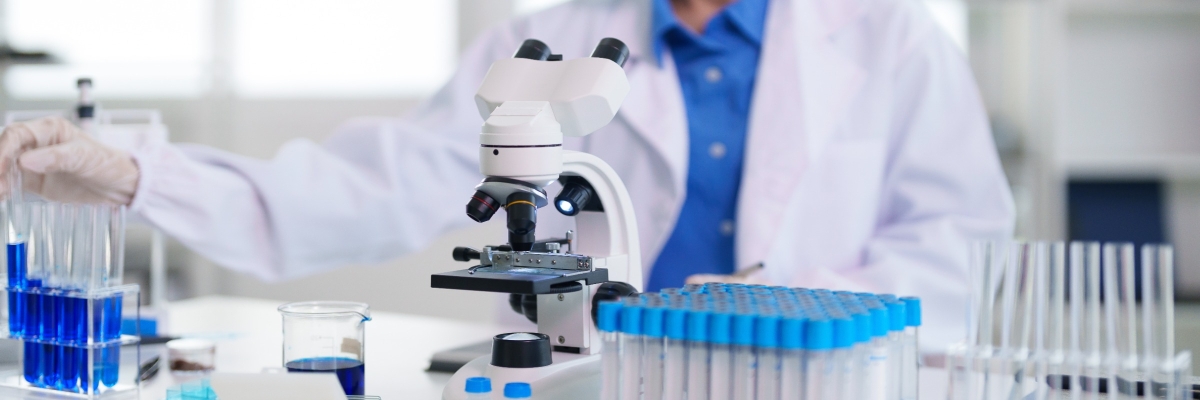
Two informed sources said that amid growing public concerns about artificial intelligence, the startup had established a wet-lab research facility in the San Francisco Bay Area. Anthropic had previously announced that it was seeking to develop treatments for rare diseases and that its biological research had moved beyond computational evaluations, known as in silico studies.
In an interview with Reuters last Tuesday, Eric Cauderer-Abrams, head of life sciences at Anthropic, confirmed the existence of the company’s biological laboratory.
He said, “We believe that in the field of biology, the critical test remains, and will remain for some time, practical laboratory experiments... We are already doing this today, and I think our approach is not different from what is standard in most biotech companies, with some of this work carried out in our own facilities and other parts conducted in collaboration with external partners.”
A company spokesperson later clarified that Anthropic’s laboratory is not specifically dedicated to drug discovery, but declined to provide further details.
One of the sources said this move represents a limited step toward Anthropic’s broader ambition to address diseases it believes the pharmaceutical industry has not adequately prioritized, and to achieve progress before employees and the public lose faith that artificial intelligence justifies potential job losses and risks that could threaten human lives.
For the company’s CEO, Dario Amodei, this effort is deeply personal. In a recent article, he noted that his father died from a disease just a few years before a treatment for it was discovered.
Cauderer-Abrams reiterated this message, saying, “The company’s mission is to develop advanced artificial intelligence technologies in a way that benefits the world. We see the greatest opportunity to do so, by a wide margin, in the life sciences, which drives everything we do.”
