Pakistan Launches Austerity Campaign to Cut Fuel Consumption and Government Spending
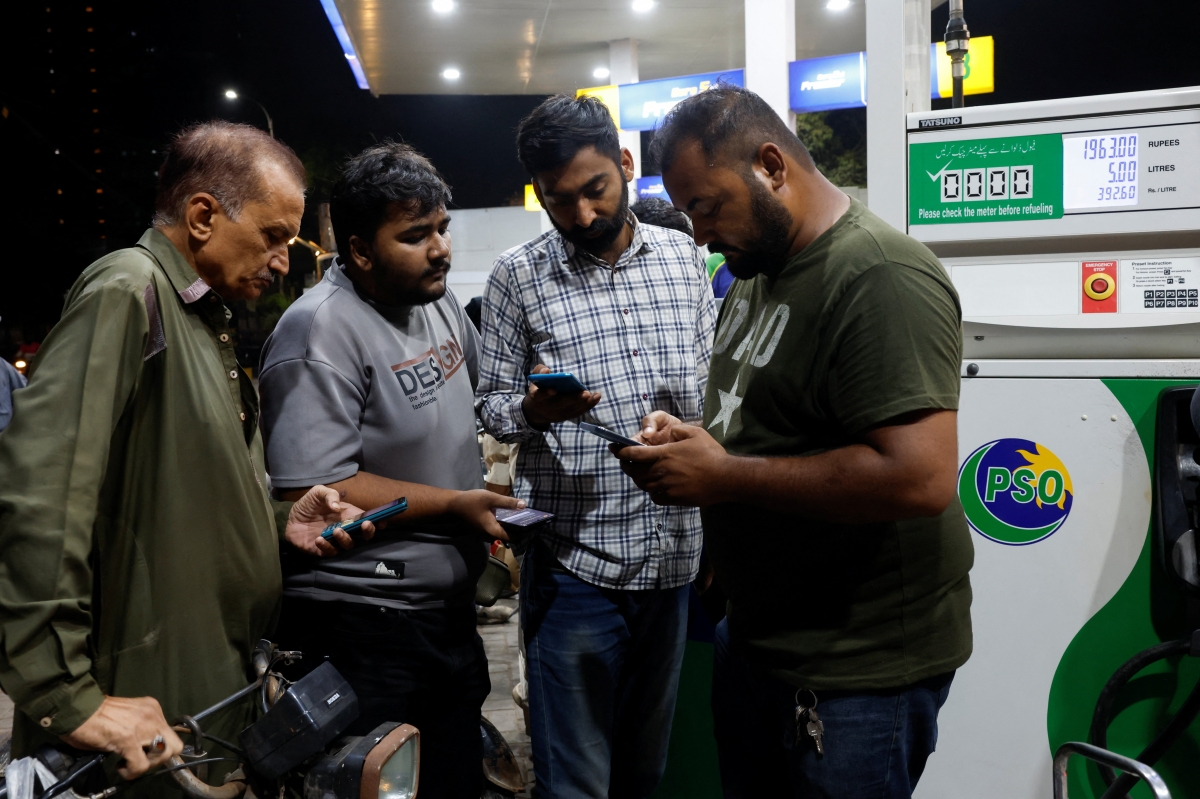
Pakistan’s Prime Minister Shehbaz Sharif announced on Thursday the launch of a national austerity campaign aimed at curbing fuel consumption, amid a sharp global rise in oil prices driven by developments in the Middle East.
During a meeting in Islamabad to discuss austerity measures and energy conservation, Sharif approved a 50 percent reduction in fuel allocations for government vehicles for three months. Ambulances, fire trucks, law enforcement vehicles, and essential service vehicles were exempted, while administrative and non-operational vehicles were not.
The measures also include a ban on government purchases of vehicles and long-lasting goods, with the exception of information technology acquisitions, a shift to remote meetings, and time restrictions on operating hours for shops, markets, shopping malls, restaurants, cafes, food outlets, and other public commercial centers. Additionally, official foreign travel and formal dinner events for officials have been restricted.
These measures mark the second round of austerity actions this year. In March, the government implemented similar steps, including a two-week school closure, reduced fuel consumption in government institutions, and encouragement for employees to work from home, all aimed at conserving energy and reducing public spending.
Pakistan faces risks of gas and electricity shortages due to disruptions in liquefied natural gas supplies and rising prices of gasoline and diesel. Sharif stated that the surge in international oil prices has triggered a wave of global inflation, emphasizing the need to cut “unnecessary” government expenditures and ensure the prudent use of national resources.
