Al-Hasawi: Kuwaiti literature possesses a rich identity
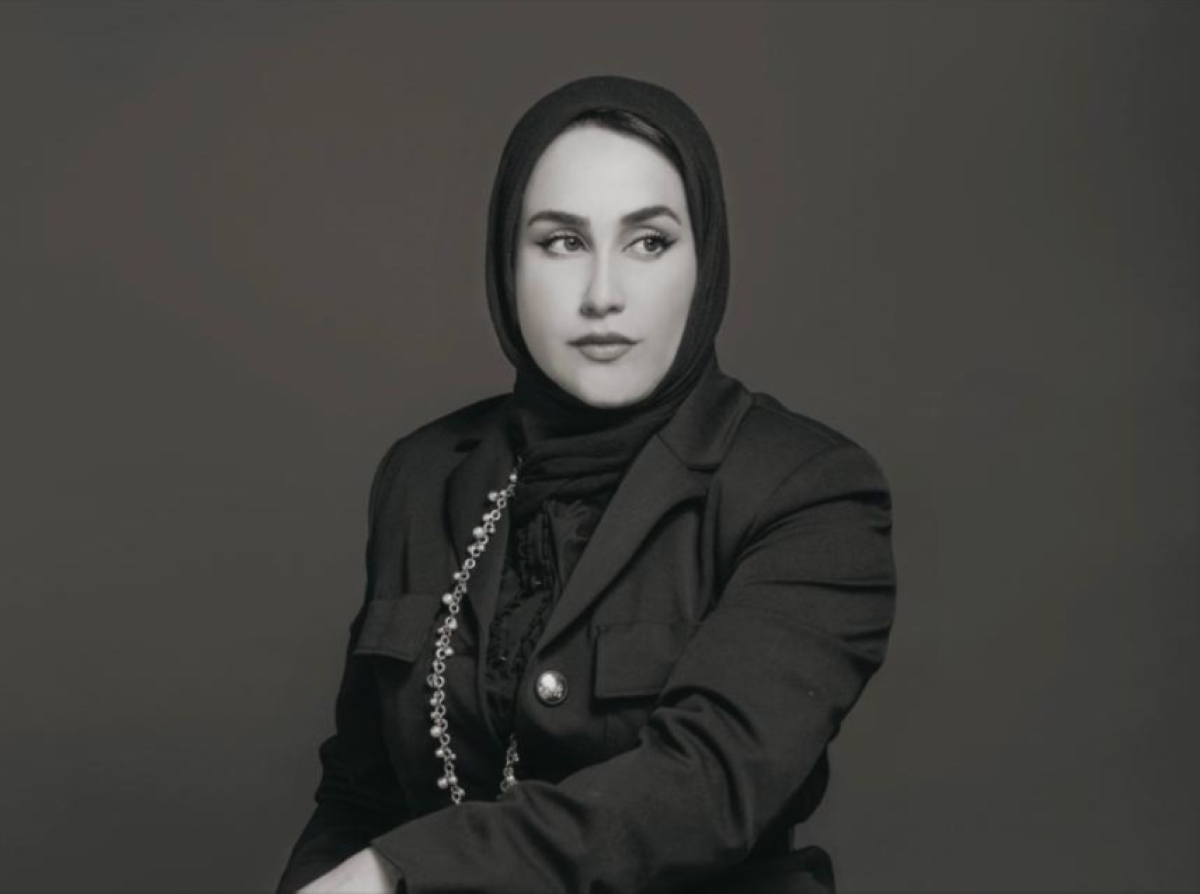
The National Council for Culture, Arts and Letters has recently published, as part of its special non-periodical publications, the story “Flower of the Desert” by author Taseen Fahad Al-Hassawi. This is her first publication, released within the “Tales of the Nation” series.
Regarding her debut work, Al-Hassawi stated that the story centers on the “Al-Arfaj” plant, portraying it as one of the symbols of Kuwait’s desert environment. It is presented not merely as a plant, but as a symbol of resilience, patience, and generosity. Through this narrative, “we bring children closer to their environment and heritage, instilling in them the understanding that holding fast to one’s roots grants strength and stability, and that love for the homeland begins with knowing it and taking pride in its details.”
She added: “The idea stemmed from my desire to present national identity to children in a different way, through a story they can feel and enjoy, rather than through direct information. I found in the Al-Arfaj a richly symbolic Kuwaitian icon; it belongs to our land, withstands the harshness of the desert, and renews itself despite adverse conditions. From this, the idea emerged to transform this environmental symbol into a story carrying human and national values that children can understand and engage with.”
On what distinguishes Kuwaiti literature from Gulf and Arab literature, she said: “Every Arabic literature has its own distinctiveness, rooted in its environment and memory. Kuwaiti literature possesses a rich identity shaped by the sea, the desert, folk heritage, and the transformations society has undergone. What distinguishes it is not its separation from Gulf and Arab literature, but its unique voice within this landscape. The more sincerely a writer expresses their environment and identity, the better they can offer a story that is local in its details yet universal in its meaning.”
Regarding her writing process, and whether she allows the first draft to flow freely before returning to structure and revision, or whether the story takes precise shape from the outset, she explained: “Usually, my story begins with a clear idea and message, but I allow the first draft a degree of freedom so that characters and events can develop naturally. This is followed by the stage of structuring and revision, which is fundamental for me, especially in writing for children, because simplicity requires precision. Every word must serve the story and reach the child smoothly, without losing its depth or turning into direct preaching.”
