Oil stabilizes as US inventories rise despite supply concerns
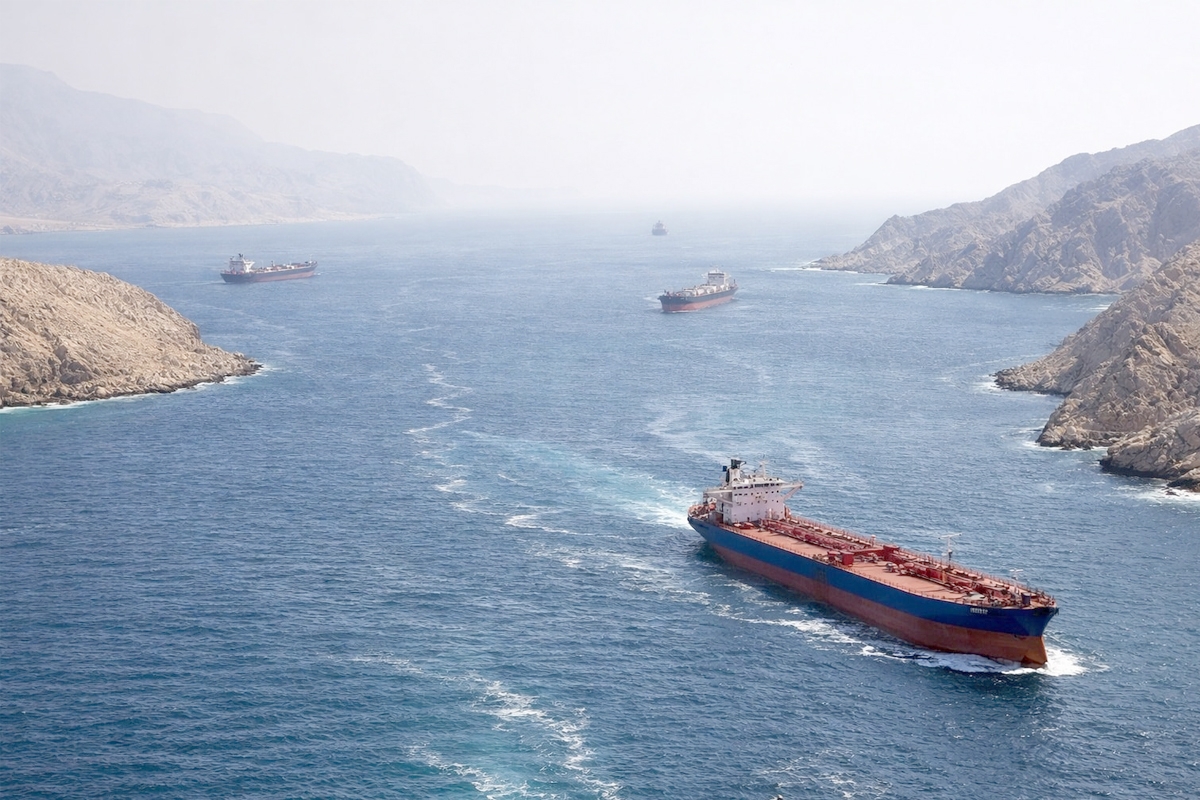
Oil prices fell today following an unexpected rise in U.S. crude stockpiles, as investors assessed supply risks after Saudi Arabia halted oil loading operations at the port of Yanbu following an attack on its East-West Pipeline, which leads to the Red Sea.
Brent crude futures dropped 93 cents, or 0.86 percent, to $107.82 a barrel, while U.S. West Texas Intermediate (WTI) crude futures fell 97 cents, or 0.92 percent, to $104.86 a barrel. Meanwhile, the price of a barrel of Kuwaiti crude rose by 93 cents to reach $124.34 in yesterday’s trading, compared to $123.41 in Monday’s trading, according to the Kuwait Petroleum Corporation.
Futures for the two benchmark crudes closed higher by more than $3 yesterday, marking their highest levels since May 19, as the suspension of loading at Yanbu fueled supply concerns, while Saudi Arabia reduced oil shipments to Europe.
Market sources cited data from the American Petroleum Institute yesterday, stating that U.S. crude oil, gasoline, and petroleum product inventories rose last week.
Sources said crude oil inventories increased by 7.1 million barrels in the week ending September 11, contrasting with analyst expectations from a Reuters poll that predicted a decline of approximately 1.6 million barrels.
Sources today clarified that Saudi Arabia halted oil loading at the port of Yanbu after closing its East-West pipeline, the world’s largest crude oil exporter, following an attack by Houthi rebels in Yemen, who are allied with Iran, last Friday.
Saudi Arabia had been using the pipeline to divert approximately four million barrels per day, or about four percent of global supplies, to the Red Sea port.
Insiders reported that the Kingdom is increasing crude oil shipments to Asian refineries via ship-to-ship transfers off the port of Sohar in the Sultanate of Oman, after drone attacks damaged the main pipeline leading to the Red Sea.
The sources noted that state oil company Saudi Aramco offered its flagship Arab Light crude, along with Arab Medium and Arab Heavy crudes, to regular buyers in Asia for shipment from Sohar, which is located outside the Strait of Hormuz.
These offers indicate that Aramco is working to move more crude oil out of the Gulf for subsequent transport away from the strait. Aramco has made at least two such offers in recent weeks for Arab Medium and Arab Heavy crudes to Asian buyers. Aramco declined to comment.
Data from satellite tracking firm Energy Aspects showed that Saudi Arabia doubled its daily crude loading volumes at the Ras Tanura and Jubail terminals in the Gulf last week, reaching the capacity of nearly two large crude carriers, or four million barrels.
Separate ship-tracking data from Kpler indicated that four large tankers, capable of carrying a total of eight million barrels, were loading at Ras Tanura today.
The increase in Aramco’s loading operations and the volume of offers come as other Gulf producers are offering more crude for loading outside Hormuz after securing vessels to transport supplies through the waterway, often by turning off their tracking transponders.
Saudi Arabia, the world’s largest oil exporter, has relied on its East-West pipeline to transport crude oil to the port of Yanbu on the Red Sea for export, since the war with Iran severely restricted shipping through the Strait of Hormuz.
The kingdom shut down the pipeline last Friday after it was damaged in drone attacks, pushing global oil benchmarks to their highest levels in several months this week.
At least one Asian buyer, whose shipments were scheduled for loading this month, said he received a notice from Aramco stating that shipments from Yanbu would be delayed and rescheduled. The notice did not specify the duration of the delay.
Trading and shipping sources said Saudi Arabia informed its European customers that some crude oil shipments scheduled for loading in September would be canceled, while loading operations at Yanbu would be suspended.
U.S. Energy Secretary [Name Omitted in Source] said the flow of crude oil through the vital pipeline linking eastern and western Saudi Arabia was expected to resume within days.
However, sources speaking to Reuters provided varying estimates regarding how long the pipeline might remain out of service.
One source said repairs could take five to six weeks, while another noted that the pipeline could resume partial pumping sooner as repair work continues.
In Libya, the National Oil Corporation (NOC) said operations at three oil fields were suspended after protesters from the oil facilities guard closed a valve on the Hamada-Zawiya crude oil export pipeline.
However, NOC Board Chairman Masoud Suleiman told Reuters that Libya’s oil production had not been significantly affected by the closures, remaining at around 1.4 million barrels per day.
Preliminary shipping data showed that the number of vessels transiting the Strait of Hormuz remained below ten, dropping to four yesterday from seven the previous day, well below the 10-day average of 18 vessels.
The decline in traffic through the strait, which handled a fifth of the world’s oil and liquefied natural gas (LNG) supplies before the Iran war, follows an escalation of attacks in the region.
None of these vessels were ultra-large crude carriers (ULCCs) or LNG carriers.
Some ships may have sailed through the waterway with their identity and position-transmitting devices turned off, and thus were not included in this count.
A very large gas carrier named “Saliout,” loaded with approximately 470,000 barrels of liquefied petroleum gas (LPG), departed via the Iranian route, while a Panamax tanker named “Nautilus,” carrying around 510,000 barrels of naphtha, left via an unmonitored and untracked route.
Meanwhile, the number of ships transiting the Bab el-Mandeb Strait stood at 22, showing little change from the previous day’s figure of 24 vessels.
