New Negotiation Proposal Confuses Iran, Qatar-China Coordination to Neutralize 'Hormuz'
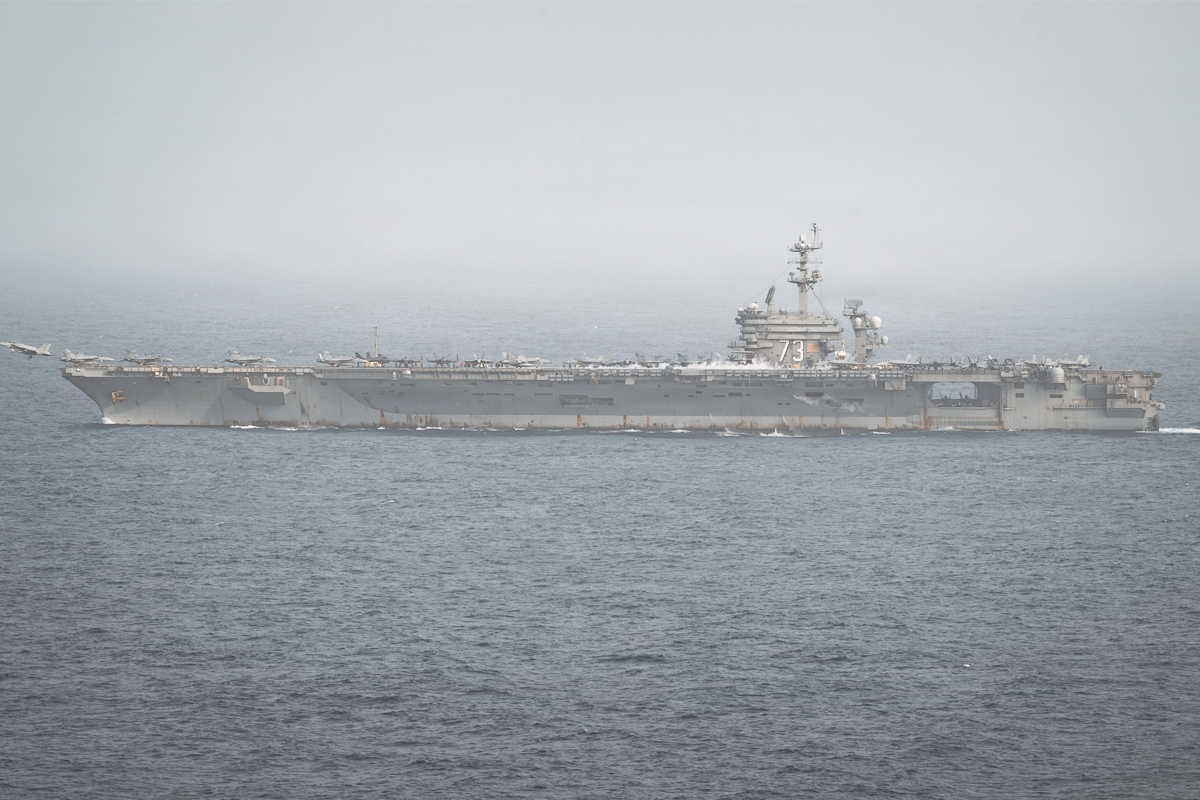
Doha and Beijing seek to facilitate US-Iranian negotiations on the Strait of Hormuz, as Iranian threats escalate and Washington imposes new sanctions.
Translated by Alqyas from Al-Jarida — Original source
Diplomatic efforts to de-escalate tensions in the region have come to the forefront, following the visit of Qatari Prime Minister and Foreign Minister Mohammed bin Abdulrahman Al Thani to Beijing, where President Xi Jinping is preparing to hold a summit with US President Donald Trump later this month.
Yesterday, Majid Al-Ansari, spokesperson for the Qatari Ministry of Foreign Affairs, confirmed that Doha is working with its partners in the region and around the world, including China, to resume talks between the United States and Iran. Following his meeting with Al Thani, Chinese Foreign Minister Wang Yi stressed that “exerting pressure through weapons and cannons is not the solution; rather, dialogue and negotiation are the correct path.”
In a briefing after the ministers’ meeting in Beijing, the Chinese Foreign Ministry noted that Wang Yi emphasized that the tense situation in the Gulf region severely undermines the security of countries in the area and “continues to affect the stability of energy markets, navigation, and supply chains.” It added that Beijing appreciates the significant efforts Qatar is making in mediating regional issues and pursuing peace, and that it is ready to continue communication and coordination with Doha on international and regional affairs.
Xinhua News Agency quoted the Chinese minister as telling his Qatari counterpart that “China strongly supports Qatar in safeguarding its national sovereignty, independence, security, and stability,” adding that “Beijing is the most reliable long-term partner in Qatar’s development process and is ready to maintain communication and cooperation with it on international and regional matters.”
Al-Hashemi pointed out that Doha, which is assisting Pakistan in mediating between Tehran and Washington, is putting forward practical ideas to address the concerns of all parties and resolve the crisis through peaceful means.
The day before yesterday, Al-Jarida newspaper reported that Iranian diplomatic sources indicated a new proposal to bring Washington and Tehran back to the negotiating table. The proposal centers on guaranteeing that navigation in the Strait of Hormuz will not be obstructed, in exchange for suspending the US naval blockade on Iranian ports and lifting some sanctions temporarily, with the possibility of extension. This would allow both sides to return to a path of diplomatic understanding. The report added that this proposal faces Iranian rejection to provide any guarantees regarding the “Strait of Hormuz” unless Tehran receives assurances of a halt to the war, including a reduction in the US military presence around Iran and acceptance of a return to the Islamabad memorandum.
In the same context, a source in Iran’s Supreme National Security Council told Al-Jarida that the Council held an extraordinary meeting yesterday to discuss de-escalation efforts, including the proposal revealed by the newspaper. The source added that Iranian experts are expected to visit Doha in the coming days to conduct further discussions, alongside preparations for a visit by Mohammad Bagher Qalibaf, the head of parliament and chief negotiator in charge of China relations, to Beijing for consultations.
The source noted that the meeting revealed a divide between supporters of returning to negotiations, including President Masoud Pezeshkian and Foreign Minister Abbas Araghchi, and representatives of the Islamic Revolutionary Guard Corps and appointees of the Supreme Leader in the Council, Saeed Jaleli and Mohsen Rezaee. The latter group believes that Iran’s commitment not to obstruct navigation in the “Strait of Hormuz” means relinquishing its strongest card, and they prefer to test US President Donald Trump’s resolve to confront and respond to any escalation with greater escalation to extract concessions from Washington.
According to the source, Pezeshkian briefed attendees on the pressures being exerted on Iran to agree to negotiations, open the “Strait of Hormuz,” and stop attacks on neighboring countries, noting that Beijing’s stance has recently shifted and is now closer to pressuring Tehran to neutralize the strategic card of the strait and halt attacks on Gulf states.
Meanwhile, the US President emphasized in a post on his “Truth Social” platform that oil prices would plummet. Trump wrote on social media, “Oil prices will plummet, like everything else, but at a faster rate! When we win the war with Iran.” This coincided with CNN reporting, citing six sources, that undisclosed discussions are underway within the US military and security establishment to explore options for reducing the number of troops and facilities Washington maintains in the Middle East. The network noted that the move could signal a new shift in US policy toward the region after more than two decades of continuous military interventions.
On the other side, acting Iranian Defense Minister Major General Majid Al-Radza affirmed Tehran’s ability to target US warships participating in the blockade imposed on his country. Meanwhile, Secretary of the Supreme National Security Council Mohsen Rezaei claimed that Tehran had fundamentally reassessed its operational stance against US ships and military bases, stating it would respond to the economic war by imposing a maritime exclusion zone throughout the Gulf and up to the blockade’s limits, reiterating previous threats to this effect.
Separately, Iranian Foreign Ministry spokesperson Ismail Baghaei stated that the announcement by Canadian Foreign and Finance Ministers supporting the US “economic pariah” campaign against his country amounted to complicity in violating international law. Britain also issued legislation imposing stricter sanctions on the Islamic Republic, increasing trade restrictions and expanding authorities to target ships, as part of broader efforts described as aimed at curbing Tehran’s nuclear program and limiting its other hostile activities.
Washington imposed sanctions on 36 targets linked to Iran’s aviation sector, including 27 companies, as part of a campaign it said aimed at tightening Tehran’s financial isolation and cutting off its access to aircraft and sensitive technologies.
