Al-Badawi: Agriculture and Food Security System a Strategic Priority and Cornerstone of Joint Gulf Work
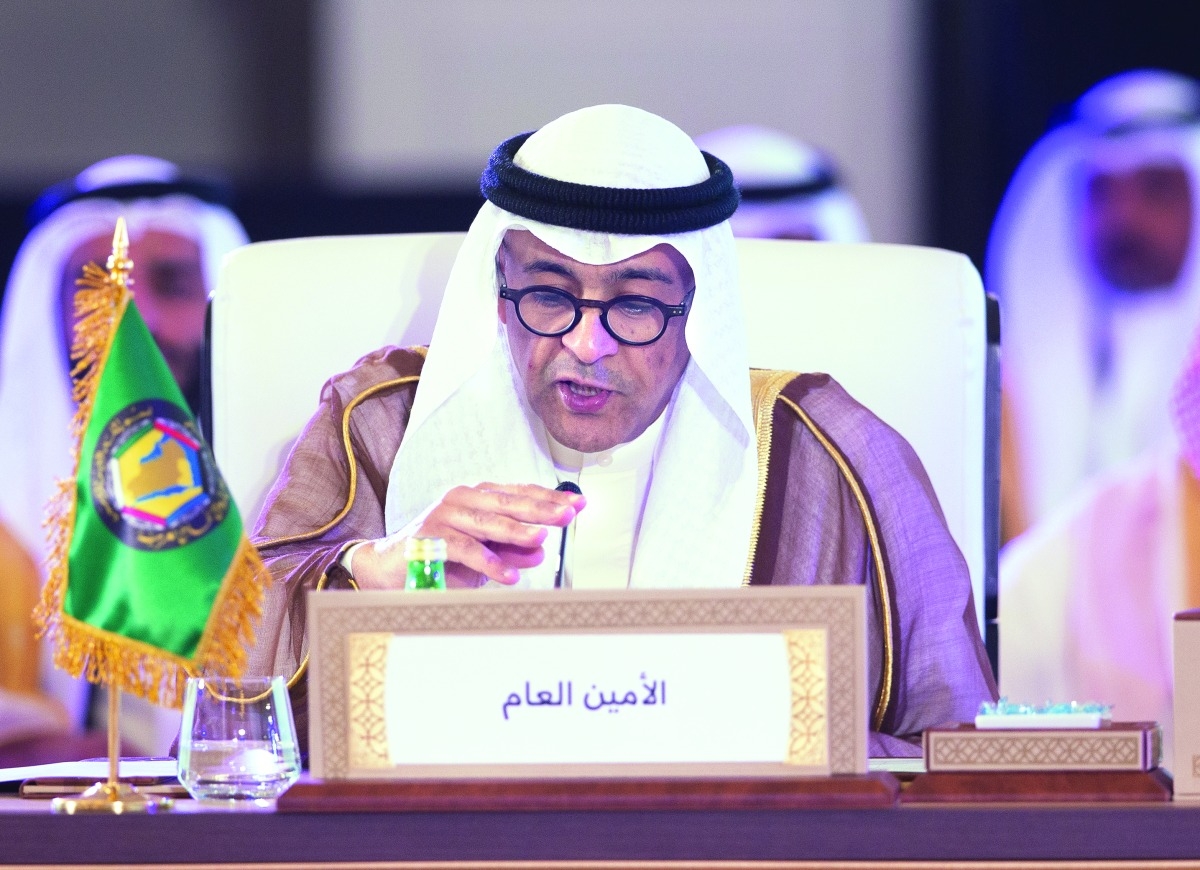
Al-Badawi affirmed that the agriculture and food security system is a strategic priority, commending the efforts of GCC countries in enhancing sustainability and local production.
Translated by Alqyas from Al-Jarida — Original source
The Secretary-General of the Gulf Cooperation Council (GCC), Jassem Al-Bedaiwi, affirmed on Thursday that the agricultural and food security system in Gulf countries constitutes a strategic priority and a fundamental pillar in the course of joint Gulf cooperation.
This statement came in a speech delivered by Al-Bedaiwi during the 38th meeting of the GCC Committee for Agricultural Cooperation and Food Security, held under the chairmanship of Bahrain’s Minister of Municipalities Affairs and Agriculture, Engineer Wael Al-Mubarak, and attended by the ministers responsible for agriculture and food security in the GCC member states, including Kuwait’s Minister of State for Development and Sustainability, Dr. Reem Al-Faleh.
Al-Bedaiwi stated that this emphasis stems from the GCC countries’ interest in developing agricultural and food production, enhancing the sustainability and efficiency of natural resource utilization, boosting their capacity to meet food needs, and strengthening their readiness to confront all changes and challenges.
Al-Bedaiwi extended his highest expressions of gratitude, appreciation, and thanks to the King of Bahrain, King Hamad bin Isa Al Khalifa, Chairman of the current session of the Supreme Council, for hosting the meeting in Bahrain, and for the facilitations and support provided and continued by the Kingdom to ensure the success of GCC cooperation activities, as well as for the support and attention accorded to joint Gulf efforts by the Bahraini King and the leaders of the GCC member states across all fields.
He clarified that the focus on developing agricultural and food production was reflected in the outcomes of the 19th Consultative Meeting of the Supreme Council held in Jeddah on April 28, 2026, and the directives issued therein to enhance the GCC countries’ readiness and capacity to confront crises and challenges, including the study of establishing strategic Gulf storage zones.
In the same context, Al-Bedaiwi pointed to the distinctive initiatives and programs underway in the GCC countries in the fields of agriculture and food security, which demonstrate their firm commitment to strengthening food security and building a sustainable Gulf food system capable of facing challenges and changes. He noted that the United Arab Emirates has enhanced the use of innovation and agricultural technologies to develop specific crops that support local production sustainability, in collaboration with the International Center for Biosaline Agriculture (ICBA). Meanwhile, the Kingdom of Bahrain continues its efforts to develop the agricultural sector, support local production, and advance agricultural projects.
He highlighted Saudi Arabia’s work to strengthen its strategic food reserves, develop an early warning system, support sustainable agricultural production, and reduce food loss and waste. He also noted that the Sultanate of Oman continues to implement programs and projects aimed at increasing local production, developing value chains, and enhancing private sector participation.
Furthermore, he stated that Qatar is moving forward with the implementation of its National Food Security Strategy 2030, while Kuwait is working to support agricultural production and strengthen its strategic food reserves. He emphasized that these efforts constitute a key contributor to achieving the targets of the Gulf Food Security Strategy and enhancing the GCC countries’ capacity to build a more integrated, resilient, and sustainable Gulf food system.
