European move to impose a tax on exceptional profits of oil giants
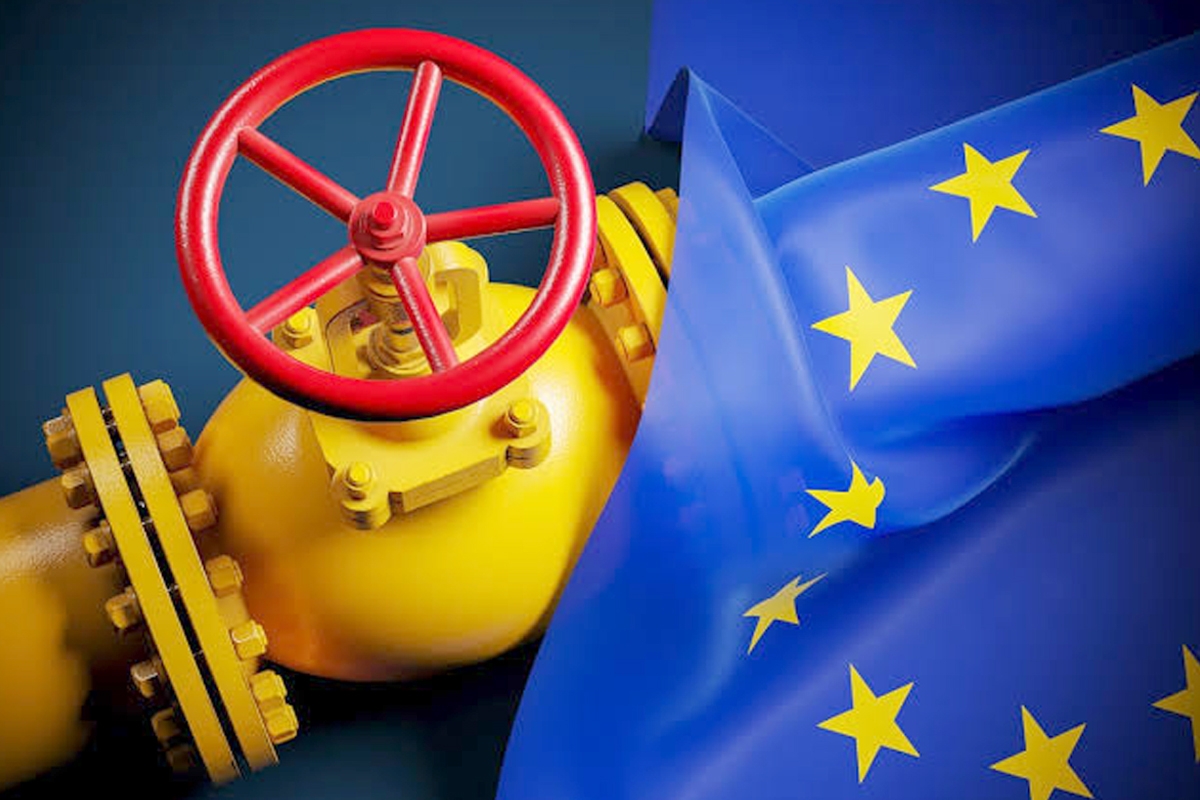
Six European Union countries have called for a discussion on imposing a tax on the windfall profits of oil companies resulting from the fallout of Iran’s closure of the Strait of Hormuz, according to a document seen by Reuters.
Germany, Spain, Portugal, Italy, Poland, and Austria have asked Ireland to include the issue on the agenda of the European Union finance ministers’ meeting in Dublin on September 18 and 19.
The finance ministers of the six countries stated that Europe is facing one of the largest supply shocks in decades, amid growing public frustration over rising living costs. They argued that government measures taken so far have been insufficient to sustainably lower or stabilize prices.
The ministers emphasized the need to adopt a common European approach ensuring that companies and entities benefiting from the crisis contribute to alleviating the burden on citizens.
Proponents of the tax argue that oil companies have reaped additional profits due to price hikes linked to political tensions, and that they should share the burden by paying extra taxes, especially since citizens bear the brunt of the consequences of soaring energy costs.
Conversely, opponents of the tax warn that imposing new burdens on oil companies could limit their ability to invest, stressing that additional profits remain essential to fund projects supporting European energy security.
German Finance Minister Lars Klingbeil is leading this initiative, although his stance does not fully represent the German government, given divisions within the ruling coalition.
Last April, the German finance minister attempted to persuade the government to adopt a similar tax within Germany, months after prices began rising in the wake of the Strait of Hormuz crisis, but he failed to do so.
The government rejected the imposition of the tax at the time, while the Christian Democratic Union, led by Chancellor Friedrich Merz, proposed offering additional deductions to citizens instead of direct market intervention.
Klingbeil is now seeking to leverage European support to pressure the German government into reconsidering its position, although backing within Germany remains limited to the finance minister and the Social Democratic Party.
Nour Eddine Farihi, a correspondent for Al Arabiya Business, noted that the debate over taxing windfall profits of oil companies reflects a divide between some countries’ commitment to free-market rules and the protection of corporate investments, and the political pressures stemming from spikes in energy prices and inflation.
He pointed out that these price increases have impacted vital sectors such as agriculture and transport, with the prices of imported nitrogen fertilizers from the Gulf rising by 61%, thereby intensifying public discontent and pressure on governments.
He added that the reservations of major countries such as France and the Netherlands—headquarters of Shell—toward signing calls for the tax stem from fears of oil investments fleeing the bloc.
Farihi highlighted that past crisis experiences tend to favor direct negotiations between governments and energy companies—such as TotalEnergies’ initiative to curb prices in France—rather than imposing common tax mechanisms that could cause regulatory and economic complexities.
