Iran: Pakistani Army Chief to Visit Tehran Tomorrow as Part of Efforts to Enhance Security and Stability
While Iranian President Masoud Pezeshkian stated that the memorandum of understanding with the United States is the best means for his country to exit the stalemate in the war, Ismail Baghaei, spokesperson for the Irania
Translated by Qiyas from الجريدة — Original source
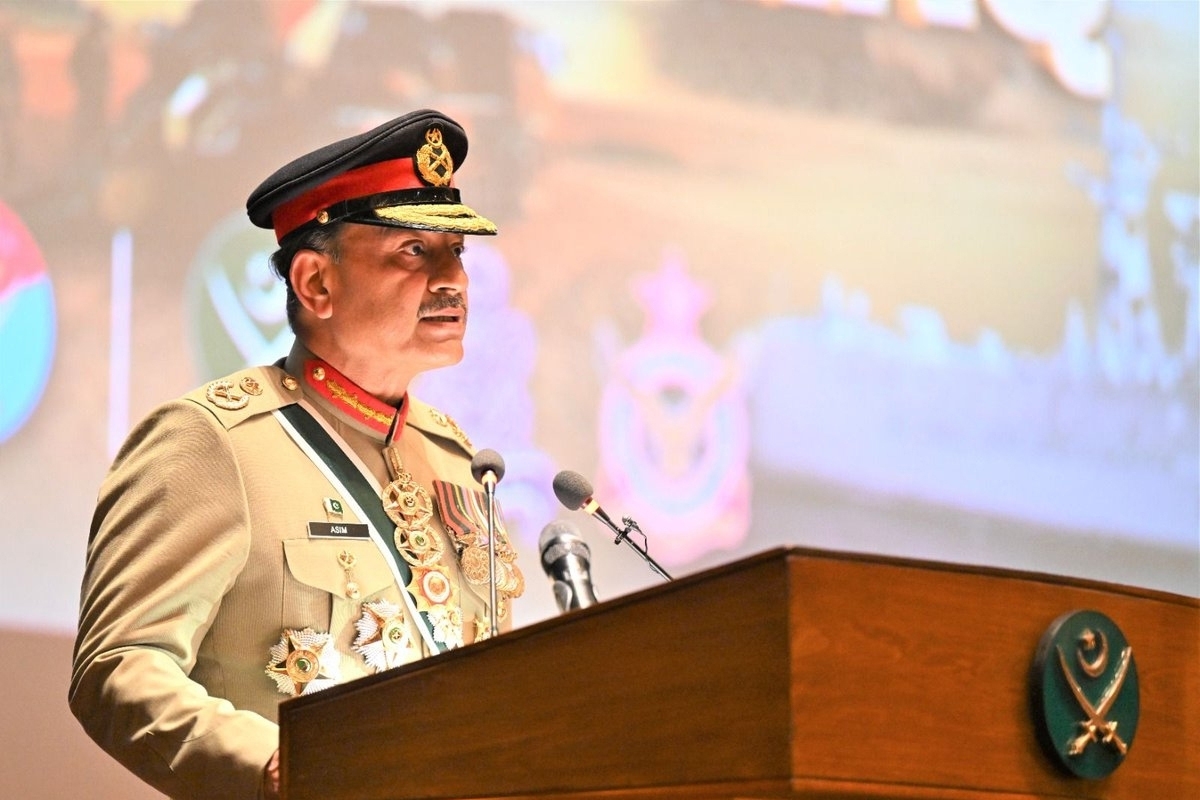
While Iranian President Masoud Pezeshkian stated that the memorandum of understanding with the United States is the best means for his country to exit the stalemate in the war, Ismail Baghaei, spokesperson for the Iranian Ministry of Foreign Affairs, announced in a statement that Pakistani Army Chief Asim Munir will visit Tehran on Monday.
Baghaei noted on Sunday that the visit comes as part of Pakistan’s ongoing efforts to enhance peace and security in the region.
Meanwhile, President Pezeshkian defended the recent memorandum of understanding, affirming that it offers the best path for Iran to escape the “neither war nor peace” situation that the current confrontation has reached.
In a speech published by the official Iranian news agency (IRNA) on Sunday morning, Pezeshkian said that members of Iran’s Supreme National Security Council view the memorandum as the best possible agreement, crafted in accordance with principles of dignity, wisdom, and national interest.
Pezeshkian added, “There is no clause in this memorandum that indicates any concessions by the Iranian side. The Supreme Leader sets the policies, and we will adhere to this path.”
The memorandum of understanding, signed by U.S. President Donald Trump last June, set an ambitious 60-day deadline to end the war with Iran and reach an agreement on its nuclear program.
That deadline expired last week, but the two sides remain far apart on several issues, foremost among them the reopening of the Strait of Hormuz, a vital waterway for global trade and shipping.
Pezeshkian affirmed that Tehran does not intend to back down before its adversaries, but he also linked the possibility of reaching an agreement to Iran’s economic situation, stating that the country cannot attract investments under the current stalemate.
After nearly six months of war with the United States and Israel, Iran’s economy is suffering from sanctions and a naval blockade that make exporting oil, the country’s most important source of revenue, extremely difficult.
