The Democratic Republic of the Congo receives first batch of Ebola vaccine amid deadly outbreak
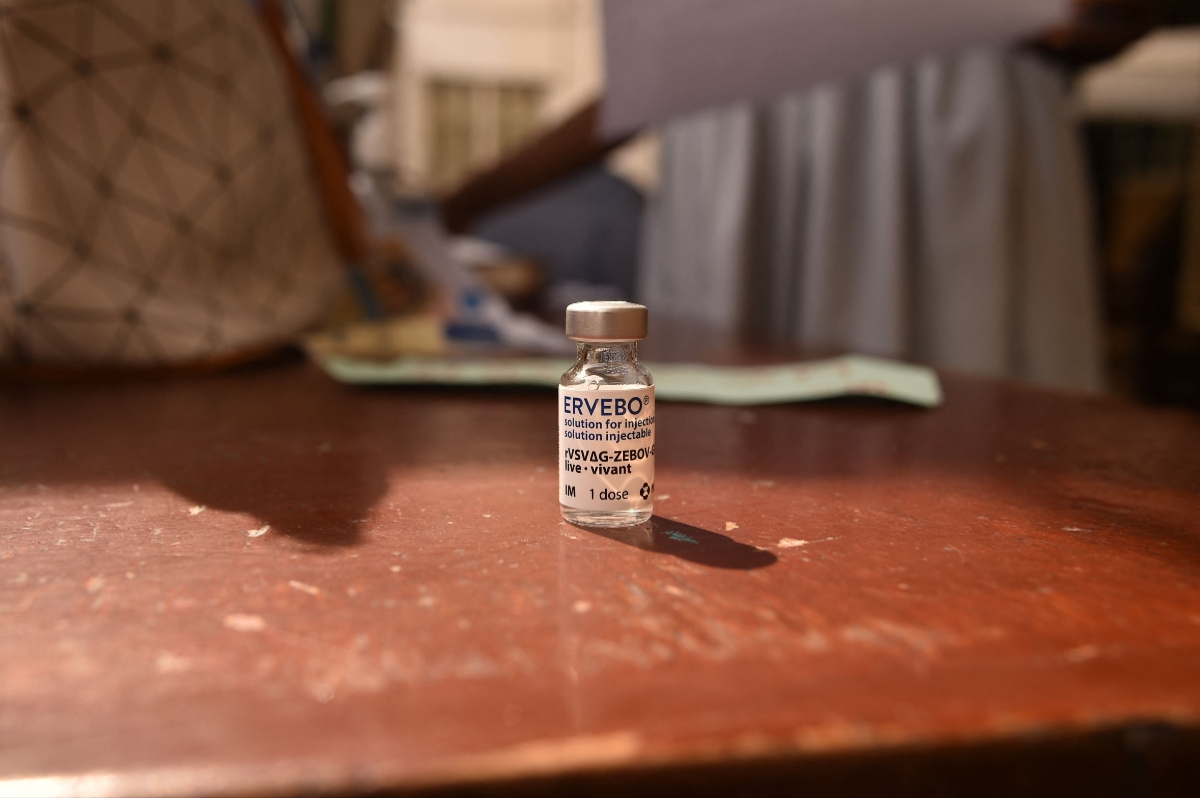
The Democratic Republic of the Congo has received its first batch of more than 16,000 doses of the Ervebo Ebola vaccine, as part of urgent international efforts to contain the country’s 17th outbreak, which is the deadliest in the nation’s history.
This comes amid United Nations warnings of a rapid rise in infections and deaths, after the republic recorded 2,516 deaths among 5,290 confirmed cases, according to the latest government report.
The 17th Ebola outbreak in the Democratic Republic of the Congo was announced on May 15, but the disease is believed to have begun spreading weeks earlier.
On Thursday, the World Health Organization (WHO) announced that the Democratic Republic of the Congo would receive 70,000 doses of the German-made Ervebo vaccine, the only Ebola vaccine with official regulatory approval.
Although Ervebo, manufactured by Merck, is effective against the Zaire strain of Ebola, its efficacy against the Bundibugyo strain, currently circulating in the country, remains unconfirmed.
While WHO experts are still uncertain whether the vaccine provides protection against the Bundibugyo strain, preliminary data collected primarily from animal trials suggest it may offer some protection.
Democratic Republic of the Congo Health Minister Samuel Rogier Kamba confirmed that the vaccine “has been used on multiple previous occasions, including on a large scale between 2018 and 2020.”
The Congolese minister made these remarks while present at Ndjili Airport, which received 16,250 doses of the vaccine on Friday.
Of the 70,000 vaccine doses allocated to the Democratic Republic of the Congo, 20,000 will be used in clinical trials, and 50,000 will be reserved for healthcare workers on the front lines, according to the WHO’s announcement on Thursday.
Earlier this month, WHO vaccine experts recommended conducting large-scale human trials of the Ervebo vaccine to determine whether it provides protection against the Bundibugyo strain.
Vaccines specifically targeting this strain are still undergoing clinical trials. US-based Moderna is developing a vaccine using messenger RNA technology, while the UK’s University of Oxford is working on another candidate.
Additionally, Singapore-based Hilleman Laboratories announced it would accelerate the development of the “rVSV-Bundibugyo” vaccine, which the WHO considers to have the highest chance of success, paving the way for human testing in clinical trials.
Ebola virus, which causes a form of hemorrhagic fever, results in high mortality rates. It first appeared in 1976, simultaneously in Nzara, Sudan, and Yambuku, in the Democratic Republic of the Congo.
The disease was named “Ebola” after the Ebola River near the village where the outbreak began in the Democratic Republic of the Congo.
The virus spread to West Africa in December 2013, infecting approximately 30,000 people in Guinea, Liberia, and Sierra Leone between 2014 and 2017, with more than 11,000 deaths among those infected.
