Siege Pressures Tehran: Divisions Over Razavi’s Escalation Plan
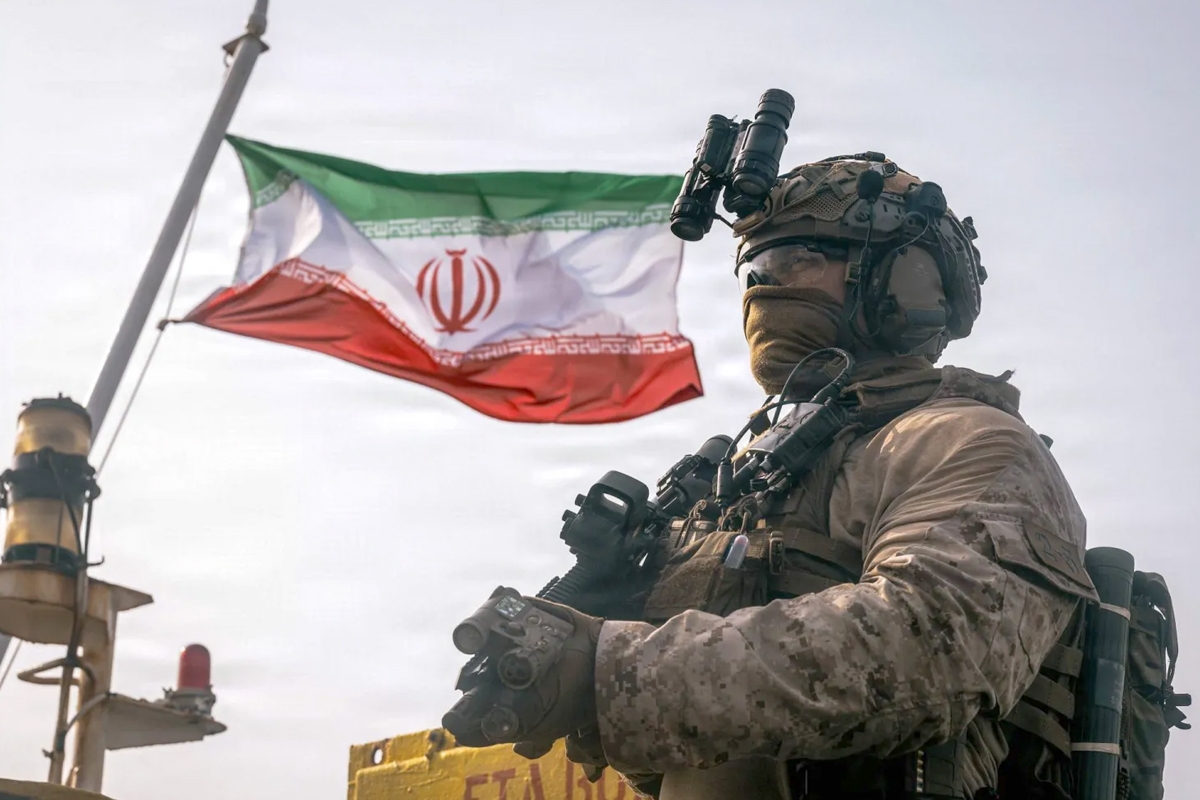
Amid escalating U.S. pressure on Iran and tightened restrictions on its ports, divisions have emerged within Tehran over how to respond to the naval blockade, with a military plan proposed that involves escorting Iranian
Translated by Qiyas from الجريدة — Original source
Amid escalating U.S. pressure on Iran and tightened restrictions on its ports, divisions have emerged within Tehran over how to respond to the naval blockade, with a military plan proposed that involves escorting Iranian commercial vessels with naval forces—a move that could open the door to a broader confrontation in the Strait of Hormuz.
A source in Iran’s Supreme National Security Council told Al-Jarida that the Council discussed, despite President Masoud Pezeshkian’s reservations, a plan proposed by the Council’s new Secretary-General, Mohsen Rezaee, which calls for providing military protection for Iran’s commercial ships as they sail, in an attempt to break the U.S. blockade imposed on its ports.
The plan comes at a time when reports indicate a noticeable increase in the use of the southern route of the Strait of Hormuz under U.S. protection, coinciding with talk of new measures being taken by Washington aimed at intensifying economic pressure on Tehran and deepening its crisis.
According to the source, the plan grants the diplomatic track a two-week deadline to reach an understanding that would lift the U.S. naval blockade. If negotiations fail within this period, Iranian forces will begin escorting commercial ships, attempting to establish a fait accompli on the ground.
The source clarified that the plan is not limited to securing Iranian ships; it also includes escalating the confrontation in the Hormuz area to encompass maritime zones and domains beyond the Strait’s boundaries, aiming to increase pressure on the United States and regional countries, in coordination with Iran’s allies and regional proxies.
The source stated that Pezeshkian, in his capacity as head of the Supreme National Security Council, refused to sign the plan before obtaining approval from Supreme Leader Mojtaba Khamenei, making its adoption contingent on the Supreme Leader’s final stance. This also signals ongoing differences within Iran’s leadership regarding the limits of possible escalation in the coming period.
