New Jump in the US Dollar Price in Egypt
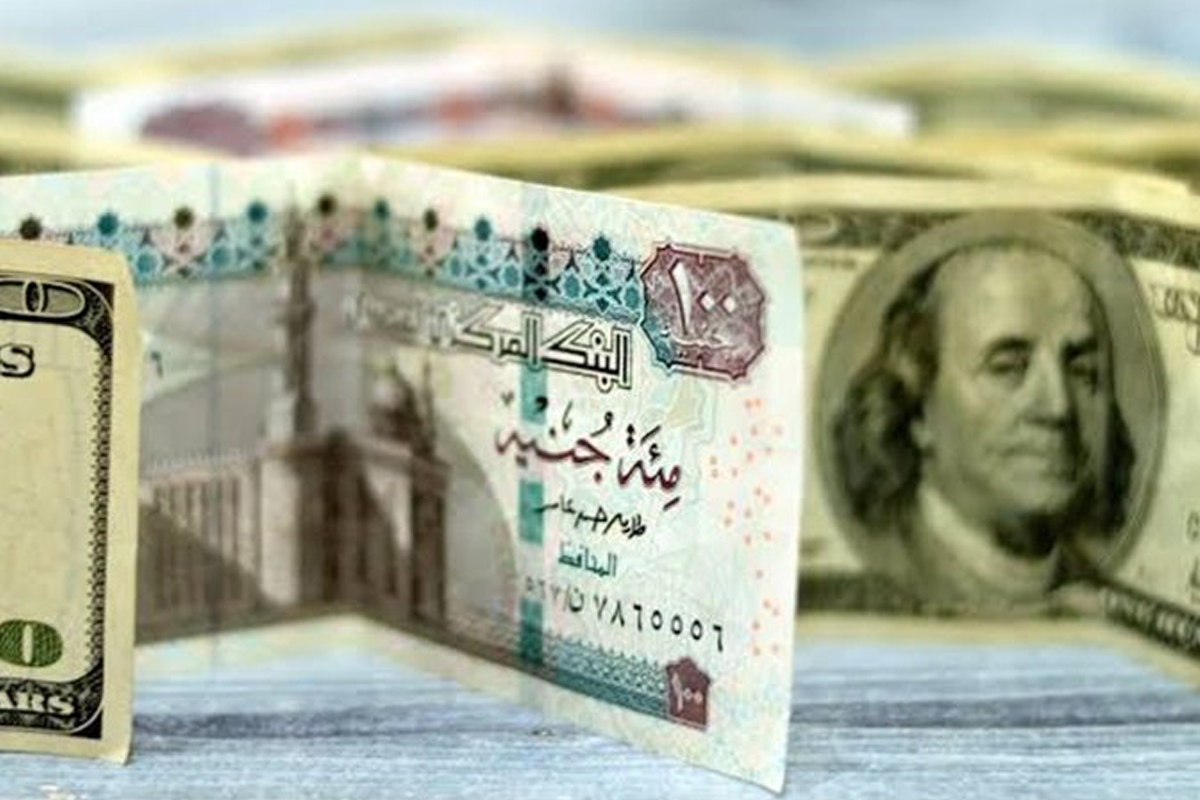
The US dollar rose in Egypt during today’s trading sessions, continuing its approach toward previous record levels reached after the outbreak of the Iran war, as it neared breaking the 51-egypian pound barrier once again
Translated by Qiyas from الجريدة — Original source
The US dollar rose in Egypt during today’s trading sessions, continuing its approach toward previous record levels reached after the outbreak of the Iran war, as it neared breaking the 51-egypian pound barrier once again.
According to a survey conducted by “Al Arabiya Business,” the highest dollar exchange rate was recorded at the National Bank of Kuwait, Next Bank, and the Suez Canal Bank at 50.85 pounds for buying and 50.95 pounds for selling. The lowest rate was seen at the Arab African International Bank, at 50.55 pounds for buying and 50.65 pounds for selling.
At the National Bank of Egypt, Abu Dhabi Islamic Bank, Al Arab Bank, and Midbank, the dollar traded at 50.70 pounds for buying and 50.80 pounds for selling. At Misr Bank, International Commercial Bank, Abu Dhabi First Bank, Egyptian Gulf Bank, Bank of Housing and Urban Development, Arab African Bank, and United Bank, the dollar was priced at 50.65 pounds for buying and 50.75 pounds for selling.
At the Central Bank of Egypt, the dollar exchange rate stood at 50.65 pounds for buying and 50.79 pounds for selling. The Egyptian pound closed 2025 with strong performance, appreciating by 6.7% against the dollar since the beginning of last year, supported by a record surge in remittances from Egyptians working abroad and the restoration of liquidity in the banking sector.
Morgan Stanley stated that Egypt’s external situation showed greater resilience than expected, and that external pressures on Egypt due to rising oil prices were lower than anticipated. It noted that despite the sensitivity of Egypt’s energy deficit to oil prices, the flow of remittances and the continued flexibility of the exchange rate have improved the economy’s ability to absorb shocks, highlighting three scenarios for the dollar’s price in Egypt.
In a recent report, the bank predicted that the dollar would trade between 46 and 48 pounds in the first scenario, where tensions and oil prices decline, supported by the high interest rate of 20%, which would boost demand for local currency as well as forward contracts for the pound. It added that a decline in remittances due to lower oil prices would be offset by an increase in hot money, allowing investors to benefit from both the appreciation of the pound and the high interest rates.
