Gold Retreats from Highest Level in Over Two Months
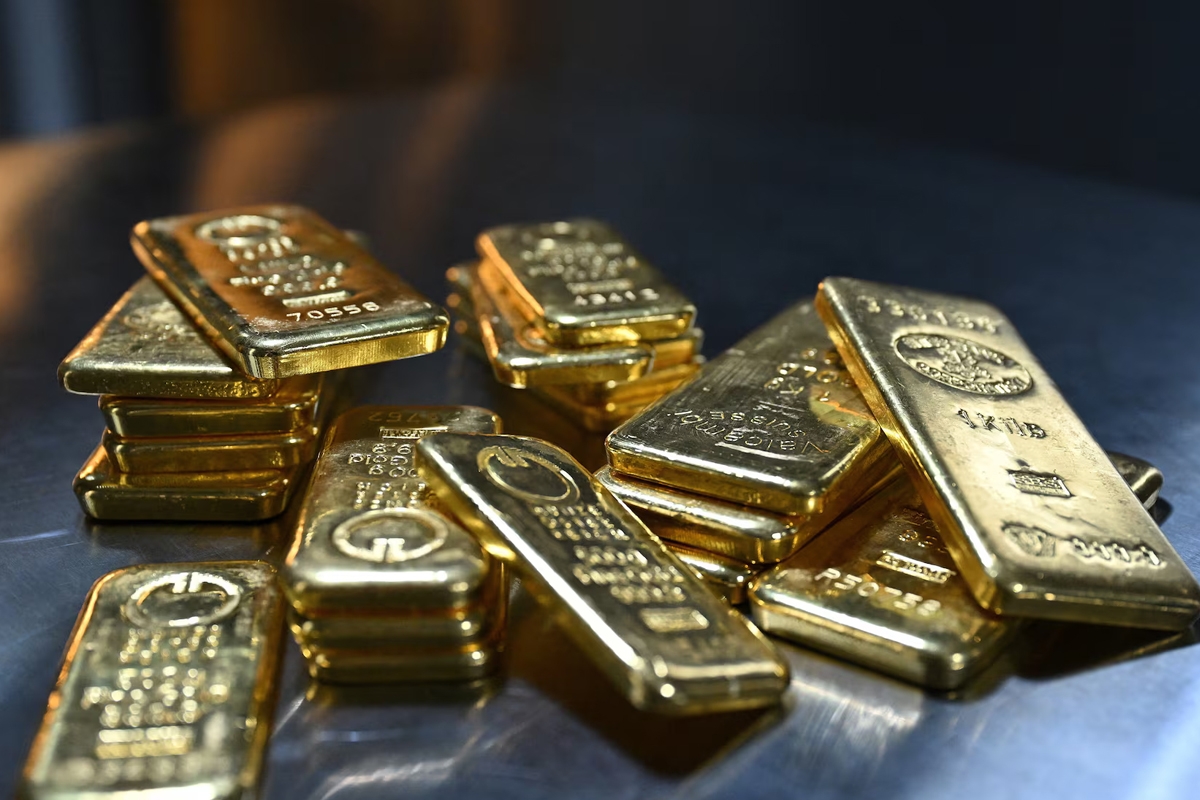
Gold fell today after rising more than 4 percent in the previous session, as a surprise move by the US Treasury to support liquidity led to lower bond yields and a weaker dollar, while higher oil prices and hawkish signa
Translated by Qiyas from الجريدة — Original source
Gold fell today after rising more than 4 percent in the previous session, as a surprise move by the US Treasury to support liquidity led to lower bond yields and a weaker dollar, while higher oil prices and hawkish signals from the Federal Reserve (the US central bank) prompted profit-taking.
Spot gold prices fell 0.9 percent to $4,479.12 per ounce, after the precious metal had previously recorded $4,4525.79, following a rise to its highest level in over two months yesterday.
The US Treasury announced on Wednesday that it would double the volume of repurchase operations to support liquidity for longer-term Treasury bills and bonds, a move expected to help ease pressure on the bond market.
The US dollar hovered near its lowest level in three months. Ricardo Evangelista, an analyst at Active Traders, described the price decline earlier in the day as a short-term correction rather than the start of a broader downtrend.
He added that expectations in the coming weeks would depend on Federal Reserve policy outlooks and developments in the Middle East.
Oil prices rose to their highest levels in three weeks amid concerns that the ongoing stalemate in the conflict between the United States and Iran could continue to disrupt supplies in the Middle East. This follows warnings from US President Donald Trump of severe economic consequences for any country providing “any kind of support” to Tehran.
Meanwhile, total US outstanding debt surpassed $40 trillion for the first time, sparking new warnings of a financial crisis. According to CME’s FedWatch tool, traders currently price in a 67 percent probability that US interest rates will remain unchanged in September.
Morgan Stanley expects gold to exceed $5,000 per ounce in 2027, possibly sooner, as it anticipates the Federal Reserve will keep interest rates unchanged. However, the bank noted that US inflation data could lead to volatility, while low short positions in COMEX limit the potential for further gains driven by short covering.
Gold is viewed as a hedge against inflation, but rising interest rates are reducing the appeal of the non-yielding precious metal.
