Qambar: Sustainability in the trajectory of Kuwaiti visual arts is essential so as not to start from scratch
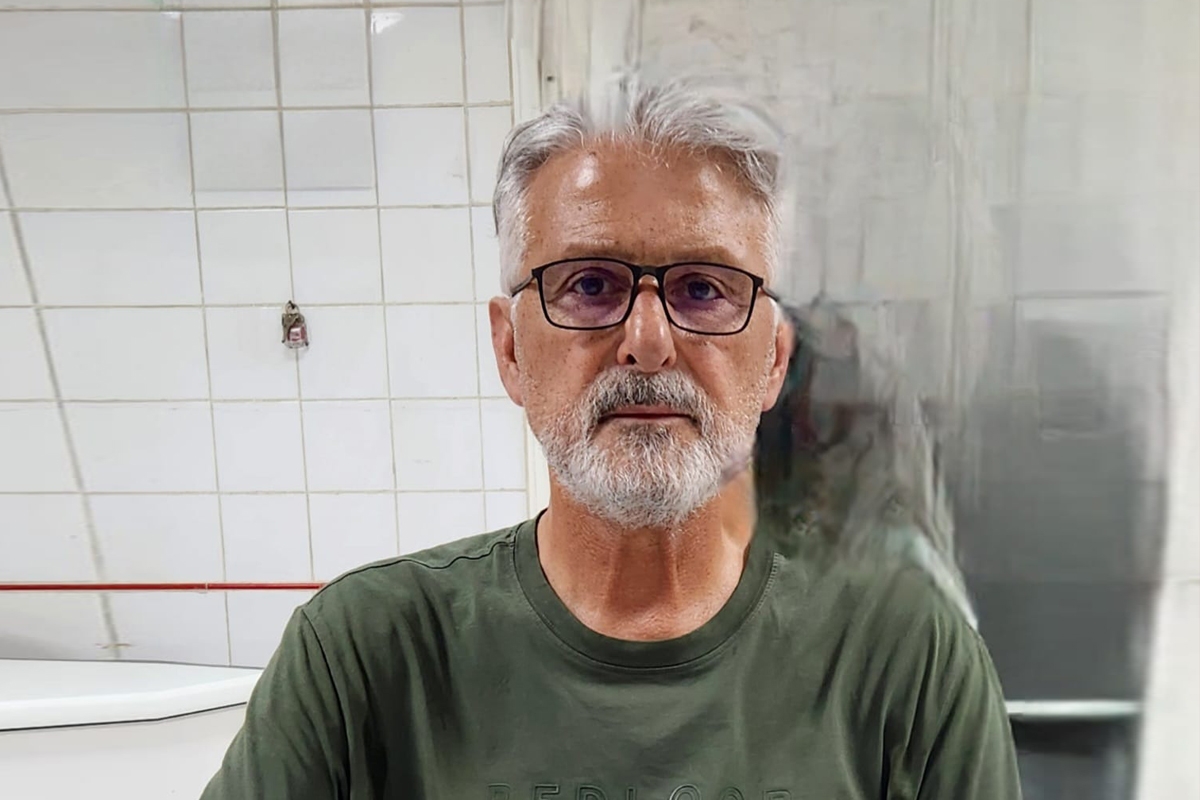
Lecturer and visual artist Mohammed Qambar emphasized the importance of sustainability in the visual arts, noting that it is not merely an aesthetic practice or an expression of inner depths, but rather a visible historical legacy.
Speaking to Al-Jarida, Qambar stated that sustainability is a term that conveys very grand concepts. It drives individuals and society toward discipline, precision in selecting appropriate life approaches, and future planning. Life, within the framework of sustainability, does not proceed haphazardly; rather, it requires systematic thinking, rigorous scientific study, and insightful vision. This enables societies to advance, humanity to elevate, and a sophisticated civilization to be built. Therefore, it is absurd to exclude sustainability from the visual arts or to confine it solely to preserving various environmental aspects, such as water and air, as well as food security, education, health, the economy, and other matters.
Qambar explained how the principles of sustainability can be leveraged in the fields of art and culture, stressing the necessity of strengthening bonds between generations and fostering connectivity and communication among them. He highlighted the importance of benefiting from the achievements of each generation individually, whether the pioneers or subsequent generations, by meticulously documenting their experiences and identifying their most significant historical accomplishments. This ensures that later generations draw upon the essence of these experiences and build upon where their predecessors left off, rather than starting from scratch. In this way, the visual arts trajectory in Kuwait progresses toward growth, development, and prosperity, leaving no room for regression or decline, while keeping pace with advancement and paying attention to modern ideas in the art sector.
Regarding the key areas that must be prioritized to elevate the arts, Qambar clarified: “We must focus on the youth and encourage them through artistic activities, while introducing them to the true value of the works created by the first generation of visual artists. These pioneers should be highlighted and appreciated to serve as positive role models for subsequent generations. Their personal experiences should be presented through publications or film materials that fairly represent them and place them in their rightful position, given their pioneering role. This approach activates artistic communication between generations. It is also essential to support and encourage young people passionate about art, and to identify genuine emerging talents, particularly across various educational stages.”
He stressed the importance of teaching the history of global art and the history of Kuwaiti visual arts at different educational levels. He also noted significant positive outcomes from relocating art exhibitions to public and private complexes, such as universities, institutes, youth cultural centers, and their clubs. Additionally, he pointed to the value of producing television programs about both Kuwaiti and global visual arts, properly preserving the works of the first generation of artists, and displaying them in permanent exhibitions to help the younger generation appreciate the value of that pioneering generation and their works.
Qambar further emphasized the need to establish annual awards and art competitions, as well as to archive artists’ works, the history of each piece, and the biographies of both Kuwaiti and international artists in local cultural centers. This would facilitate research for young people and students at various educational levels. He also called for appointing competent individuals with artistic culture to positions in institutions responsible for visual arts.
Finally, he underscored the necessity of encouraging government and private institutions, hotels, and large commercial companies to engage in art acquisition, as well as organizing individual or group exhibitions for international artists. He stressed the importance of promoting the idea that art is not merely a hobby for passing time, but a profession or craft capable of providing a dignified livelihood for its practitioners.
