Oil at 3-week high amid Strait of Hormuz uncertainty
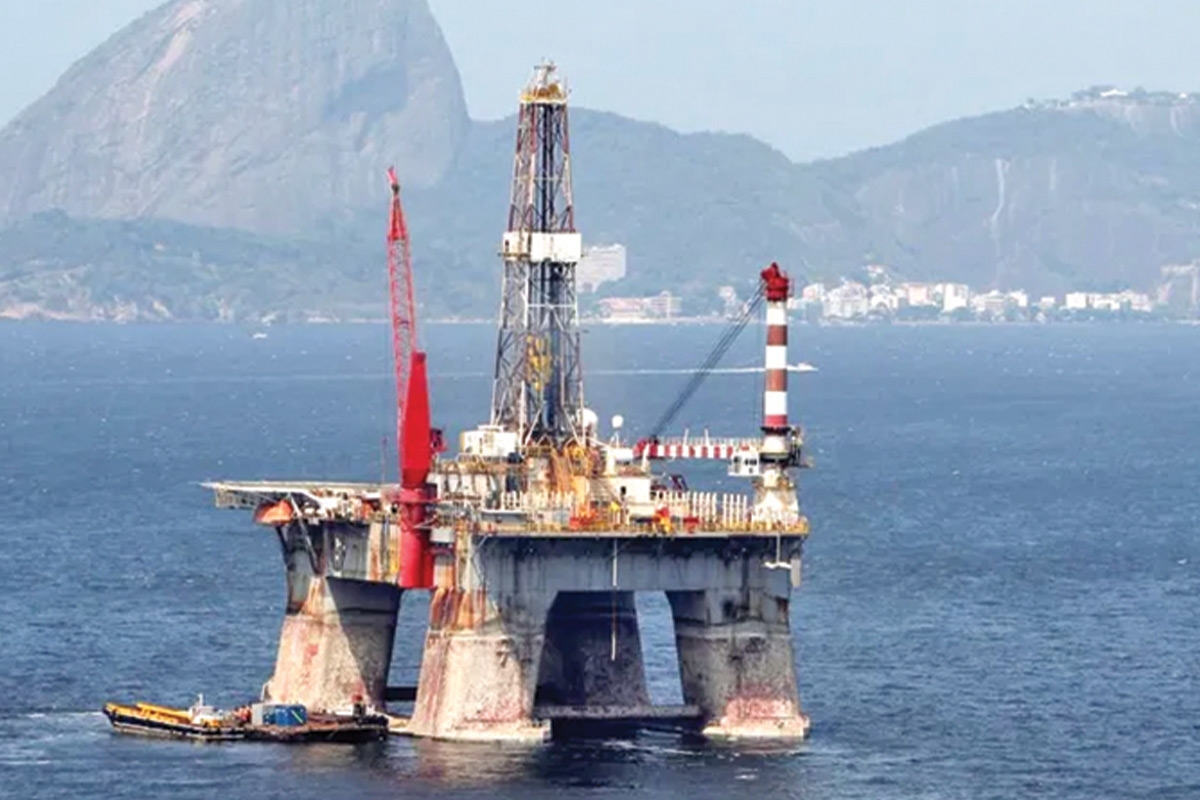
The price of a barrel of Kuwaiti crude oil rose by $2.42 to reach $85.23 per barrel in yesterday’s trading, compared to $82.81 on Monday, according to the price announced by the Kuwait Petroleum Corporation. In global ma
Translated by Qiyas from الجريدة — Original source
The price of a barrel of Kuwaiti crude oil rose by $2.42 to reach $85.23 per barrel in yesterday’s trading, compared to $82.81 on Monday, according to the price announced by the Kuwait Petroleum Corporation.
In global markets, oil prices hit their highest level in three weeks this morning, amid uncertainty regarding shipping movements through the Strait of Hormuz and ongoing supply disruptions.
Brent crude futures rose 77 cents, or 0.85 percent, to $91.79 per barrel, while U.S. West Texas Intermediate (WTI) crude futures rose 85 cents, or 1 percent, to $85.79 per barrel. Brent crude reached its highest level since July 30, while WTI crude hit its highest level since July 31.
Tim Waterer, senior market analyst at KCM, said, “Confidence in the safe passage of the maritime corridor remains low, with shipping activity far below normal levels. This uncertainty continues to support a geopolitical risk premium in oil prices.”
U.S. President Donald Trump stated on Tuesday that Washington is not holding any talks with Iran and that the Strait of Hormuz is open, a comment that contradicted a previous Iranian assertion that the strait remains closed to maritime navigation.
The deadline for the temporary ceasefire agreement expired on Monday. A senior Iranian official told Reuters that his country is moving toward a “fully offensive” military posture due to diplomatic deadlock, although no reports emerged on Tuesday of new attacks from either side.
Ahmad Asiri, market analyst at Piper Sandler, said, “Commercial shipping traffic through the Strait of Hormuz continues to face near-total disruption, as disagreements persist over the regulations governing maritime navigation.”
Data released on Wednesday showed a slowdown in shipping traffic through the Strait of Hormuz, with most ship owners avoiding this vital waterway due to a lack of clear signals regarding its opening.
In an effort to avoid the Strait of Hormuz, the Iraqi Cabinet announced on Tuesday the approval of mechanisms for exporting crude oil through specialized international and local companies, via various export outlets.
In the United States, market sources reported on Tuesday, citing data from the American Petroleum Institute, that crude oil and distillate inventories fell last week, while gasoline inventories rose.
Oil Minister Paula Hinojosa said in an interview with state television from Houston that agreements had been reached with oilfield services giant SLB Ltd. and independent producer Hunt Oil Co.
The signings come as Caracas and Washington move to accelerate investment in Venezuela’s vast but underdeveloped oil reserves.
Politico had previously reported that several independent U.S. production companies were expected to sign production contracts with state-owned oil company Petróleos de Venezuela (PDVSA) in the coming days, starting with an event in Houston on Tuesday.
It added that the government also signed a framework agreement with SLB, formerly known as Schlumberger, for services related to integrated reservoir studies across the country.
The agreements represent another step in Venezuela’s and the Trump administration’s efforts to revive the country’s oil industry by attracting private capital and expertise, following the U.S. arrest of President Nicolas Maduro in January.
