UN Warns of Deteriorating Security and 'Institutional Fragmentation' in Libya
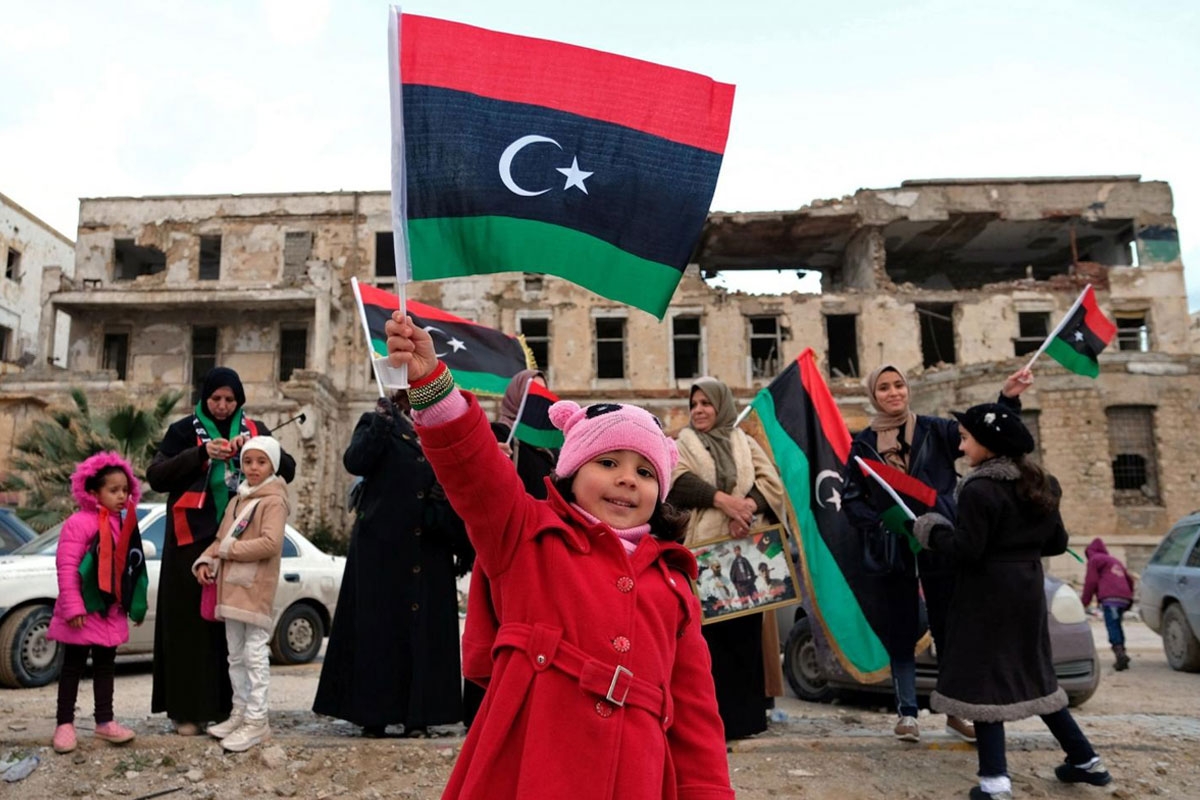
UN Special Representative Hanna Tetteh warned of deteriorating security and political conditions in Libya, emphasizing the need to unify institutions and hold comprehensive elections.
Translated by Alqyas from Al-Jarida — Original source
The United Nations has warned of deteriorating security conditions and the repercussions of continued “institutional fragmentation” in Libya, emphasizing the need to advance the political process toward unifying institutions and creating the conditions for comprehensive elections.
This came during a briefing delivered by the UN Special Representative to Libya, Hanna Tetteh, “via video link,” at a session held by the UN Security Council on Tuesday evening to discuss the situation in Libya.
Tetteh stated that the political process “goes beyond merely bridging the gap between political factions to include restoring the state’s capacity to meet citizens’ needs and manage its resources responsibly under unified institutions, while ensuring security and enhancing resilience.”
Tetteh, who also heads the UN Support Mission in Libya (UNSMIL), added that recent widespread power outages and the accompanying public discontent amid a prolonged heatwave had exposed the consequences of “institutional fragmentation,” lack of investment, and absence of coordination in decision-making.
She stressed that achieving this requires political will and a readiness on the part of the relevant Libyan parties to make concessions, prioritizing national interests and the welfare of the Libyan people, alongside continued coordinated international support.
Tetteh clarified that the roadmap may take longer than initially anticipated, but this “does not mean losing our bearings”; rather, it represents a necessary adaptation to the political reality and the views of Libyan parties and international partners.
On the economic front, Tetteh noted that the electricity crisis, which lasted until August, highlighted a paradox: according to data from the National Oil Corporation, approximately $1 billion is spent monthly on fuel imports, yet the power system remains vulnerable to fuel shortages.
Regarding security, Tetteh warned that conditions along Libya’s western coast are “rife with risks,” given the competition among armed groups involved in illicit activities, including drug and human trafficking, and fuel smuggling.
