Egypt: El Dabaa Nuclear Power Plant Meets Highest Nuclear Safety Standards
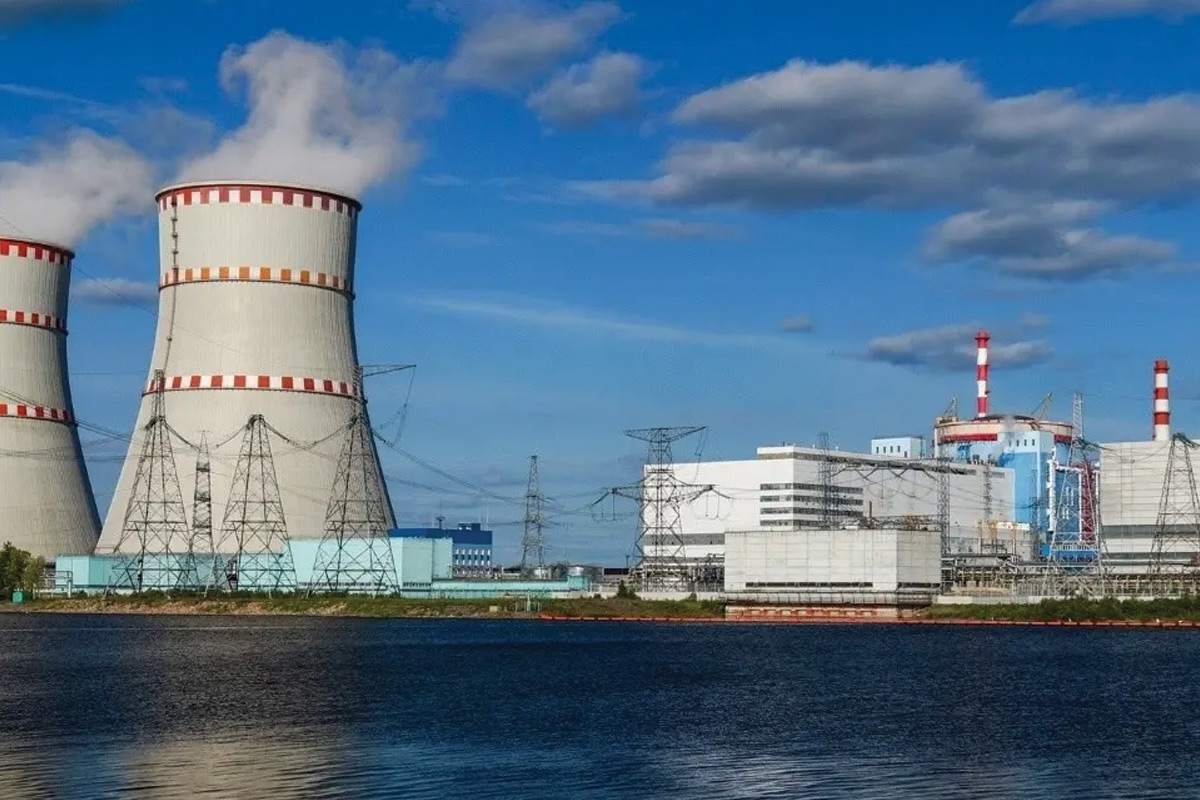
Egypt has refuted allegations that cast doubt on the safety standards of the El Dabaa nuclear power plant project, affirming its commitment to international standards and continuous regulatory oversight. On the night of Monday into Tuesday, the Egyptian Nuclear Power Plants Authority stated that the project’s implementation “is carried out in accordance with the highest internationally recognized nuclear safety and security standards.”
In a statement, the state-owned authority noted that it had followed reports in an article published by the American magazine Politico regarding the project, which contained general claims and doubts about the application of safety standards during implementation. The authority clarified that the article presented an inaccurate and unbalanced picture of the project’s reality, drawing conclusions about its safety and execution efficiency without placing those observations in their proper technical and regulatory context. It accused the report of being used to advance other political objectives.
Meanwhile, the Russian state-owned company Rosatom emphasized that the Egyptian project, which it is implementing, is under continuous supervision by the competent authorities in both countries. Rosatom pointed out that none of the allegations contained in the article published in the American magazine had been confirmed under the contractual, technical, or regulatory procedures stipulated in the project.
The response came after Politico published a report based on documents it claimed were internal, citing defects in certain construction works, safety and engineering concerns, and delays in the project implemented by Rosatom. The report relied on alleged internal documents that revealed defects and delays in the project, which consists of four units with a total capacity of 4,800 megawatts and a cost of $28.5 billion.
Politico stated that Rosatom, which manages nuclear projects in Europe, faces accusations of failures in safety, security, and engineering standards at the El Dabaa plant in Egypt. The project uses the same technology approved for the Paks II nuclear power plant, which the company is building in Hungary. Additionally, a confidential letter dated June 4, sent by the Egyptian Nuclear Power Plants Authority to an executive at Rosatom, cited defects in several reactor units and concerns regarding “nuclear safety culture,” as well as references to what was described as “deliberate negligence” by a project official.
