Lebanese President to Rome: Verification Mechanism and Eighth Round on the Table
Lebanon is in a state of anticipation regarding the outcome of relations between Washington and Tehran, and is waiting to see if the conditions for the eighth round of negotiations in Italy will mature and the session wi
Translated by Qiyas from الجريدة — Original source
Lebanon is in a state of anticipation regarding the outcome of relations between Washington and Tehran, and is waiting to see if the conditions for the eighth round of negotiations in Italy will mature and the session will be convened.
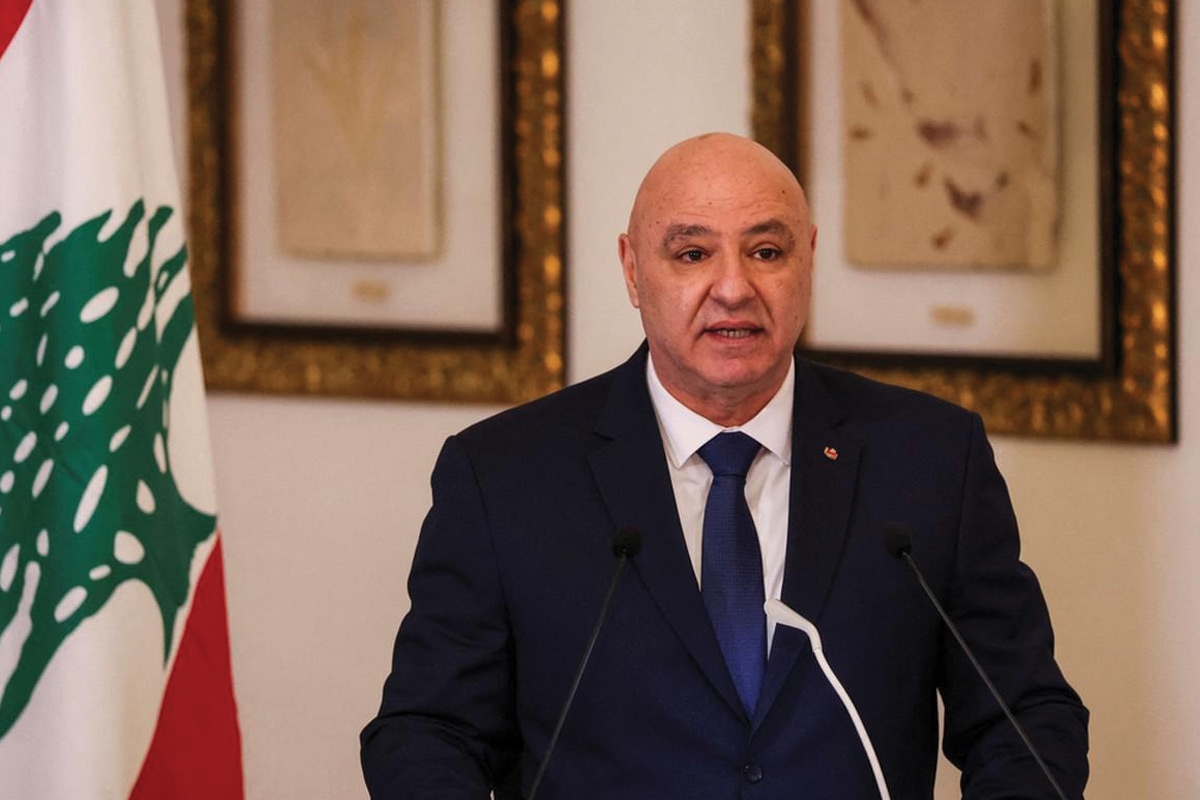
This issue will be central to the meetings held by President Joseph Aoun in Rome and the Vatican, where he will meet Pope Leo on Thursday, as well as the Italian President and Prime Minister to discuss the support Italy provides to Lebanon.
After Lebanon had signaled its refusal to participate in the eighth round, the United States worked to persuade it to do so, highlighting the surprising Israeli stance. According to diplomatic sources, Israel refuses to participate in the negotiations unless the Lebanese state agrees to enter the “Ali al-Taher” hill, hand it over from Hezbollah, and compel the group to withdraw from it.
Israel also seeks to set new parameters for negotiations, including reviving economic files and security coordination mechanisms. This is particularly important because Israel considers the experimental zones model to have failed, as the Lebanese Army has not removed Hezbollah’s weapons or dismantled its military structure, and the process of searching homes and private properties remains suspended. Conversely, Lebanon holds Israel responsible for obstructing the experimental zones due to the continued occupation and attacks.
The United States continues to pressure Israel and Lebanon to participate in the negotiations, while Israel escalates its activities at “Ali al-Taher” and refuses to lift the siege imposed on it. Meanwhile, Hezbollah continues to refuse handing over the hill to the Lebanese Army. Consequently, two scenarios remain possible: either the situation will remain unchanged for an extended period, or a battle will erupt. Israeli practices indicate a refusal to de-escalate in the south, maintaining the equation of the suburbs in exchange for not targeting settlements, while operations in the south continue.
In this context, sources suggest that Israel will intensify strikes on “Ali al-Taher” without engaging in a very large-scale battle that could expand the conflict throughout the south, especially given the US refusal to open a major front. There will be a wait to see how developments between Iran and the United States unfold.
In this regard, US General Joseph Clerfield made his second visit to Army Commander Rudolf Heikal, where they discussed the path of the experimental zones and their operational mechanisms, as well as verification mechanisms and the countries involved, particularly amid the continued reshuffling of names of countries assigned to this role. It is noted that Hezbollah rejects any role for Azerbaijan and Britain, while Israel rejects any role for France or Spain. However, there is something akin to consensus or overlap regarding roles for Italy and Switzerland.
One of the conclusions reached so far is that there is no agreement on new experimental zones, nor any agreement on any Israeli withdrawal from any point in southern Lebanon.
This will keep the situation in Lebanon unchanged for a long time, or any change in calculations could lead to a renewed outbreak of conflict, which will be linked to developments in the Iranian-American track. Some assessments indicate that the entry of Netanyahu and Trump into their respective elections is excluded, and the stalemate remains, with a heightened probability of escalation through diplomats using the term “combat days.”
