Iraqi Factions Plot to Assassinate Chief Justice; Al-Zaidi Vows to Disarm Them Even at the Cost of His Life
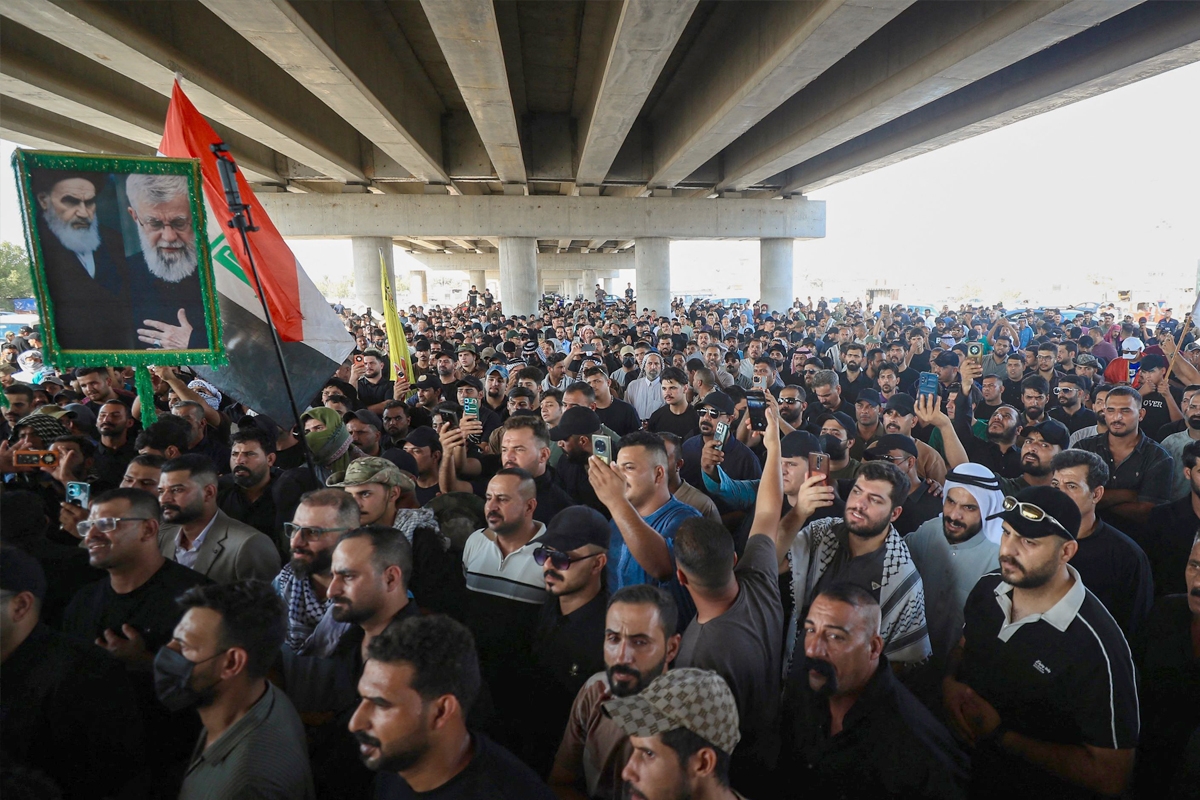
In a highly dangerous development accompanied by Iraqi Prime Minister Ali al-Zaidi’s pledge not to back down from monopolizing the weapons of Shia factions at any cost, intelligence information revealed yesterday a plot to assassinate Faiz al-Zidan, President of the Higher Judicial Council, coinciding with an attack on the headquarters of Kurdistan Regional Government President Masrour Barzani.
Under Zidan’s leadership, the judiciary played a pivotal role in the fight against corruption, specifically in the case of former Deputy Minister of Oil Adnan al-Jumaili since 2025. After completing investigations, he issued orders to expand investigative operations, which led to the “Dawn Raid” and the arrest of several MPs after their parliamentary immunity was lifted.
Judicial sources had previously revealed that Zidan established a comprehensive legal framework for the process of centralizing weapons under state control. In a speech delivered at the beginning of 2026, Zidan stated, “There is no longer any need for weapons outside the framework of the Iraqi state following the defeat of terrorism.”
While Iraqi authorities have taken stringent measures to protect Zidan, the Kurdistan Counter-Terrorism Agency announced that the office of the Prime Minister in Erbil, alongside the residence of the head of the Security and Intelligence Agency, was attacked yesterday by two bomb-laden “Jihad-110” drones launched from Iran.
Amid these developments, the President of the Republic Nizar al-Amedi, Prime Minister Ali al-Zaidi, Parliament Speaker Haibat al-Halbousi, and Judiciary Head Faiz al-Zidan held an emergency meeting on the night of Monday-Tuesday to discuss three files described as critical. These include centralizing weapons and options for confronting factions refusing to disarm after the September 30 deadline, continuing the fight against corruption and confirming that there are no red lines in prosecuting suspects, as well as the economic crisis resulting from the halt of oil exports through the Strait of Hormuz.
Sensitivity regarding the weapons file escalated with al-Zaidi’s commitment to proceed with centralizing them under state control, emphasizing that he would not back down from confrontation “even if it costs me my life.”
The Prime Minister received decisive support from the US administration. US envoy Tom Brack stated, “We fully support Prime Minister al-Zaidi’s leadership in restoring Iraq’s full sovereignty and ensuring that all weapons and security forces are subject to state authority.”
In response, the State Law Coalition, led by Nouri al-Maliki, proposed decoupling the timeline of the US withdrawal from the file of dismantling the factions’ weapons, aiming to send reassuring signals, with the proposal still under study.
Economically, Iraq is facing increasing financial pressure due to the halt of oil exports through the Strait of Hormuz, with delays in paying salaries for several employees in July. The governors of the Central Banks of Iraq and Iran discussed mechanisms for settling financial dues and regulating trade. Meanwhile, Iraq referred a feasibility study for an oil export pipeline project, including the “Basra-Haditha” line, to an international consortium of companies to explore the possibility of extending it to the port of Aqaba, with a capacity of 2.25 million barrels per day, in a move to diversify Iraqi oil export routes.
