Oil Rises After Tanker Attacks and Stalled Negotiations
The price of a barrel of Kuwaiti crude oil rose by 27 cents to $82.67 in Friday trading, up from $82.40 on Thursday, according to the price announced by the Kuwait Petroleum Corporation. In global markets, crude oil futu
Translated by Qiyas from الجريدة — Original source
The price of a barrel of Kuwaiti crude oil rose by 27 cents to $82.67 in Friday trading, up from $82.40 on Thursday, according to the price announced by the Kuwait Petroleum Corporation.
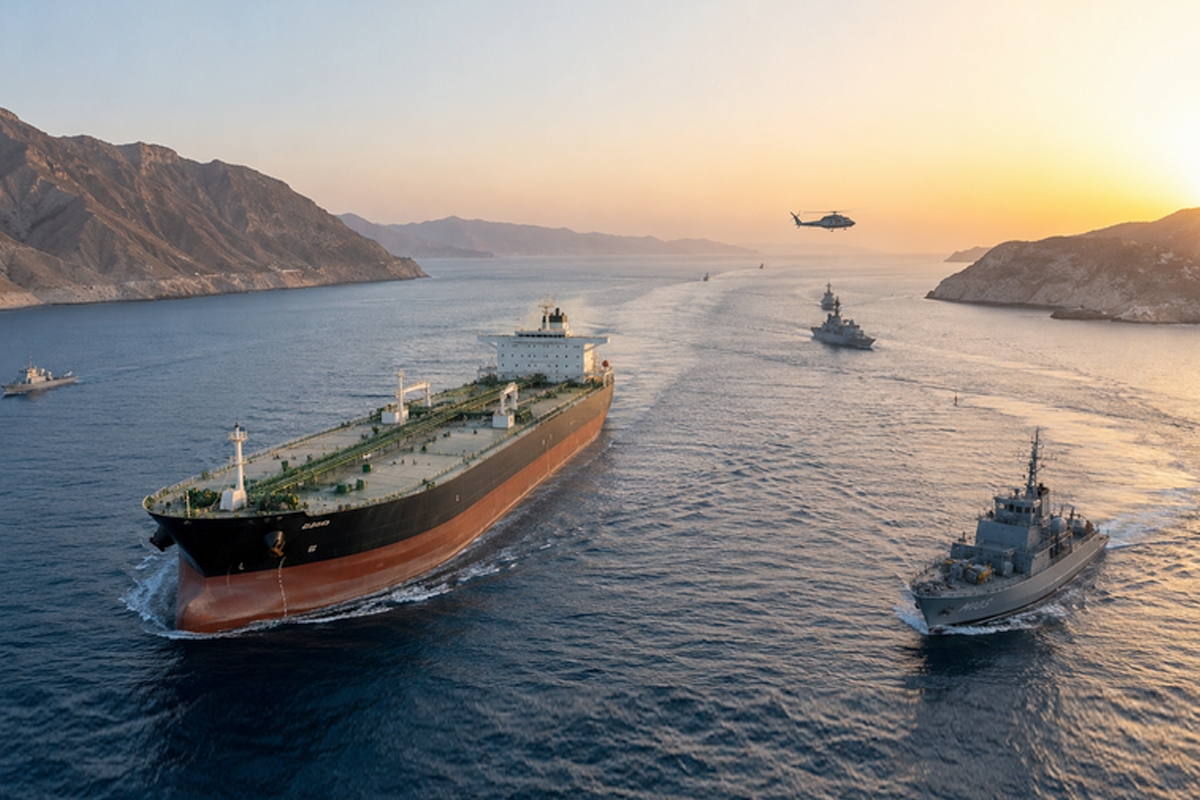
In global markets, crude oil futures prices rose by more than $1 per barrel on Friday, driven by attacks on oil tankers and a lack of significant progress in a ceasefire agreement between the administration of U.S. President Donald Trump and Iranian leadership.
Weekly gains for crude oil could reach 6% for Brent crude and 5.4% for U.S. West Texas Intermediate (WTI). Andrew Lipo, head of Lipo Oil Associates, said, “We are seeing prices rise as the week draws to a close, following new attacks on oil tankers and no progress in a ceasefire deal.”
Lipo added that the “day of truth” may arrive if navigation continues in the Strait of Hormuz, through which 20% of global supplies pass. He noted, “Crude oil prices may reach $80 per barrel, but diesel prices could hit $180 per barrel and gasoline $130 per barrel, impacting consumers.”
U.S. Treasury Secretary Scott Bessent stated in a television interview, “Expect more decisions to be issued next week, as we will impose unprecedented measures in the history of economic isolation against any country.” Amid rising tensions between the United States and Iran over control of the Strait of Hormuz, shipping traffic through the waterway fell below the monthly average.
Before the start of U.S.-Israeli attacks on Iran in late February, approximately 20% of global daily oil and liquefied natural gas (LNG) supplies passed through the strait.
Amid supply disruptions in the Middle East, OPEC forecasts pointed to a slowdown in demand growth, while U.S. crude oil inventories recorded their largest weekly increase in more than three and a half years.
Russia’s share of India’s total oil imports—the third-largest oil importer and consumer in the world—surged to a new record high of 50.8% in July, with shipments from Moscow reaching approximately 2.47 million barrels per day, according to a report.
Data cited by Reuters from trade sources showed that Russia’s share of Indian oil imports during the first four months of the fiscal year beginning in April reached a record 43.25%, averaging over 2 million barrels per day, compared to 37% last year.
Indian purchases face uncertainty following the U.S. Senate’s approval of a bill imposing 100% tariffs on buyers of Russian oil, a measure still awaiting approval by the House of Representatives to become law.
Indian government refineries are moving to increase their imports of liquefied petroleum gas (LPG) from the United States, aiming to reduce their dependence on the Middle East and support trade negotiations between New Delhi and Washington, according to Bloomberg.
The agency reported, citing informed sources, that the Indian government has asked Indian Oil, Bharat Petroleum, and Hindustan Petroleum to secure at least 15% of India’s LPG imports in 2027 through U.S. supply contracts, up from around 10% this year.
The three refining companies are holding talks in the United States to finalize supply contracts, after India earlier this year signed its first long-term agreements to purchase American LNG, totaling approximately 2.2 million tons.
The UK’s offshore oil and gas regulator has urged companies operating in the North Sea to accelerate the pace of decommissioning aging wells, amid a backlog of delayed work, rising decommissioning costs, and challenges related to equipment availability.
The North Sea Transition Authority said that approximately 500 oil and gas wells have missed their primary deadlines for cessation and closure, while around 1,000 additional wells must be shut down over the next five years. The regulator called on companies to “drastically increase the pace of work” to clear the backlog.
Companies permanently closed 114 wells last year, up from 103 in 2024, but the authority believes the current pace remains insufficient, warning that rising costs, competition for equipment, and limited availability of drilling rigs are hindering decommissioning efforts.
Earlier this year, the regulator imposed a fine of £16.5 million on Enquest for failing to close 33 inactive wells. The company appealed the penalty, arguing that the wells had been shut in for only a few years.
Russia’s diesel exports fell to a multi-year low in early August after Moscow tightened fuel export restrictions, following Ukrainian drone attacks on oil refineries.
Sea shipments of diesel and gas oil dropped to 80,000 barrels per day during the first seven days of August, compared to more than 1 million barrels per day at the end of last year, according to data from Fortexa compiled by Bloomberg.
Moscow imposed a ban on diesel exports in early July, later extending it until early September, with exemptions for shipments carried out under international government agreements.
On a broader basis, Russia’s sea-borne oil product exports rose by 33% to 1.3 million barrels per day during the first week of August.
Naphtha exports increased by 68% to 511,000 barrels per day, while jet fuel shipments jumped to 49,000 barrels per day, marking the highest level since November 2023.
