Lebanon: Israel mobilizes to alter all features of the south, focusing on Hezbollah’s command headquarters and the Islamic Revolutionary Guard Corps
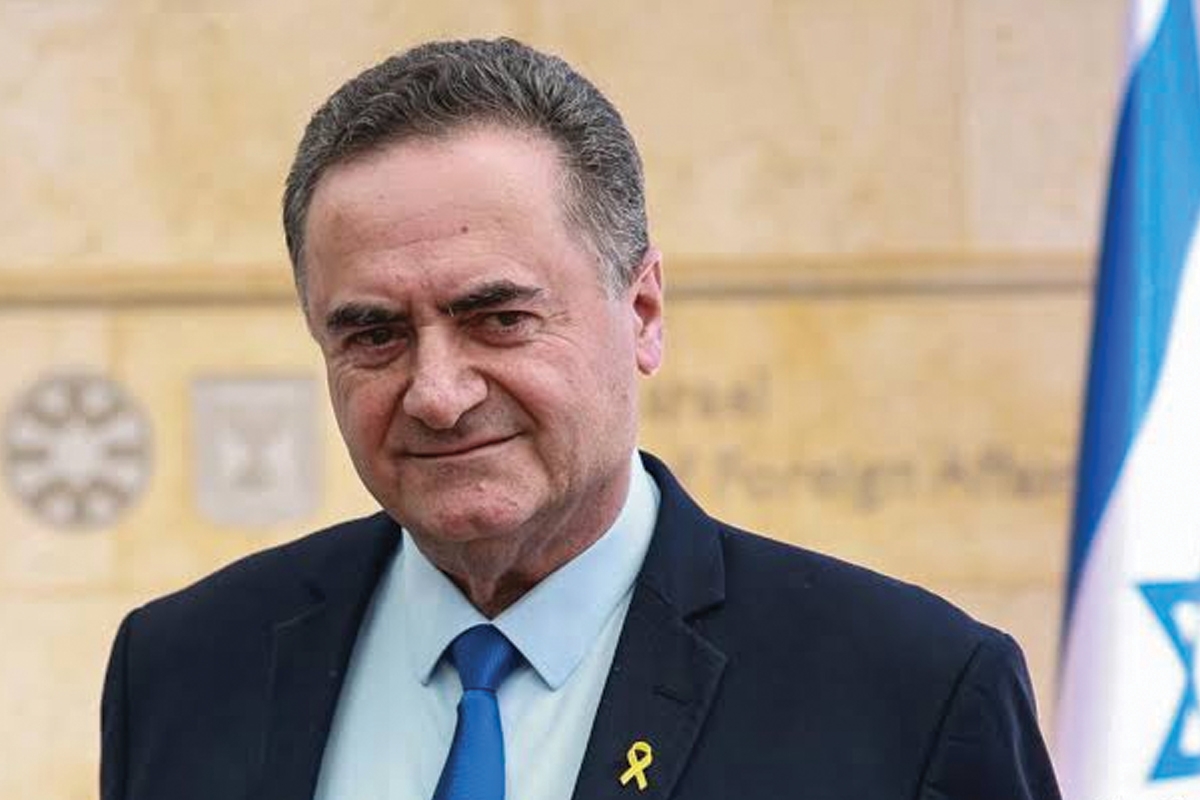
Israeli Security Minister Itamar Ben-Gvir’s visit to southern Lebanon and his orders for the occupation army to remain in place for an extended period were merely indicators of Tel Aviv’s readiness to launch a new milita
Translated by Qiyas from الجريدة — Original source
Israeli Security Minister Itamar Ben-Gvir’s visit to southern Lebanon and his orders for the occupation army to remain in place for an extended period were merely indicators of Tel Aviv’s readiness to launch a new military operation, primarily targeting the Ali al-Tahir, Al-Dabsha, and Al-Tahra hills. This chain of interconnected hills holds strategic significance and is considered by Israelis to be the headquarters of Hezbollah’s military command in the south, hosting senior officers from Iran’s Islamic Revolutionary Guard Corps and fighters of other nationalities.
These hills possess both strategic and symbolic importance. Overlooking the city of Nabatieh, their capture would facilitate entry into the city and surrounding towns. They also overlook Mount Lehaoun and the Apple Region.
The actions the Israelis are undertaking in the eastern sector are being mirrored in the western sector through intensified operations in Majdal Zoun and Al-Mansouriya. Controlling these areas would enable Israeli forces to dominate by fire the road leading to the city of Sidon, thereby rendering the city militarily vulnerable.
Israeli operations clearly signal a rejection of a ceasefire or any concessions to Lebanon, despite all American efforts to salvage negotiations.
It is worth noting that Israelis are working to alter the landscape in the south by opening additional military roads between towns and linking various sites. This points to two key objectives: preparation for a long-term occupation and readiness for any upcoming battle. This is particularly relevant given the widespread belief that Israel will not abandon its demand to dismantle Hezbollah’s military infrastructure in Mount Lehaoun and the Apple Region. Should the Lebanese state fail to take action, the Israeli army will assume responsibility for carrying out the mission.
Furthermore, it is essential to highlight that Israelis have so far carved out five roads connecting areas south of the Litani River to those to the north. These routes could be utilized if Israel decides to expand its military operations in the coming phase.
Ben-Gvir’s visit to southern Lebanon coincided with Israeli leaks indicating that directives had been issued to the Israeli army to prepare for an escalation and intensification of operations in the Ali al-Tahir hills.
The visit also coincided with the arrival of US General Joseph Clerfild in Beirut, where he is working to rescue negotiations. Although Israelis have refused to discuss new experimental zones, Clerfild has sought to persuade officials to participate in the talks and present the experimental zones they wish to implement at a later stage. Discussions are also focused on verification mechanisms, identifying the countries involved, and establishing practical procedures for implementing these verification measures, all of which are expected to be addressed in the eighth round of negotiations.
Clerfild carried numerous Lebanese proposals regarding experimental zones, their implementation, and verification mechanisms. He also reviewed plans for US military involvement in verifying these mechanisms, clarifying that Washington does not intend to deploy ground troops but will instead monitor the situation closely through agreed-upon forces.
He also reviewed reports indicating that Israel has violated the agreement by returning to the western Zour area, obstructing the deployment and movement of the Lebanese army, and continuing its campaign of destruction and bombing. Clerfild is expected to travel to Israel or communicate with Israeli officials regarding the Lebanese proposals and return with responses by Friday.
As for the countries that will be involved in the verification mechanism, Israel prefers that Britain and the United States play the leading role in this matter, and it does not object to Italy’s role either. However, European countries maintain that any role for a European state should be coordinated among the European Union as a whole.
