Health Ministry: Establishment of Two Units for Stem Cell Transplantation and Gene, Cell, and Advanced Therapies for Children
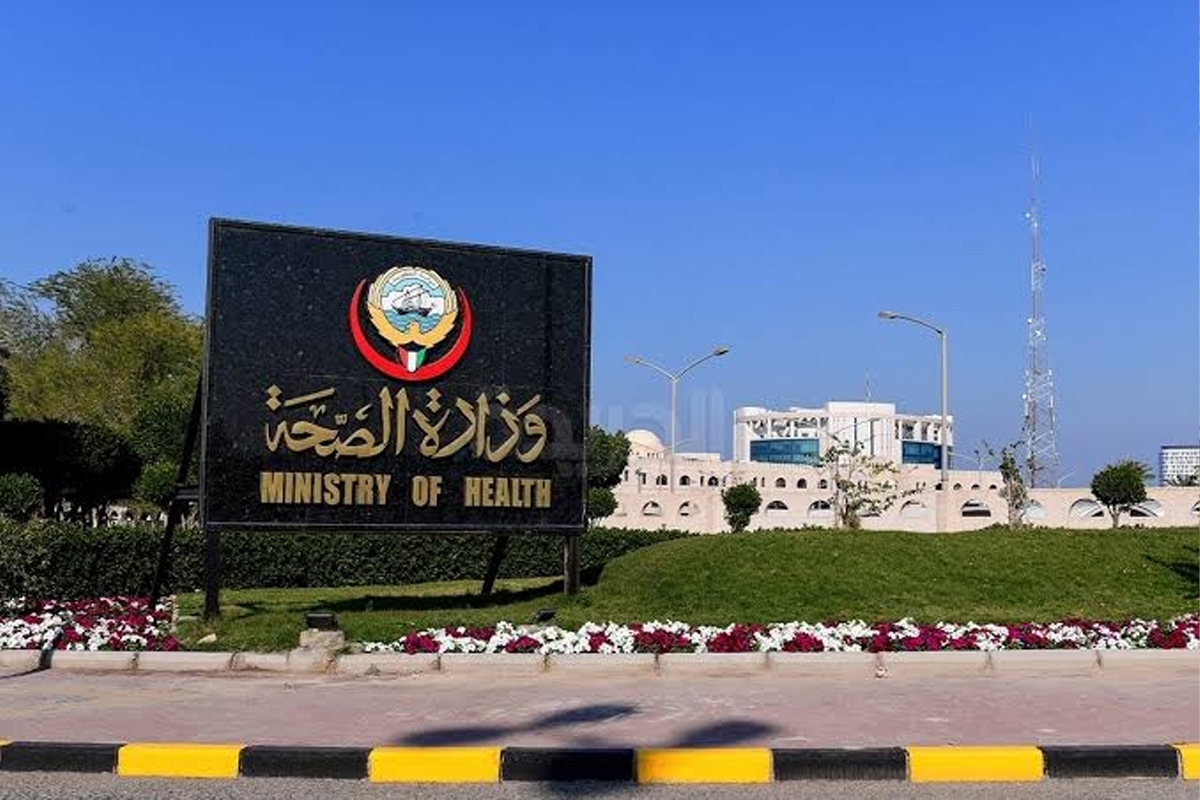
Kuwait’s Minister of Health, Dr. Ahmed Al-Awadi, issued a ministerial decision on Thursday establishing two units for stem cell transplantation, gene therapy, cell therapy, and advanced therapies within the Pediatric Hematology, Oncology, and Stem Cell Transplantation Department at the Kuwait National Hospital for Pediatric Specialized Care.
In a press release, the Ministry of Health stated that the decision mandates the two units to operate with independent regulatory and medical management, ensuring equal regulatory status and equitable sharing of human, technical, and administrative resources. This arrangement aims to guarantee equal opportunities for service delivery and prioritize patient welfare, while the units remain under the umbrella of the Pediatric Hematology, Oncology, and Stem Cell Transplantation Department and the hospital’s administration, in accordance with the approved organizational structure.
The ministry clarified that each unit’s scope of work includes providing all therapeutic services in accordance with the qualifications and professional credentials of the medical staff. These services encompass hematopoietic stem cell transplantation, gene therapy, cell therapy, and advanced therapies, as well as the management of pediatric blood diseases, blood cancers, and tumors, within the scope of their approved specialties and professional qualifications.
The decision further emphasizes that no type of treatment or patient case shall be restricted or monopolized by one unit to the exclusion of the other. This approach enhances service equity and optimizes the use of available expertise and competencies. It also regulates the distribution of new cases, workload, staff, and beds to ensure balance between the two units and the continuity of service delivery.
The decision establishes a clear framework for the continuity of care and medical responsibility, stipulating that patients will be followed up with the unit that initiated their treatment. Each unit will maintain its own outpatient clinics, while the unit designated for triage will receive, assess, and follow up on new cases during its triage rotation, in accordance with the approved mechanism.
Additionally, the decision organizes the utilization of resources and medical staff between the two units. Each unit will be assigned two consultants as permanent members, while first-year residents and other residents will be rotated monthly based on operational needs. Shared utilization of expertise will be made available when required for clinical or operational purposes, ensuring service continuity and patient welfare.
The decision also stipulates the equal allocation of beds in the stem cell transplantation, gene therapy, cell therapy, and advanced therapies ward between the two units, with flexibility in their use when necessary for clinical or operational reasons, under clear guidelines that ensure service continuity and rebalance the distribution of beds and cases.
Finally, the decision reflects the Ministry of Health’s direction toward building a more integrated and sustainable system for advanced therapies for children, enhancing the ability to leverage national expertise and modern therapeutic technologies within a regulatory framework that prioritizes patient safety, care quality, and continuity of care.
