Iran: No progress in efforts to revive the interim agreement to end the war with the US
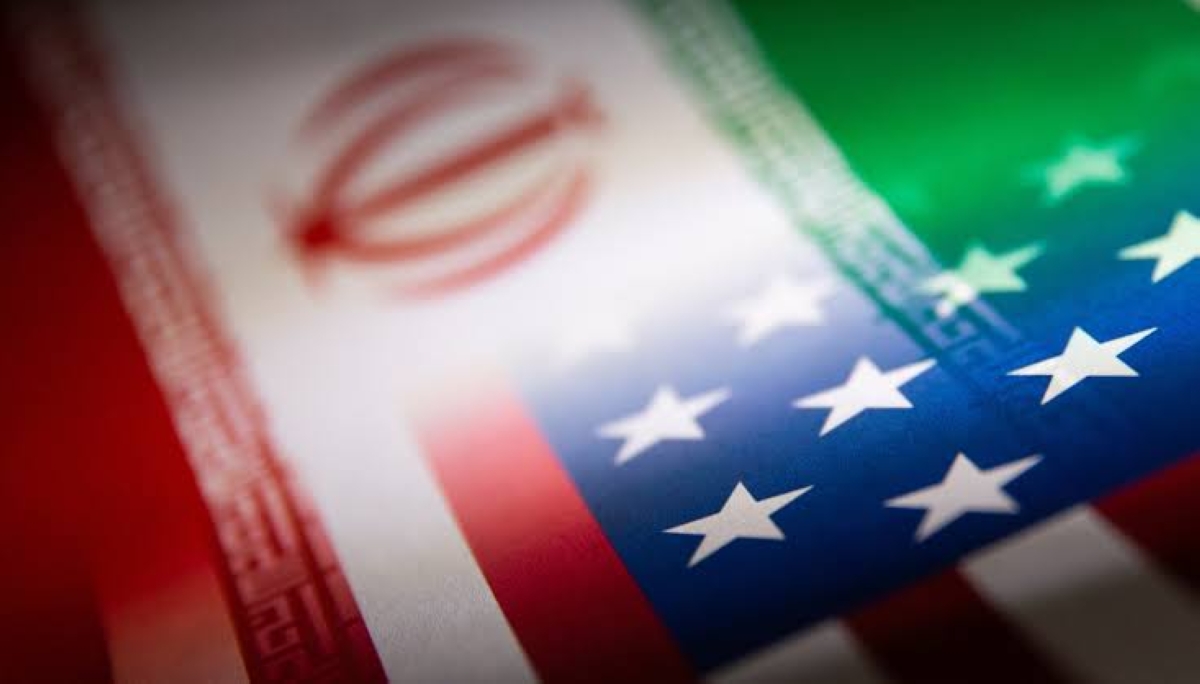
The dispute between Iran and the United States over efforts to reach a deal for a permanent end to the war continued, with a senior Iranian source stating that talks to revive or set a timeline for implementing the tempo
Translated by Qiyas from الجريدة — Original source
The dispute between Iran and the United States over efforts to reach a deal for a permanent end to the war continued, with a senior Iranian source stating that talks to revive or set a timeline for implementing the temporary agreement reached in June had made no progress. This comment dealt another blow to hopes for a swift resolution to the crisis following two attacks on ships in the region on Tuesday, which drove up oil prices.
The June agreement called for the “immediate and permanent cessation of military operations on all fronts,” but it quickly unraveled after U.S. President Donald Trump declared on July 7 that it was “over,” and the Iranian Foreign Ministry announced its suspension a week later.
The United States accuses Iran of failing to fulfill its commitment to open the Strait of Hormuz, while Tehran says Washington has reneged on pledges including lifting sanctions on Iranian ports and releasing frozen Iranian assets.
“The issue being discussed through intermediaries is the return of the United States to the temporary agreement (from which it withdrew) and establishing a timeline for implementing commitments. There has been absolutely no progress on this matter,” the Iranian source said. Trump said on Wednesday, “The United States has full control of the Strait of Hormuz.” However, the Gulf Waterway Management Authority, an entity established by Iran to manage the waterway, said it remained closed and would not reopen unless Iran’s conditions were accepted. Trump posted on his Truth Social platform, “Iran only talks, but there are no actions.” Trump has continued to issue threats of escalation or statements that a peace deal is imminent since the conflict began.
The war has claimed thousands of lives, mostly in Iran and Lebanon, since the United States and Israel launched attacks on Iran on February 28.
Iran has carried out attacks on U.S. assets and infrastructure in countries including Oman, Jordan, Kuwait, Israel, the United Arab Emirates, and Saudi Arabia. The temporary ceasefire agreement reached in June set a 60-day period, extendable by mutual consent, during which Iran and the United States were expected to reach a final deal limiting Tehran’s nuclear program and lifting U.S. sanctions.
The Iranian source denied a report by the Anadolu news agency, which cited Pakistani government sources saying Iran had agreed to extend the 60-day period.
But the source told Reuters, “There is no talk of extension because, from Iran’s perspective, no period has started, and therefore there is nothing to extend. The United States violated the temporary agreement 48 hours after it was reached and withdrew from it a few days later.”
Brent crude futures have surged sharply since the war began in February, reaching a peak of $126 per barrel, roughly 75 percent above pre-war levels, with trading volatility reflecting concerns about oil supply disruptions from the Gulf and mixed signals regarding war-ending talks.
These fears have intensified following two separate attacks on maritime traffic on Tuesday. At the southern end of the Red Sea, four crew members of a small cargo ship were killed in an attack by the Iran-aligned Houthi group at the Bab al-Mandab strait on Tuesday, marking the group’s first attack on ships resulting in fatalities since the latest conflict began.
For its part, the U.S. military said a U.S. Navy MH-60 helicopter fired two Hellfire missiles to disable the guidance equipment of a Panama-flagged cargo ship. The U.S. Central Command stated that the vessel ignored repeated warnings ordering it to cease violating the naval blockade imposed on Iranian ports. Sources in the maritime shipping sector told Reuters that the ship was struck off the coast of Pakistan while en route to the Gulf of Oman. Oil prices rose before settling into volatile trading today, after forecasters lowered their demand projections for 2026. Brent crude futures traded at around $88 per barrel, while U.S. West Texas Intermediate crude traded at approximately $83 per barrel.
