Central Bank: Exclusion of State Assets as Collateral for Bank Loans
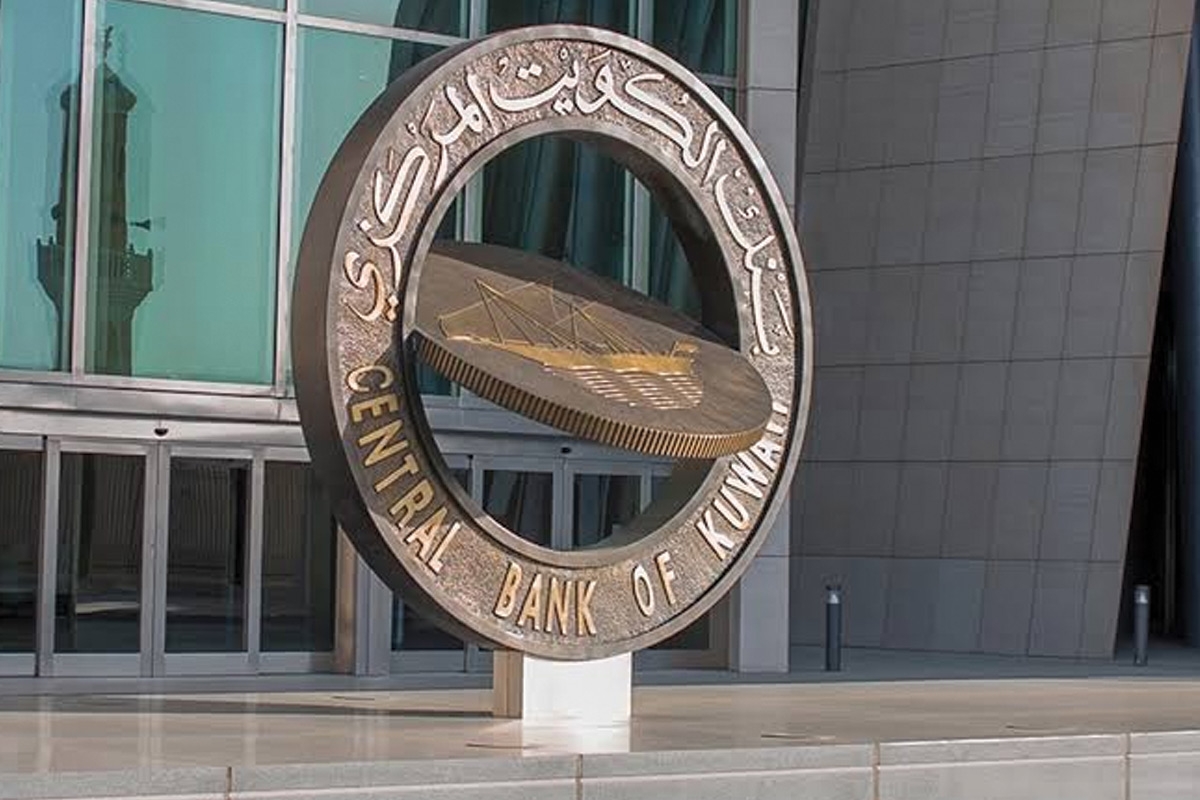
Within the framework of the proactive hedging and conservative policies mandated by the Central Bank of Kuwait and adopted by the banking sector, a new mechanism will be implemented to handle real estate mortgages and collateral classified as state property. It is no longer permissible to accept or classify such assets as collateral against banking facilities or loans.
Amid continuous reviews aimed primarily at minimizing risks, the Central Bank of Kuwait has directed local banks, investment companies, and financing companies to refrain from relying on permits issued for state property as collateral against credit facilities or customer financing, and to exclude them from collateral calculations used to meet relevant regulatory requirements when preparing and submitting periodic reports in the future.
The Central Bank clarified that these directives aim to rationalize and regulate credit and financing policies, emphasizing the importance of considering the nature of collateral provided by beneficiary entities to ensure their ability to mitigate credit risk and their executability and liquidity when needed.
The Central Bank stressed the importance of conducting a comprehensive assessment of existing credit facilities granted against such collateral, if any, within the framework of prudent practices, and evaluating the need to provide additional acceptable collateral within a sufficient period, in accordance with instructions issued regarding the rationalization and regulation of credit and financing policies.
Banking sources confirmed that banks have already implemented prior hedging measures in this regard, emphasizing that no facilities are granted against vacant land permits. Instead, consideration is given to the facility located on the land, its operational nature, and its cash flows. For example, productive and revenue-generating factories are treated differently; there is a clear distinction between the facility as a value and the land as state property.
Sources stated that in other cases, some companies had previously included these real estate assets in their general assets, thereby aggregating them in the balance sheets of certain companies. Such cases will require a review of collateral values after excluding the value of real estate assets designated as state property.
The sources added that state property has long been recognized as a usufruct right; therefore, it cannot be accepted alone or as a sole or primary asset in mortgage and collateral equations. They noted that the banks’ caution and prior hedging in technically and accurately assessing this matter render the directives mandatory, transforming them into fixed principles within regulatory guidelines.
