The trial of Tupac's killer: Who is the accused? What is the evidence? And what happens next?
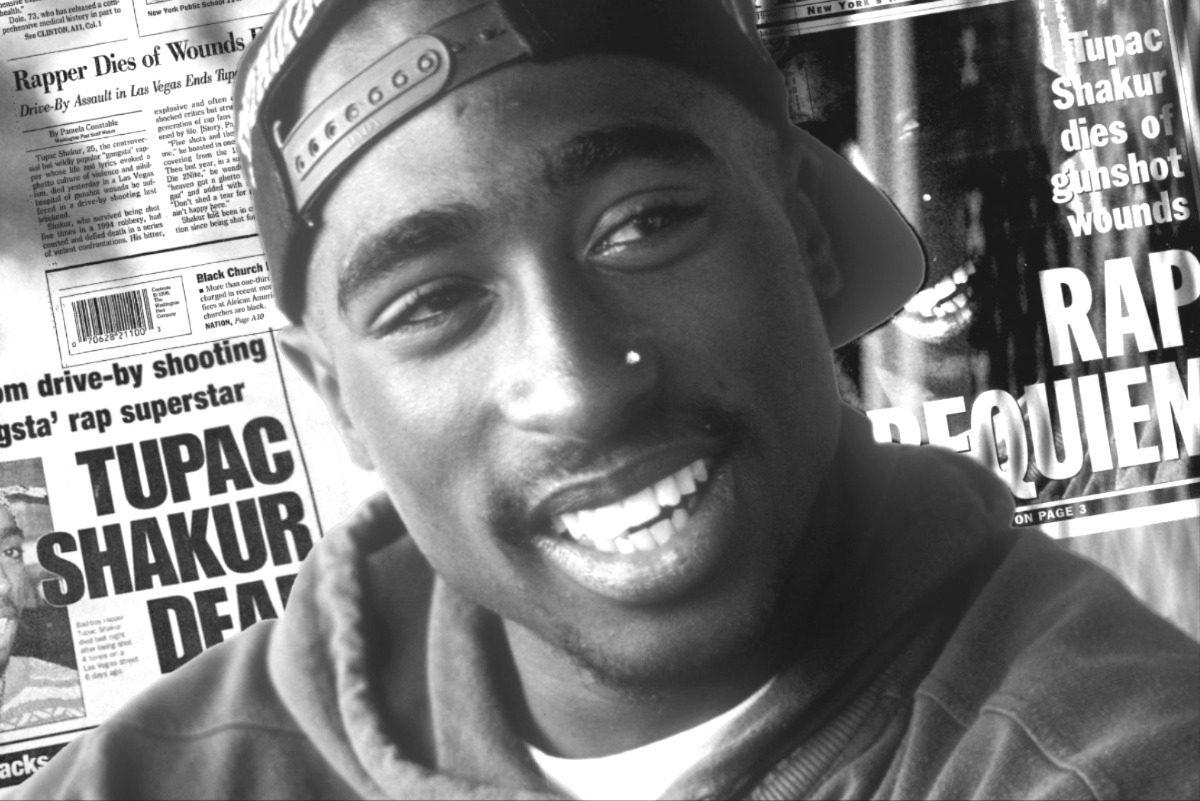
Nearly 30 years after the fatal shooting of American rapper Tupac Shakur in Las Vegas, Nevada, the only person charged in connection with the case is set to stand trial.
Jury selection for the trial of Duane Keith Davis, known as "Keffe D," is scheduled to begin on Monday and is expected to last approximately two weeks.
Davis, 63, has pleaded not guilty to one count of first-degree murder with a deadly weapon, committed for the purpose of promoting, supporting, or assisting a criminal gang, in connection with Shakur’s death.
Prosecutors do not allege that Davis fired the shots himself. Instead, they argue that he organized the retaliatory attack, obtained the weapon, and passed it to the back seat of the car used in the shooting.
Under Nevada law, a person can be held criminally liable for knowingly assisting in the commission of a crime, even if they did not carry out the final act themselves. If convicted, Davis faces a sentence of life imprisonment without the possibility of parole.
Shakur, one of the most influential figures in hip-hop music during the 1990s, had attended the heavyweight boxing match between Mike Tyson and Bruce Seldon at the MGM Grand Hotel in Las Vegas on September 7, 1996.
He later departed in a black BMW driven by Marion "Suge" Knight, co-founder of Death Row Records. Around 11:15 p.m., a white Cadillac stopped alongside the BMW at a traffic light near Las Vegas Boulevard, before someone inside opened fire.
Shakur was shot four times and died six days later in a hospital at the age of 25, while Knight was injured but survived.
To date, the murder weapon and the white Cadillac used in the shooting have not been recovered.
Hotel surveillance footage shows Shakur, Knight, and several members of their entourage assaulting Orlando Anderson, Davis’s nephew, near the hotel elevators.
Anderson was affiliated with the South Side Compton Crips gang, while Knight and members of the Death Row entourage had ties to the rival Bloods gang.
Prosecutors allege that Davis obtained a handgun and joined Anderson, DeAndre Smith, and Terrence Brown in the Cadillac in search of Shakur and Knight.
Authorities long suspected Anderson was the shooter, but grand jury testimony identified Smith as the gunman.
Anderson denied involvement in the crime and was never charged. He was killed in a gang-related shootout in Compton in 1998; police at the time stated the incident was unrelated to Shakur’s murder.
The prosecution’s case is expected to rely heavily on Davis’s own accounts of the shooting.
Davis has discussed Shakur’s death in interviews with police, in documentaries, and in various media outlets, and addressed the case in his 2019 memoir, "Compton Street Legend."
In the book, he claimed he was inside the Cadillac and obtained the weapon before passing it to the back seat, but he did not identify the person who fired the shots.
Other evidence includes hotel recordings that prosecutors say demonstrate a potential motive, testimony from individuals with gang affiliations, and items seized by authorities during a search of Davis’s wife’s home in 2023.
A Nevada judge has allowed prosecutors to use Davis’s memoirs and a 2008 police interview in which he discussed the case.
Knight, whom the prosecution describes as the only other surviving witness to have seen the shooting, was also added to the list of potential witnesses. Knight is currently serving a 28-year prison sentence in California for a separate fatal hit-and-run incident, and had previously stated he would not testify in Davis’s trial.
Davis’s defense maintains his innocence, asserting that he was not in Las Vegas when Shakur was shot. The defense is expected to focus on the lack of physical evidence, including the absence of any disclosed forensic evidence linking Davis to the crime scene.
Earlier, the defense had moved to dismiss the case, partly citing a prior cooperation agreement that, according to them, protected certain of Davis’s statements from being used against him.
Investigators were able to identify several individuals connected to the shooting early in the probe, but they struggled to gather sufficient admissible evidence to bring charges. Witnesses were reluctant to cooperate with authorities, and neither the firearm nor the vehicle used in the crime was recovered. Anderson, Smith, and Brown later died, along with other potential witnesses.
Davis spoke with investigators under a cooperation agreement in 2008, which later led to a legal dispute over whether his statements could be used against him.
The case gained momentum after Davis publicly reiterated his account in media interviews and his memoirs. In July 2023, police searched the home of his wife in Henderson, Nevada, before arresting him two months later.
The defense argues that the delay prejudiced Davis’s right to a fair trial due to the deaths of witnesses and the disappearance of evidence. However, the judge concluded there was no evidence that the prosecution intentionally delayed the case to gain a trial advantage.
Shakur’s murder occurred amid the rivalry between the East and West Coasts of the United States in hip-hop music, which included Death Row Records and New York-based Bad Boy Records.
However, the prosecution’s case focuses on gang-related retaliation stemming from the assault on Anderson, rather than the broader music industry feud.
The trial will determine whether Davis’s statements, witness testimony, and circumstantial evidence are sufficient to prove his guilt beyond a reasonable doubt.
A conviction of Davis would not necessarily identify the person who fired the fatal shots. Rather, it would mean that the jury was convinced he knowingly organized or assisted in the attack, thereby bearing legal responsibility for Shakur’s death.
