Al-Zaidi tightens the grip and factions back down from retaliation
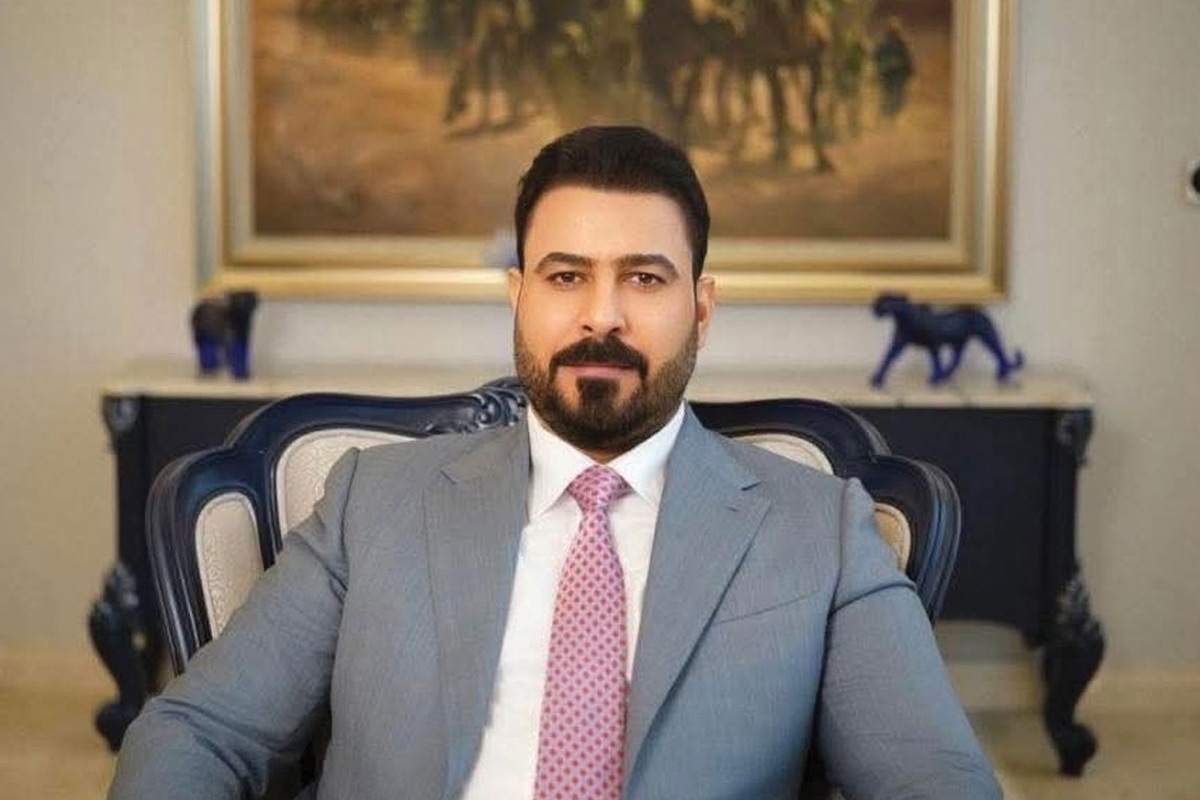
As Baghdad intensified its communications with neighboring countries and international powers to affirm that its territory would not be used to threaten the security of any other state, Iraqi Prime Minister and Commander-in-Chief of the Armed Forces, Ali al-Idabi, tightened his grip on the security file, in an effort to prevent his country from sliding into a regional confrontation. This comes amid a retreat by armed factions from the military retaliation they had threatened following Saudi-US preemptive strikes.
Idabi renewed his government’s commitment today to preventing the use of Iraqi territory to threaten the security of neighboring states, while simultaneously affirming Baghdad’s adherence to a policy of balanced relations with regional countries and recourse to dialogue in addressing regional and international issues.
During a phone call with French President Emmanuel Macron, he stated that his government is keen on protecting Iraq’s security, sovereignty, and the interests of its people, and on ensuring that the country’s territory is not used as a launching point for any activities targeting neighboring states, in line with its commitment to the principles of good neighborliness and respect for state sovereignty.
According to an Iraqi statement, the Prime Minister emphasized the importance of Iraqi-French relations, inviting Macron to visit Baghdad and underscoring his government’s desire to build a sustainable economic and investment partnership with France.
He said that Iraq is working to enhance its stability and transform its strategic location and resources into foundations for economic and political strength, positioning itself as a vital link in international trade routes.
Idabi noted that September 30 marks the deadline for the withdrawal of international coalition forces from Iraq, considering that the end of the coalition’s mission will provide Baghdad with a broader scope to focus on construction, development, supporting economic growth, and improving the living standards of Iraqis.
For his part, Macron expressed appreciation for the steps taken by the Iraqi government, reaffirming France’s support for Baghdad’s efforts to combat corruption and implement economic reforms, alongside continued cooperation in counter-terrorism and enhancing the capabilities of the Iraqi Armed Forces.
This shift comes as Baghdad intensifies its regional communications to solidify its stance against the use of Iraqi territory for any actions targeting neighboring states, while simultaneously strengthening security coordination with relevant countries.
Yesterday, Idabi received the head of Saudi Arabia’s General Intelligence Presidency, Khaled al-Humaidan, and his accompanying delegation, who conveyed a message from the Saudi leadership renewing the invitation for the Iraqi Prime Minister to visit Riyadh, as well as discussing regional security developments and ways to enhance coordination between the two countries.
During the meeting, Idabi reaffirmed his government’s commitment to consolidating cooperation with Saudi Arabia in a manner that serves shared interests and supports regional security and stability, reiterating Baghdad’s position rejecting the use of Iraqi territory as a launching point for any actions or activities affecting any other state.
Both sides agreed to continue security coordination and information exchange between competent authorities, thereby enhancing the capacity to address security challenges and take appropriate measures within legal frameworks, while avoiding the risks of escalation in the region.
This comes amid Baghdad’s concerns that the repercussions of regional escalation could spill over into Iraqi territory, and the possibility that armed factions might launch a military response to strikes targeting Popular Mobilization Forces headquarters, which could place the government under a difficult test regarding its ability to monopolize the decision-making power over war and peace.
In this context, Hadi al-Amiri, Secretary-General of the Badr Organization, called on armed factions to postpone any retaliation in a video statement, emphasizing that Iraq’s interests required caution and pledging to pursue the rights of martyrs and the wounded through diplomatic channels. The factions later announced the postponement of the planned response, without abandoning their stance rejecting what they described as an attack on Iraq.
