LABA Concludes the "Fashion Lab" Theater Workshop
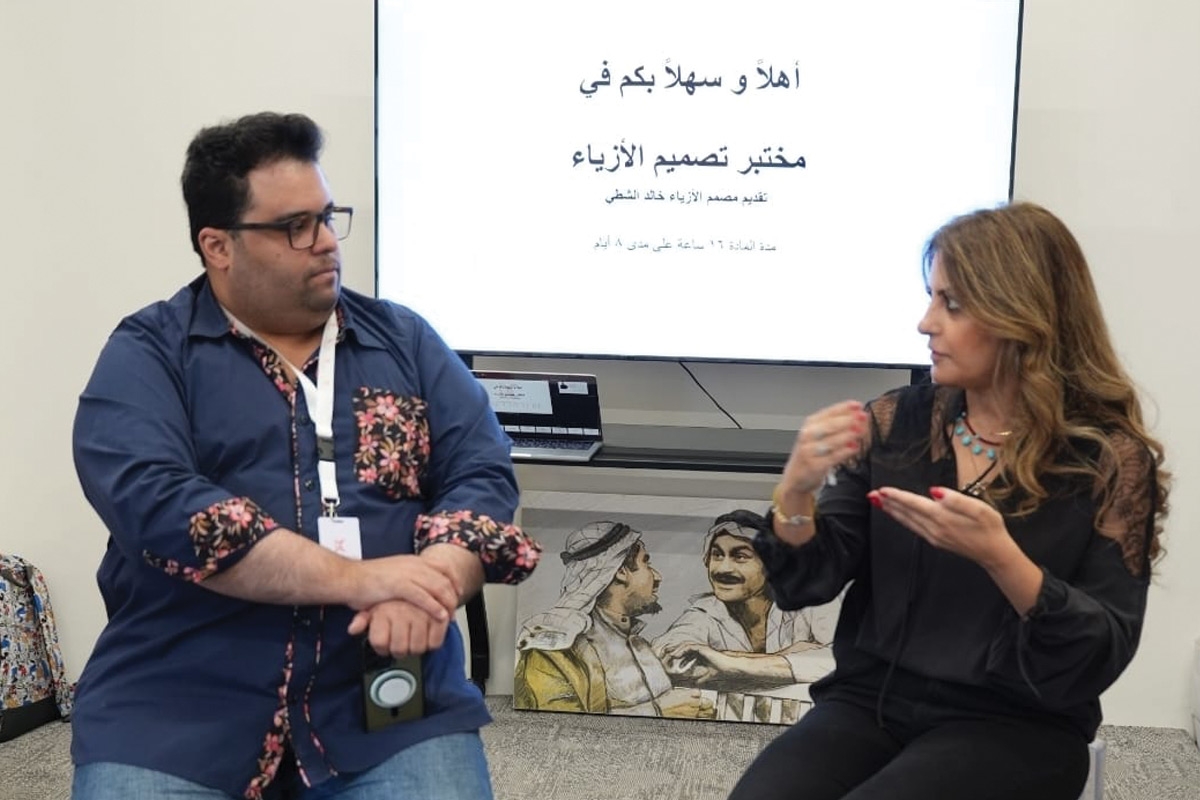
Loyak Academy for Performing Arts (LAPA) has concluded its “Fashion Lab” workshop, a specialized course in theatrical costume design presented by costume designer Khaled Al-Shatti. The month-long program aimed to equip participants with the fundamentals of theatrical costume design through a curriculum that integrated theoretical and practical aspects, ranging from reading and analyzing scripts and characters to conducting historical research, culminating in costume designs aligned with a cohesive dramatic vision.
The workshop concluded with a showcase of final projects, where trainees presented designs inspired by the characters of “Ali Baba and the Thieves,” drawing on the Abbasid era. This followed a comprehensive training journey that included creating mood boards, designing silhouettes, sketching on mannequins, and developing final designs.
The closing ceremony was attended by a distinguished group of artists and specialists, including writer and director Hadi Al-Hadi, theatrical costume designer Eman Al-Saif, theatrical makeup designer Rawaa Mubarak, and costume designer Hessa Al-Mutairi. They reviewed the final projects and praised the high standard achieved by the program’s graduates, commending the quality of the work and the methodology employed by the Fashion Lab in building design thinking and linking historical research to theatrical design.
Al-Shatti clarified that the objective of the Fashion Lab extended beyond merely teaching costume sketching; it aimed to prepare designers capable of reading theatrical scripts, analyzing characters, researching historical references, and translating these elements into designs that serve the dramatic and aesthetic needs of the stage production. He emphasized that building design thinking constitutes the true foundation for any successful experience in theatrical costume design.
For her part, Sherin Hajji, Drama Trainer and Director at LAPA, affirmed that the “Fashion Lab” is among the training programs that achieved exceptional results within a short timeframe. She noted that participants demonstrated significant progress in their work due to the professional methodology adopted by Khaled Al-Shatti, which combined conceptual simplification with practical application.
She added that the program went beyond teaching the basics of costume design; it contributed to building a comprehensive understanding of how to read, analyze, and transform characters into visual visions that serve the theatrical production. This was clearly reflected in the quality of the final projects and the participants’ confidence in presenting their ideas.
Hajji praised Al-Shatti’s expertise and passion for imparting knowledge, as well as his dedication to monitoring trainees and providing guidance and support throughout the program. She confirmed that this level of professionalism was one of the key factors behind the success of the initiative.
In conclusion, Hajji expressed her hope for continued collaboration between LAPA and costume designer Khaled Al-Shatti through the launch of more specialized programs and partnerships, highlighting the intellectual and creative value of such initiatives in developing talent and elevating the artistic standards of participants.
