Iran's Conditions Hinder Implementation of the 'Hormuz Arrangements'
Amid expectations of an imminent announcement of a preliminary agreement between Iran and the Sultanate of Oman regarding a jointly managed shipping route in the Strait of Hormuz, the conditions Tehran has set for implem
Translated by Qiyas from الجريدة — Original source
Amid expectations of an imminent announcement of a preliminary agreement between Iran and the Sultanate of Oman regarding a jointly managed shipping route in the Strait of Hormuz, the conditions Tehran has set for implementing the anticipated understanding are beginning to hinder the arrangements for its announcement, casting doubt on the agreement’s feasibility for practical implementation.
According to information from “Al-Jarida,” an official announcement was expected yesterday from Tehran and Muscat regarding the agreement that would temporarily regulate navigation in the strait. However, Tehran has demanded prior U.S. guarantees concerning the lifting of the naval blockade imposed on it, as well as an end to attacks and threats, in order to implement the agreement. Additionally, Iran insisted on closing the southern passage that runs along the Omani coast, prompting further caution in making the announcement.
A source close to the Iranian negotiating team, speaking to Fars News Agency, affiliated with the Islamic Revolutionary Guard Corps, stated that the strait would not be opened unless Washington reversed what it considered U.S. violations of the “Islamabad Memorandum” and the disruption of traffic in “Hormuz.”
Meanwhile, some other parties had hoped the agreement would serve as a gesture of goodwill or a platform for returning to the implementation of the memorandum signed between Washington and Tehran, which includes a clause calling for a cessation of hostilities.
Abbas Kadourzi, spokesperson for the Presidium of the Iranian Parliament, considered that sovereignty over the waterway represents a priority for Tehran that even surpasses the nuclear program, and that any infringement on it would threaten the regime’s vital interests.
Meanwhile, Hussein Shariatmadari, editor-in-chief of the hardline Kayhan newspaper, commented on reports about the imminent conclusion of an understanding with Oman regarding the closure of the northern and southern passages and the opening of a central route in the strait, stating that opening “Hormuz” means “paving a way for the enemy’s escape.”
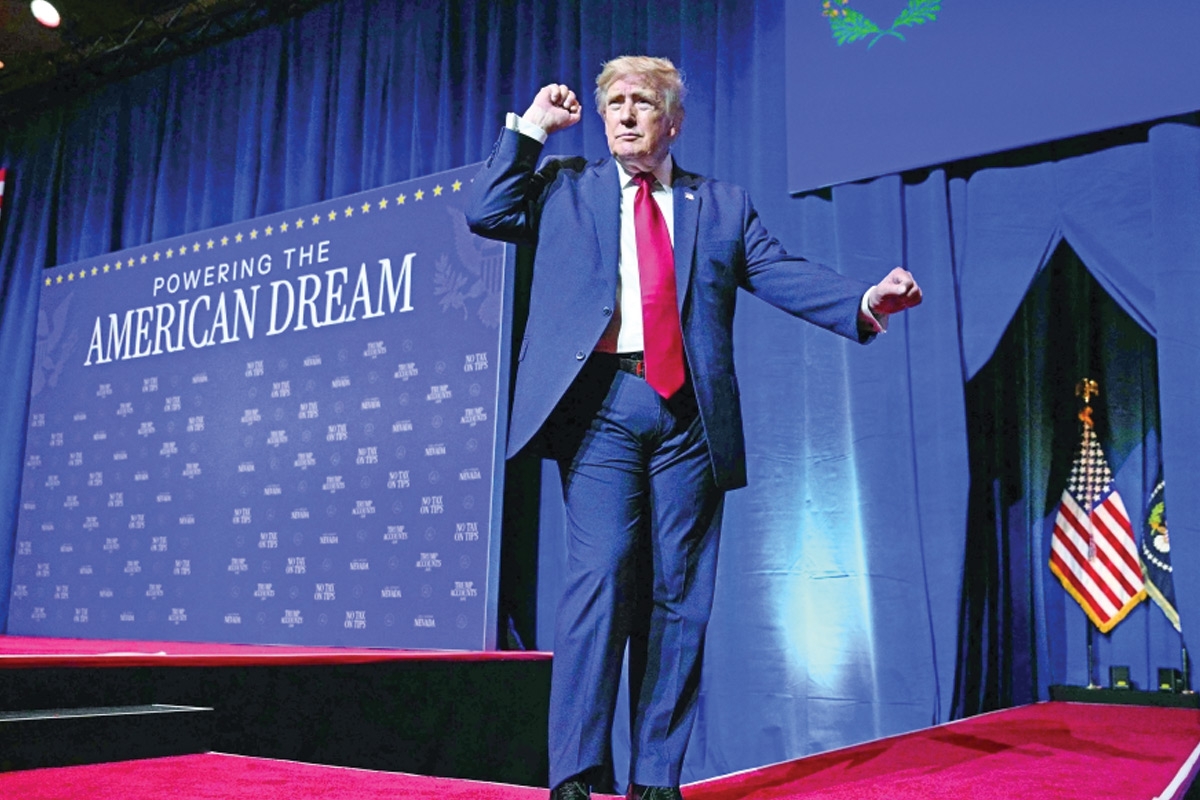
On the other side, U.S. President Donald Trump reiterated that he prefers reaching an agreement with Iran, but stressed that “the use of force remains an option” if the diplomatic track fails.
Trump affirmed that the United States possesses “massive” quantities of ammunition, hinting at legal action against those who claim otherwise, following a journalistic report about a shortage of supplies and a dispute with Defense Secretary Pete Hegseth over the war with Iran.
Amid expectations of an imminent announcement of a preliminary agreement between Iran and the Sultanate of Oman regarding a jointly managed shipping route in the Strait of Hormuz, the conditions Tehran has set for implementing the anticipated understanding are beginning to pressure the arrangements for its announcement, casting doubt on the agreement’s feasibility for practical implementation.
The Iranian Foreign Ministry announced the day before yesterday that Iran and Oman had agreed on a route for ship passage in the strait and were putting the final touches on an agreement to jointly manage the transit traffic.
The official Iranian News Agency (IRNA) quoted the ministry’s spokesperson, Esmail Baghaei, as saying: “The geographical coordinates of the route envisioned by both sides have been agreed upon, and if certain third parties do not obstruct the process, the joint statement of the two countries, which includes the main considerations and points of agreement, is also in the final stage of review and drafting.”
According to information from “Al-Jarida,” an official announcement was expected from Tehran and Muscat regarding the agreement, but Tehran demanded U.S. guarantees concerning the lifting of the naval blockade imposed on it and an end to attacks and threats in order to implement the agreement, which led to caution in making the announcement.
Abbas Kadourzi, spokesperson for the Presidium of the Parliament, considered that sovereignty over the waterway represents a priority for the Islamic Republic that even surpasses the nuclear program, and that any infringement on it would threaten the regime’s vital interests.
A source close to the Iranian negotiating team, speaking to Fars News Agency, affiliated with the Islamic Revolutionary Guard Corps (IRGC), affirmed that the strait would not be reopened unless Washington reversed what it deemed American violations of the “Islamabad Memorandum” and disrupted traffic in the “Hormuz” strait.
Meanwhile, Kheimeh’s hardline editor, Hossein Shariatmadari, commented on reports suggesting that an understanding with Oman was nearing completion, involving the closure of the northern and southern routes and the opening of a central corridor in the strait, stating that opening “Hormuz” means “paving a way for the enemy’s escape” and would eliminate one of Iran’s most significant leverage cards.
Bahnam Saeidi, secretary of the Parliamentary National Security Commission, emphasized that Iran’s negotiations with the Sultanate of Oman concern only the determination of navigation mechanisms and ship routes in “Hormuz.”
In the meantime, IRGC Commander Ahmad Vahidi affirmed that Tehran would not discuss the issue of enriched uranium or nuclear weapons in any negotiations, reiterating that his country would continue its nuclear program as long as the United States and Israel possess nuclear weapons.
Reports had indicated that the only meeting between the two men took place in the backseat of a car, and that Beshkian was unable to see Mojtaba due to the darkness, adding that he informed his aides he was unsure whether he had actually met the son of the late Iranian Supreme Leader.
For his part, the US President stated that he preferred reaching an agreement with Iran “because I don’t want to kill people,” but he affirmed that “the use of force remains an option” should the diplomatic track fail.
Trump affirmed yesterday that the United States possesses “massive” quantities of ammunition, hinting at legal action against those who claim otherwise, following a journalistic report on ammunition shortages and a dispute with Defense Secretary Pete Hegseth over the war with Iran.
The Republican president condemned these reports via his platform, Truth Social, stressing that Washington has “massive quantities of ammunition, especially of certain types,” without providing further details.
He added: “In addition, large quantities (of ammunition) are being manufactured and shipped to the United States as needed. Defense companies are building more factories and facilities than ever before in our country’s history.”
The Washington Post had published, on Wednesday evening, a report stating that Trump asked the Defense Secretary to clarify the ammunition shortage during a government meeting held at the presidential Camp David resort on Friday.
The Washington Post also noted that this shortage prompted Trump to back off from executing new strikes against Iran, despite his threats to strike the Islamic Republic with force.
Trump launched a sharp attack on these reports, considering the leaks as “treason,” and threatened their sources with prosecution and efforts to secure “long prison sentences.”
Pentagon spokesperson Sean Barnell also stated that reports regarding the ammunition shortage and the disagreement between Trump and Hegseth were “equally imaginary.”
Meanwhile, Vice President JD Vance viewed negotiations to reach an agreement with Iran as complex and time-consuming, adding that “the Iranians are extremely difficult people to deal with, and they have a divided system.”
He said: “Our mission is to deal with that and achieve the best outcome for the American people, as well as for the President of the United States, even though we are still halfway through.”
