4 Reasons Behind the Syrian Army's Declaration of 'Maximum Readiness'
Information regarding the Syrian army raising its alert status to maximum readiness along the borders with Iraq and Lebanon has sparked various interpretations, particularly linking the move to regional developments in light of the Iranian war and Tehran’s efforts to mobilize its proxies in the region.
Yesterday evening, official Syrian military sources reported that the Ministry of Defense issued orders to raise the alert level to “maximum readiness,” recalling personnel to their units urgently and deploying significant reinforcements toward the Iraqi border. This was accompanied by the redeployment of forces around Bu Kamal and the movement of other units toward the Lebanese border.
Data suggests this mobilization is linked to four main reasons. The first is the restructuring of the military institution and bringing all armed formations under the authority of the Ministry of Defense. Military sources and the Syrian Observatory for Human Rights revealed disagreements with the commanders of several factions, most notably Muhammad al-Jasim, known as “Abu Umsha,” commander of the 62nd Division, after he refused to execute orders transferring several brigade and battalion commanders under his command to other formations, as well as orders to redistribute influence centers within his division.
According to sources, coinciding with a meeting in Damascus between President al-Sharaa and QSD commander Mazloum Abdi, the Ministry of Defense held an extended security meeting until dawn today between army leadership and commanders of the 62nd, 74th, and 76th Divisions to discuss objections to the restructuring plan and contain the crisis. This followed the refusal of several commanders to reduce their powers or change the brigades and branches under their command, as they viewed such moves as infringing on their influence within the military institution.
According to information, the meeting ended without a final resolution, with consultations continuing and an additional deadline granted to reach a settlement ensuring the implementation of the reorganization process without sliding into internal confrontation.
The second reason relates to the file concerning the dissolution of QSD. The state of alert came shortly after the meeting between al-Sharaa and Abdi, aimed at discussing the completion of implementing an agreement to integrate these forces into state institutions and follow up on arrangements to extend government authority over northern and eastern Syria.
These developments follow talks held by Kurdistan Region President Nechirvan Barzani with al-Sharaa, as part of regional and international efforts to advance the settlement process.
Informed sources noted that Damascus seeks to fully unify the military institution by integrating QSD in exchange for ending other military formats, most notably what is known as the “National Army.” This explains the insistence of some faction commanders, led by Abu Umsha, in refusing to dissolve their formations or reduce their influence.
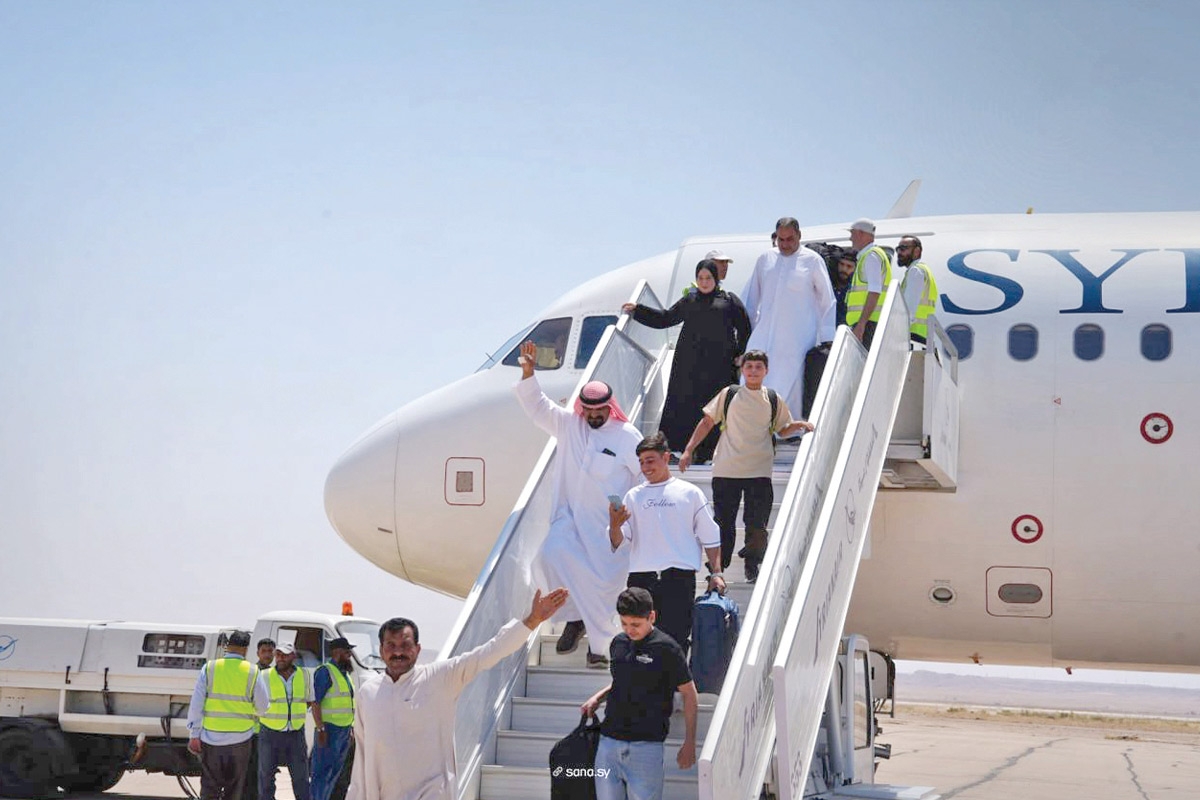
The third reason is linked to Deir ez-Zor governorate, which is witnessing significant security and logistical changes with the opening of its airport to commercial flights for the first time in 14 years. This step provides the al-Sharaa government with a new strategic outlet to support the governorate and strengthen its administrative, military, and economic presence in eastern Syria. This requires tightening security measures along the border with Iraq, particularly in the Bu Kamal area, to ensure the stability of supply lines and secure air and transport movements in the region.
The fourth reason concerns developments on the Iraqi side of the border. The Syrian movements coincide with increased activity by Popular Mobilization Units factions in border areas. Reports indicate that some factions are conducting redeployments and reinforcements under Iranian directives to monitor developments in eastern Syria and keep pace with efforts to rearrange the security landscape there.
Despite Iraqi Border Forces Commander Lieutenant General Mohammed Al-Saadi’s insistence that conditions along the border are normal and that Syrian movements are conducted in full coordination with Baghdad and do not reflect any security threat, the coincidence of these movements with the redeployment of Syrian forces highlights the strategic sensitivity of the border strip shared by the two countries.
