FAO: The World Will Face a New Wave of Rising Food Prices
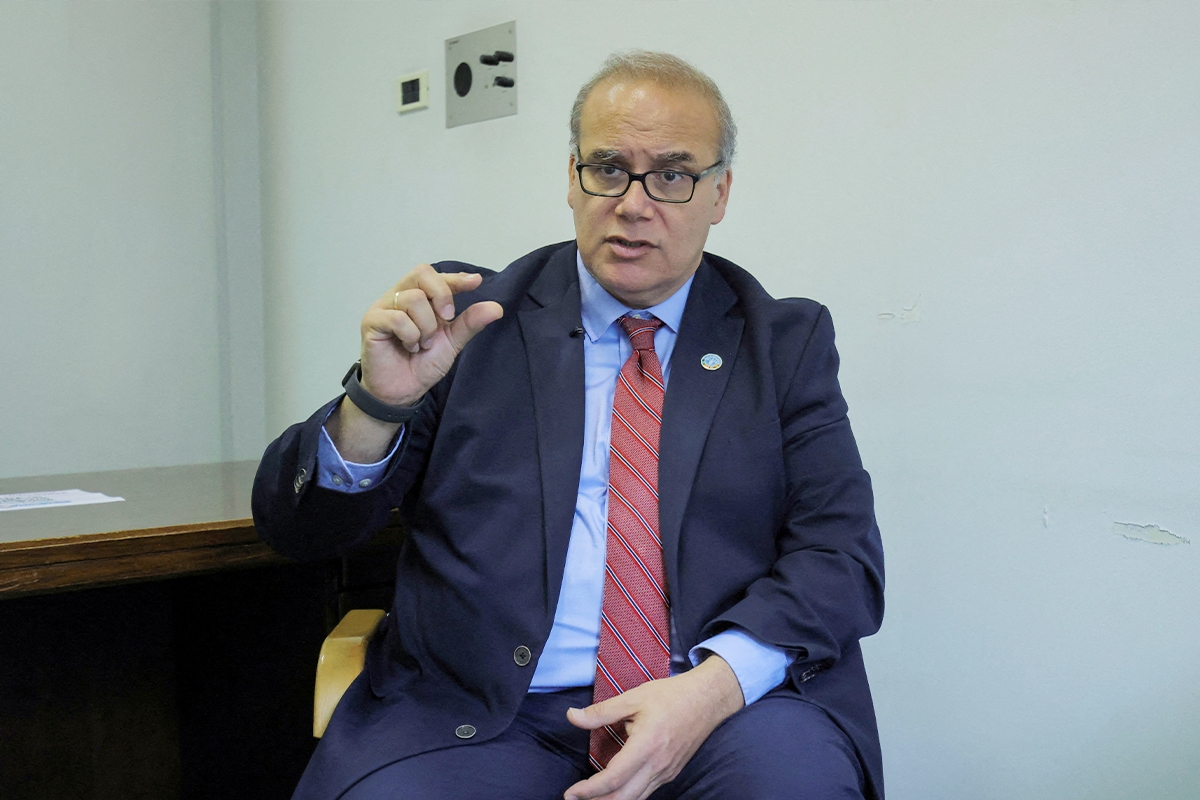
Maximo Torero, chief economist at the Food and Agriculture Organization of the United Nations (FAO), said the world is on the brink of a new wave of food price inflation, as the wars in Iran and Ukraine, alongside the El Niño phenomenon, are factors that set the stage for rising costs and declining crop yields.
Food prices were one of the main drivers of global inflation in 2022, but they have remained relatively stable so far this year, even helping to cushion some of the increases driven by higher energy costs.
However, this calm is likely to be temporary due to factors such as rising crude oil prices, fertilizer shortages from the Gulf region, diesel shortages in parts of the world, and adverse weather conditions. These factors will affect costs that will eventually be reflected in consumer prices, even if there is a delay.
Torero told Reuters in an interview, “I expect a larger increase in commodity prices to begin now... and food prices will start rising by the end of the year, and they will certainly rise further next year.”
He added, “It takes between three to six months for the impact to transmit from commodities to final food prices.”
Despite the rise in prices of some commodities, such as wheat, corn, and rice, in recent months, most of them still reflect relatively good harvests and not the potential difficulties of next year.
Torero said, “The Strait of Hormuz represents a problem that affects all agricultural inputs and systems... Brent crude because it is used in pumping, packaging, processing, and transportation, and natural gas because it is used in fertilizer plants.”
Additionally, damage inflicted by Ukraine on Russia’s oil and gas infrastructure has reduced the export market for diesel and natural gas, both of which are key inputs in food production.
Because commodity prices are global, hardship occurs around the world even if richer countries have greater liquidity to support producers.
Global wheat and corn planting already declined in the first three months of the US war on Iran, and some US producers switched to growing soybeans because they require less fertilizer.
The El Niño climate phenomenon is likely to be very strong this year, leading to significant changes in rainfall patterns that will likely affect commodity prices and push tens of millions into a state of acute food insecurity.
The monsoon season in India has already been delayed, and rainfall this month is expected to be below average, which could harm rice production and, in turn, affect global commodity prices.
