How did the US Treasury turn the yen crisis into an opportunity for the dollar?
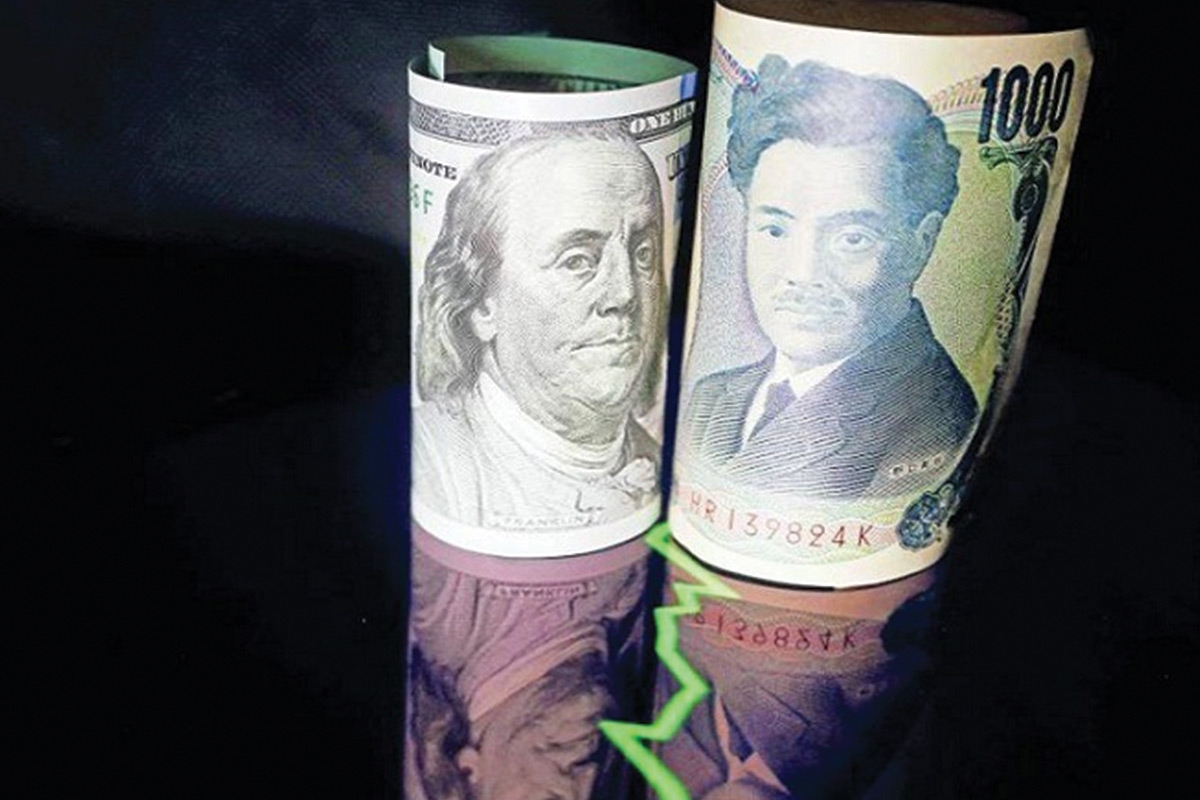
In a rare coordination, Washington participated in an intervention aimed at supporting the Japanese yen for the first time since 1998, after the Japanese currency fell to its lowest level in four decades.
The United States did not delay its response to Japan’s request for assistance. However, the ingenuity of a financial instrument created by the U.S. Federal Reserve allowed it to benefit even from severe turbulence in global foreign exchange markets.
In 2020, the United States established a mechanism to alleviate pressure on U.S. Treasury securities during the coronavirus crisis, known as the “FIMA Repo” facility, an acronym for the Foreign and International Monetary Authorities Repo Facility. Created by the U.S. Federal Reserve in March 2020 during the pandemic and made permanent in July 2021, the tool provides dollar liquidity to foreign central banks and international monetary authorities without requiring them to sell their holdings of U.S. Treasury securities in the open market.
During crises, governments may be forced to dispose of non-essential assets to protect core and existential holdings. Consequently, they may rush to sell foreign investments to defend their currencies amid turmoil. This scenario could have unfolded for the largest foreign holder of U.S. Treasury securities. According to market observers, as the crisis prolonged and efforts to contain the yen’s decline failed, Japan might have resorted to selling a significant portion of its U.S. Treasury holdings and injecting large amounts of dollars to halt the collapse.
Rapid, close-proximity sales of U.S. Treasury securities would have posed a new obstacle, raising financing costs for the already bloated U.S. Treasury and accelerating the breach of the debt ceiling. Such actions would also have sent a violent shock through the dollar’s exchange rate, thereby fueling inflation in the United States.
The mechanism involves an agreement to repurchase the securities after a short period (typically within one day or seven days).
When Japan uses the FIMA Repo facility, it does not receive dollars for free; rather, it borrows them by pledging U.S. Treasury securities as collateral and pays interest (the Repo Rate) to the Federal Reserve for the duration of the transaction. Thus, there is a financing cost borne by Japan or any central bank that utilizes the facility.
