Ministry of Commerce: 15 violations in the classification for prohibiting cash transactions during July
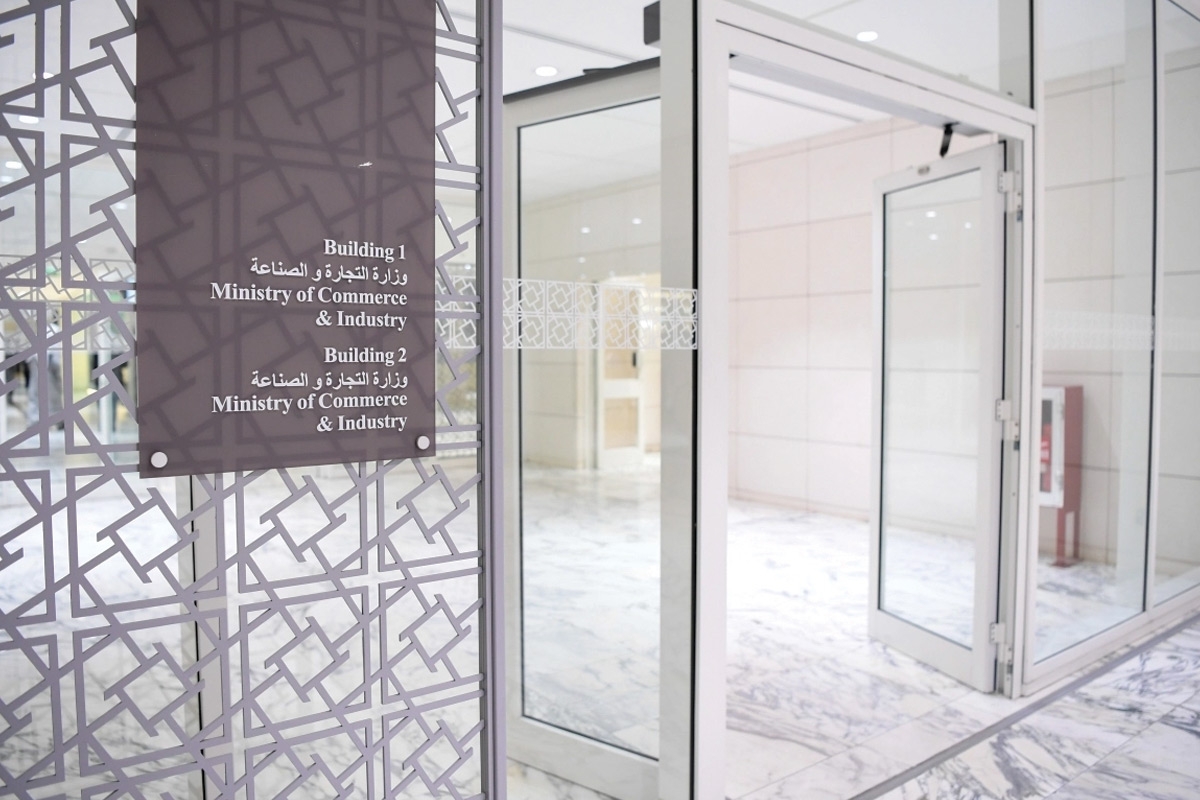
The Ministry of Commerce and Industry identified offices, institutions, and companies specializing in recruiting domestic labor, along with their branches, that failed to comply with non-cash payment methods, falling und
Translated by Qiyas from الجريدة — Original source
The Ministry of Commerce and Industry identified offices, institutions, and companies specializing in recruiting domestic labor, along with their branches, that failed to comply with non-cash payment methods, falling under the category of violations related to the prohibition of cash transactions.
Statistics from the Ministry’s Commercial Control Department for the period from July 1 to July 31, 2026, recorded 15 violations under the category of prohibiting cash transactions, distributed across five reports concerning offices and companies recruiting domestic labor. Meanwhile, violations involving health institutes, men’s and women’s salons, children’s clubs, and pest control companies for conducting cash transactions exceeding 10 dinars amounted to approximately five reports.
The statistics revealed that 1,398 violation reports were recorded during the same period, based on complaints submitted and inspection rounds conducted by control teams across various commercial activities.
The most frequent violation was the failure to use the Arabic language, with 212 reports, followed by the failure to display prices, with 145 reports, and then deception or fraud regarding the type, origin, composition, or expiration date of goods, with 95 reports.
Subsequently, there were 71 reports for failing to display an Arabic-language notice explaining the return and exchange policy, 65 reports for operating a business without obtaining a license from the Ministry of Commerce and Industry, and 57 reports each for failing to provide commercial data on goods and their country of origin, and for failing to comply with the requirement of displaying Arabic language on product packaging or containers.
The Ministry recorded 56 reports for publishing advertisements containing incorrect specifications, data, or prices for goods or services; 40 reports for the absence of a notice specifying the type and condition of meat; 39 reports for failing to list meat types and food prices in restaurant menus; 34 reports for displaying and selling vegetables and fruits with unclear information; and 28 reports for refusing to provide an invoice to the consumer.
Inspection teams also documented 24 reports concerning subsidized flour prices, 22 reports for selling counterfeit goods such as gifts, accessories, shoes, watches, bags, and other items, 22 reports for conducting discounts or special offers without a license, 21 reports for violations related to essential invoice data, and 17 reports each for displaying multiple prices for a single item and for violations involving energy drinks.
