Gold to Record First Gains in 5 Months
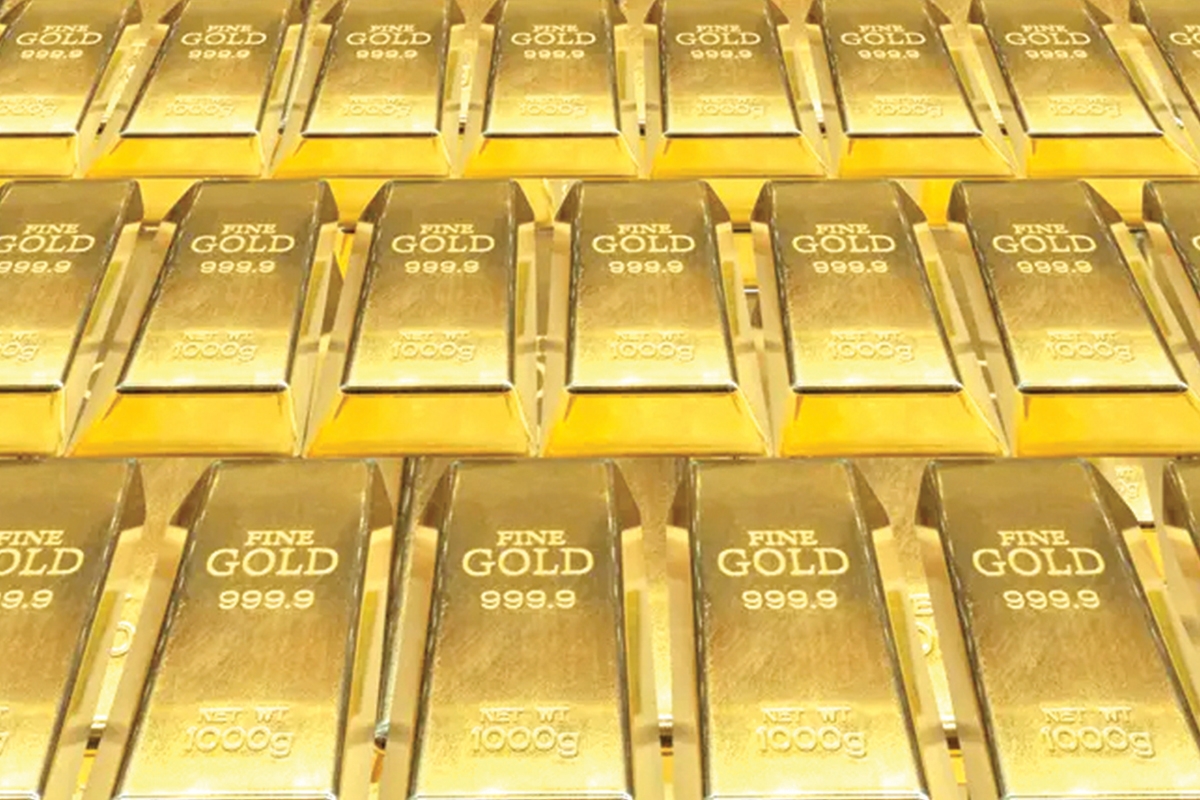
Gold fell 2 percent on Friday as the dollar recovered from its lowest level in over a month recorded in the previous session, while the precious metal was on track to post its first monthly gain in five months. Weak infl
Translated by Qiyas from الجريدة — Original source
Gold fell 2 percent on Friday as the dollar recovered from its lowest level in over a month recorded in the previous session, while the precious metal was on track to post its first monthly gain in five months. Weak inflation data had bolstered expectations that the US Federal Reserve would not raise interest rates. Spot gold fell 1.8 percent to $4,027.75 per ounce, after declining as much as 2 percent earlier in the session. US August gold futures fell 1.9 percent to $4,025.10 per ounce.
Gold gained 0.5 percent since the start of the month, heading for its largest monthly increase since February. These gains were driven primarily by weaker inflation data, which led traders to lower their expectations for further interest rate hikes by the Fed this year, as well as a drop in oil prices earlier in the month to pre-Iran war levels.
“Although gold is on the verge of ending a four-month losing streak, the precious metal has struggled to expand its gains above the psychological level of $4,000,” said Han Tan, chief market analyst at PipeTrade. Data released on Thursday showed that US inflation slowed in June, but this decline may be temporary as oil prices rise due to renewed fighting in the Middle East. Federal Reserve Chair Jerome Powell pledged a firm commitment to lowering inflation this week, without indicating readiness to raise interest rates. The dollar rose 0.5 percent after falling about 2.4 percent earlier, marking its largest single-day drop since January 2023. A stronger dollar increases the cost of gold for holders of other currencies. According to CME Group’s FedWatch tool, markets currently price in a 65 percent probability of an interest rate hike in September, down from over 80 percent a week ago.
Among other precious metals, spot silver fell 2.9 percent to $57.29 per ounce. Platinum dropped 2.5 percent to $1,618.97, and palladium fell 3.4 percent to $1,260.
Despite the volatility in gold prices over recent months, the precious metal maintains its status as one of the world’s most important hedge assets, supported by strong demand led by central banks, even as jewelry purchases and some fund investments have declined.
Latest data from the World Gold Council shows that global gold demand remained steady at 1.269 million tonnes in the second quarter of the year, while total demand in the first half rose 2 percent year-on-year to 2.522 million tonnes, valued at over $380 billion, reflecting continued market strength despite changing buyer identities.
Central banks were the most prominent players in the gold market during the second quarter, adding 289 tonnes to their reserves in just three months, a 62 percent increase compared to the same period last year.
These purchases reflect the ongoing trend of many central banks strengthening their gold reserves as a strategic asset that provides protection against economic and geopolitical volatility and helps diversify reserves away from foreign currencies.
This decline was offset by strong activity from Asian investors, who boosted their purchases through over-the-counter trading, helping to sustain global demand.
Rising gold prices have led to a 17 percent decline in jewelry demand, as many consumers have shied away from purchases due to higher costs.
Despite the drop in sales volumes, the total value of jewelry sales rose to $86 billion, benefiting from prices remaining at elevated levels.
On the supply side, global gold supplies remained largely stable, despite increased mine production, due to a 6 percent decline in recycled gold quantities, which limited any significant increase in supply.
Data from the World Gold Council indicates that gold has not lost its appeal; rather, the map of buyers has changed. While demand was previously driven more by individuals and investment funds, central banks and institutional investors are now leading the market, signaling a continued view of gold as a safe haven and strategic asset amid the uncertainty dominating the global economy.
For investors, the key message is not about short-term price movements, but rather the ongoing efforts by official institutions worldwide to bolster their gold reserves, reflecting long-term confidence in the precious metal’s role in protecting wealth and reserves.
