Trump's Legacy: An American Money Machine That Refuses to Stop
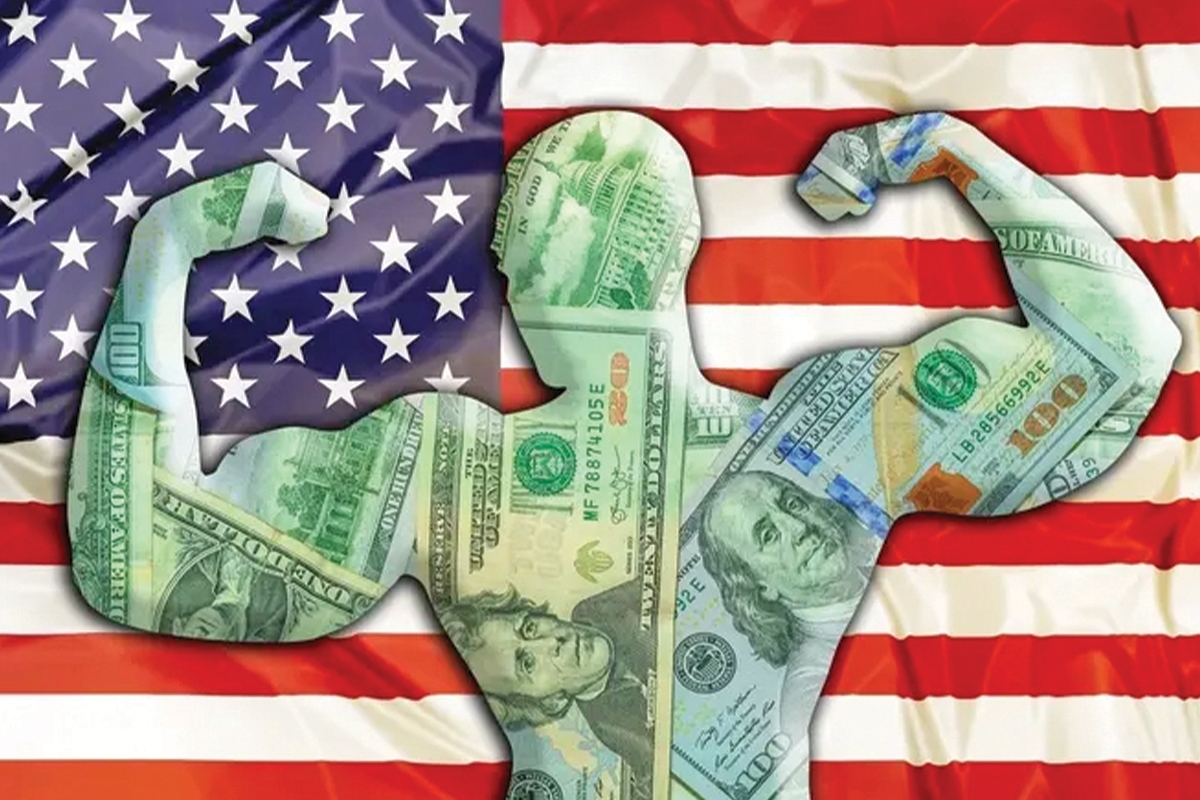
The most impactful legacy of U.S. President Donald Trump may not be political, but economic, as the tariffs he imposed during his term appear poised to persist even after he leaves the White House, driven by the substant
Translated by Qiyas from الجريدة — Original source
The most impactful legacy of U.S. President Donald Trump may not be political, but economic, as the tariffs he imposed during his term appear poised to persist even after he leaves the White House, driven by the substantial financial returns they generate for the U.S. Treasury.
According to Bloomberg, tariffs could add approximately $1.7 trillion to U.S. government revenues over the next decade, making their removal a financially and politically difficult decision.
Despite criticism from U.S. trading partners and concerns from consumers and businesses regarding their impact on prices, tariffs have become a significant source of government revenue.
Analysts argue that any incoming U.S. administration will face a genuine dilemma, as eliminating tariffs would mean forfeiting hundreds of billions of dollars at a time when fiscal pressures are mounting.
Recent experience suggests that U.S. administrations are reluctant to abandon this policy. The Biden administration retained a large portion of the tariffs imposed by Trump and even expanded some on strategic products, as part of commercial and technological competition with China.
This reflects a shift in tariffs from a tool of trade negotiation to a steady source of income, as well as their use in supporting industrial policies and protecting certain domestic sectors.
This trend emerges as the United States faces growing challenges, including China’s rise in technology and artificial intelligence, and increasing international efforts to diversify supply chains and reduce reliance on the U.S. dollar in trade and reserves.
Observers believe these developments are pushing Washington to seek tools that bolster its financial resources and maintain its competitiveness, thereby increasing the importance of tariffs in U.S. economic policy.
Experts contend that tariffs have become an example of policies that are difficult to reverse once they evolve into a sustainable revenue source, as imposing them is easier than eliminating them, even amid changes in administrations and political priorities.
As debate continues over the future of global trade, the question remains: Will tariffs become a permanent pillar of U.S. economic policy, or will inflationary pressures and international objections ultimately compel Washington to reconsider them?
