IMF Approves New $1.8 Billion Loan for Egypt
The Executive Board of the International Monetary Fund (IMF) approved the completion of the seventh review under the Extended Fund Facility (EFF) and the second review under the Resilience and Sustainability Facility (RS
Translated by Qiyas from الجريدة — Original source
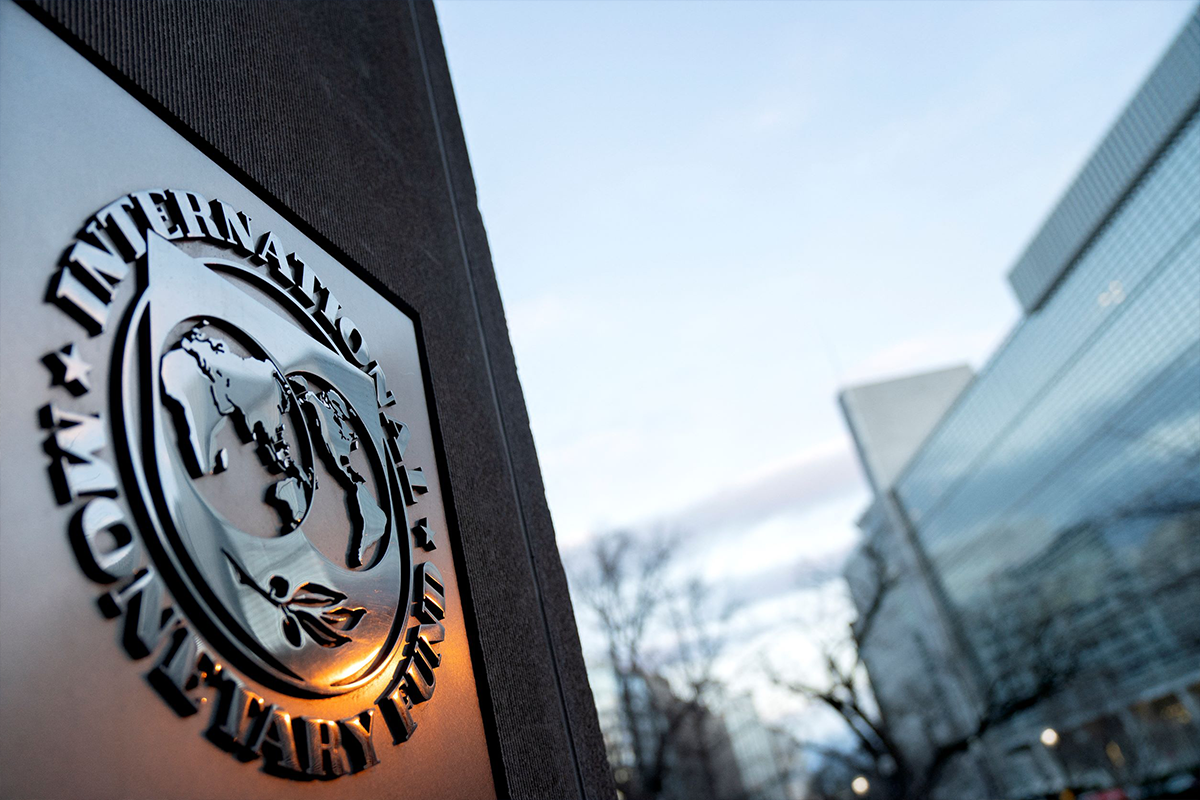
The Executive Board of the International Monetary Fund (IMF) approved the completion of the seventh review under the Extended Fund Facility (EFF) and the second review under the Resilience and Sustainability Facility (RSF) for Egypt, enabling the Egyptian government to access new financing of approximately $1.8 billion.
In a statement on Thursday, the Fund clarified that the new financing includes about $1.5 billion under the EFF and $272 million under the RSF, raising Egypt’s total disbursements under the two programs to approximately $7.3 billion.
The IMF emphasized that the Egyptian economy has successfully absorbed the economic repercussions of the war in the Middle East better than during previous periods of external pressure, benefiting from a package of policies adopted by the government, foremost among which are exchange rate flexibility, energy price adjustments, and containment of public spending.
The statement noted that these policies contributed to sustaining economic growth, continuing the decline in inflation for most of the year, alongside strengthening international reserves.
According to the Fund’s assessment, the Egyptian economy recorded real growth of 5% during the third quarter of fiscal year 2025/2026, raising the average growth rate over the first nine months to 5.2%. Despite regional repercussions, the IMF projected that growth for the current fiscal year would reach approximately 4.6%, only slightly below previous forecasts by no more than 0.1 percentage point.
The Fund explained that inflation continued to decline until March 2026, before rising to 15.2% due to the depreciation of the Egyptian pound and higher energy prices, then falling again to 14.3% in June. However, the international institution anticipated a return of inflationary pressures during the second half of 2026, with the inflation rate rising to approximately 16.7%, which would delay the achievement of the Central Bank of Egypt’s target inflation levels by an additional year.
The report noted that rising oil and gas prices pressured the current account, but record remittances from Egyptians abroad, strong tourism revenues, and the gradual recovery of Suez Canal revenues helped mitigate the impact. The IMF estimated the current account deficit at around 4.5% of GDP during fiscal year 2025/2026, with expectations of gradual improvement in the coming fiscal year.
The IMF commended the Egyptian government’s fiscal performance, noting that primary surplus and tax revenue targets were exceeded by the end of March 2026, as a result of efforts to mobilize revenues and control spending. It also pointed to a reduction in the state’s total financing needs by an amount equivalent to 5% of GDP, with expectations of continued improvement in tax revenues and an increase in the primary surplus to 5% of GDP in the next fiscal year.
The Fund viewed the implementation of structural reforms as uneven; while a state ownership policy was adopted and some business environment procedures improved, the program for divesting state-owned assets is proceeding at a slower pace than targeted. The statement highlighted the completion of the Gebel Zeit deal, along with the sale of government stakes in several listed companies, raising the proceeds from the divestment program to approximately $520 million.
Persistent risks and more cautious outlooks. Despite praise for the economy’s performance, the IMF warned that risks linked to regional tensions could continue to exert pressure on growth, inflation, public finances, and the external sector. It also pointed to domestic risks, including rising public debt, substantial financing needs, and the slow reduction of the state’s role in the economy.
Conversely, the IMF noted that an improvement in the geopolitical situation, the recovery of shipping traffic through the Suez Canal, and accelerated implementation of economic reforms could support growth and strengthen the role of the private sector.
Nigel Clarke, Deputy Managing Director of the IMF, emphasized that maintaining economic stability requires sustained tight monetary policy, fiscal discipline, and accelerated implementation of the exit strategy and state ownership policy. He added that broadening the tax base, maintaining exchange rate flexibility, strengthening public debt management, and speeding up reforms that support the private sector are essential elements for preserving economic stability and achieving sustainable growth in the coming years.
