Lebanon: Unification of the Interior and Support from the Abroad Clash with the Return of Escalation
This comes amid Lebanon’s efforts to unify its domestic stance and seek international and regional support, exemplified by President Joseph Aoun’s visit to Turkey. Ankara will present assistance to Lebanon in coordinatio
Translated by Qiyas from الجريدة — Original source
This comes amid Lebanon’s efforts to unify its domestic stance and seek international and regional support, exemplified by President Joseph Aoun’s visit to Turkey. Ankara will present assistance to Lebanon in coordination with the Americans, enter into economic and investment understandings, and pursue efforts to normalize relations with Syria. Additionally, Turkey will offer military aid to the Lebanese Army and express its readiness to deploy Turkish troops in the south.
Domestically, this follows Speaker of the Parliament Nabih Berri’s visit to Baabda Palace and his meeting with President Aoun after months of absence and political disengagement.
In this context, Israel announced that Hezbollah targeted one of its vehicles with a booby-trapped drone near the Ali al-Tahir hill. Tel Aviv also declared its readiness to retaliate against Hezbollah’s operation. This escalation occurs against the backdrop of heightened regional tensions, including Iran’s targeting of US forces stationed in Jordan, as well as attacks by Iran’s allies, the Iraqi Popular Mobilization Units, on Saudi Arabia, which prompted a joint Saudi-US response.
This indicates that Iran has been driving escalation itself and through its regional allies, amid a deadlock in negotiations with the United States.
Lebanon remains wary of escalation, convinced that there is no US-Iran agreement, but rather American efforts to forge a broader regional alliance to counter Iran and its allies. This was reflected in Trump’s statement that Iran’s allies are the “cancer of the world” and that he is considering striking them.
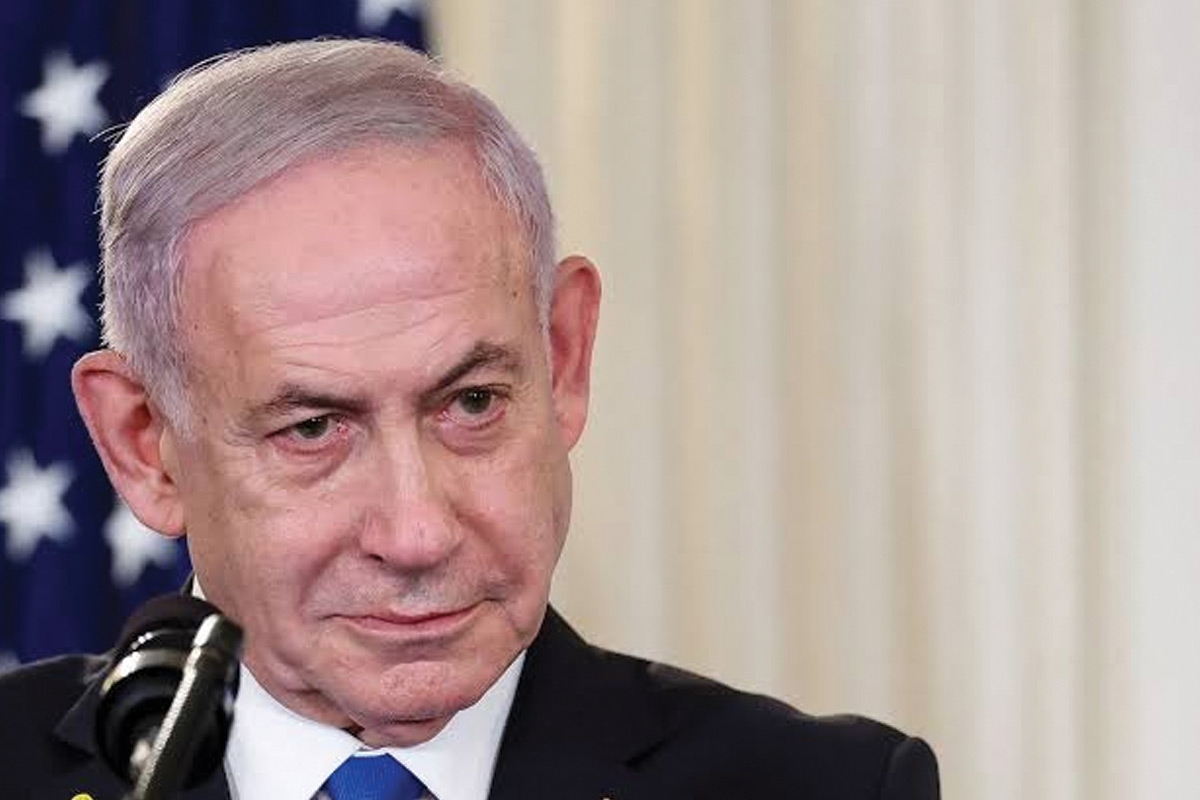
Any such escalation would benefit Benjamin Netanyahu, who would seek to expand the war in Lebanon against Hezbollah and open a battle at “Ali al-Tahir” in an attempt to control the situation and achieve a military breakthrough. Once opened, such a conflict would lack constraints to remain confined within specific boundaries.
This comes as Lebanon prepares for the seventh round of negotiations to be held in Rome, Italy. Berri’s visit to Baabda appears to provide cover for the negotiation track, despite his emphasis on the need to halt Israeli military operations in the south and to schedule an Israeli withdrawal. Undoubtedly, this represents a shift in political positions, and it remains to be seen what Hezbollah’s stance or reaction will be. The focus of discussions centers on how to implement pilot zones and withdraw Hezbollah’s weapons, particularly from the area south of the Litani River.
