Ministry of Public Works activates its organizational structure according to the responsibilities of each sector
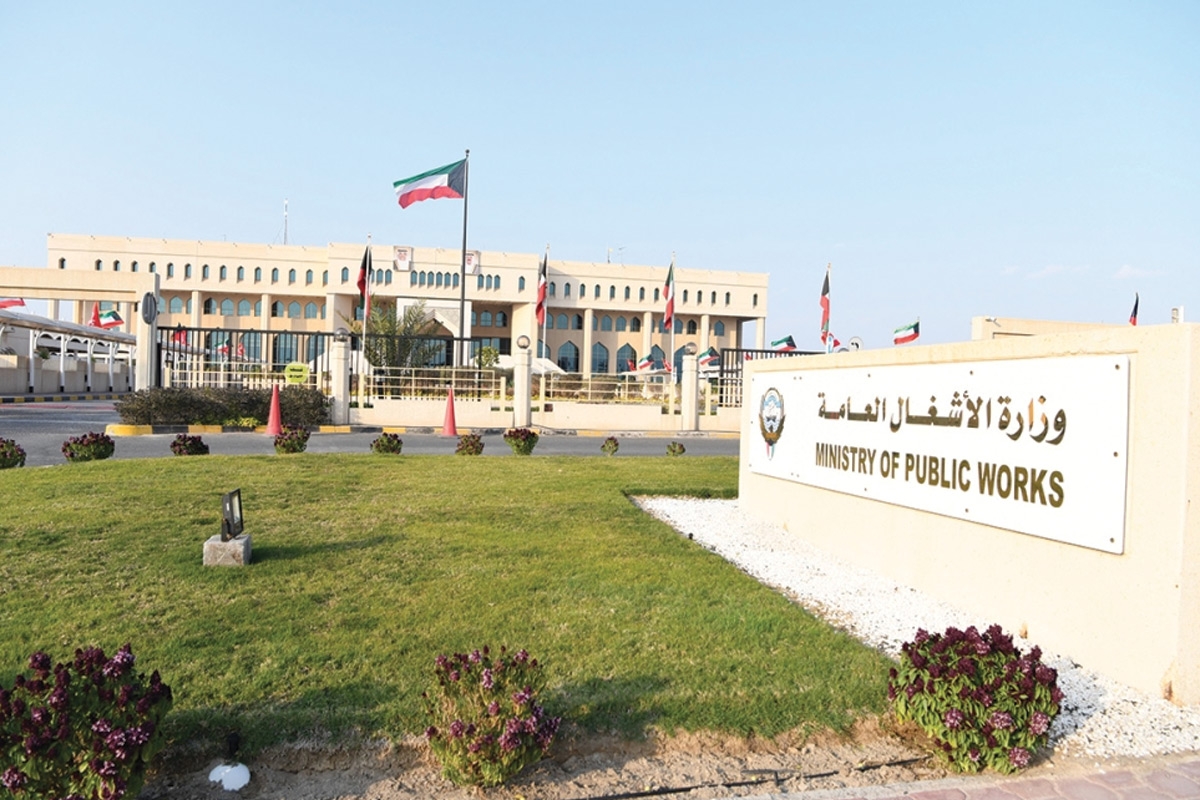
The Undersecretary of the Ministry of Public Works, Eid Al-Rashidi, issued a decision regarding the activation of the competencies of the ministry’s organizational units in accordance with the newly established organizat
Translated by Qiyas from الجريدة — Original source
The Undersecretary of the Ministry of Public Works, Eid Al-Rashidi, issued a decision regarding the activation of the competencies of the ministry’s organizational units in accordance with the newly established organizational structure. Article One of the decision calls on all sectors and organizational units within the ministry to assume their assigned competencies, as approved by the Civil Service Bureau, each according to its specific jurisdiction.
The decision, a copy of which was obtained by Al-Jarida, aims to develop the administrative work system, enhance institutional performance efficiency, and strengthen the capacity to implement projects and development plans more effectively. These objectives align with the state’s direction toward modernizing the government apparatus and consolidating the principles of governance and transparency.
Issued on July 27, the decision follows the completion of necessary legal and administrative procedures and is based on the laws and decisions governing the civil service and the competencies of the Ministry of Public Works. It establishes a new regulatory framework that defines the sectors and departments under the ministry and redistributes competencies, thereby contributing to improved performance and more efficient decision-making.
The new organizational structure includes the Minister’s sector and its subordinate bodies, such as the Minister’s Advisory Body and the Technical Office, alongside the Inspection and Audit Office. This office comprises the Administrative and Financial Inspection and Audit Department, as well as the Technical Inspection and Audit Department. This structure reflects the ministry’s commitment to strengthening internal oversight, enhancing monitoring levels, and ensuring compliance with regulations and bylaws across all sectors.
The adoption of the new structure is expected to foster greater integration among the ministry’s sectors, accelerate work cycles, and clarify responsibilities and authorities. These improvements will positively impact the execution of infrastructure projects, maintenance, and development works, while enhancing the quality of services provided by the ministry.
