Decree on Security Cameras: 120 Days for Retaining Recordings... Settlement Ends Criminal Lawsuit
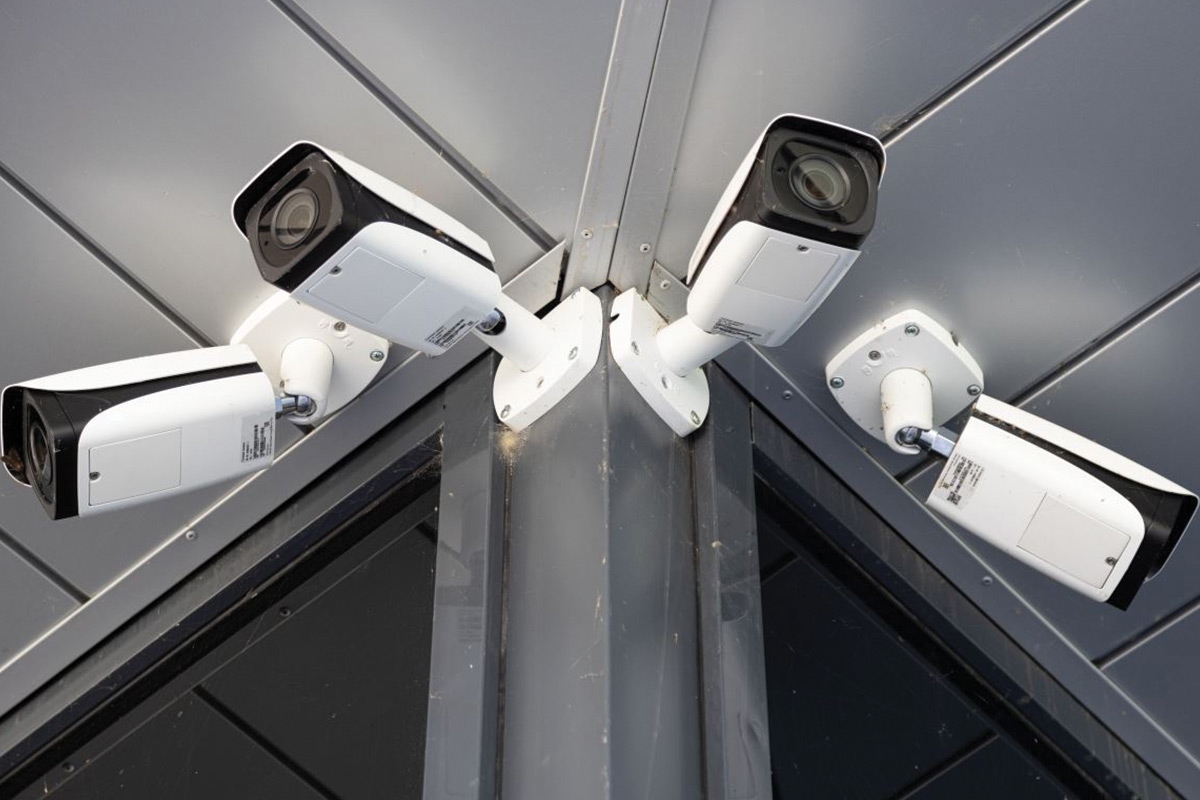
Decree-Law No. 76 of 2026 was issued to amend certain provisions of Law No. 61 of 2015 concerning the regulation and installation of security surveillance cameras and devices. It was published in the supplement of the Official Gazette (Kuwait Al-Yawm) issued today, and shall enter into force from the date of its publication.
Article One of the Decree-Law, which replaced the text of Article 5 of the existing law, obligates all establishments subject to its provisions to retain recordings from security surveillance cameras and devices for a period of no less than 120 consecutive days. During this period, any modification, erasure, deletion, or processing of such recordings by any means is prohibited.
The new text permits establishments, after the expiration of the retention period, to adopt a special retention system suited to the nature of their activity and the size of their establishment, provided that this does not conflict with security or regulatory requirements determined by the competent authority.
The explanatory memorandum stated: “Law No. 61 of 2015 concerning the regulation and installation of security surveillance cameras and devices was issued on July 7, 2015. Certain shortcomings in the provisions of this law have emerged, making it necessary to amend it. In light of the Emiri Decree issued on May 10, 2024, which stipulated in Article 4 that laws shall be issued by decree-laws, a draft decree-law was prepared to replace the text of Article 5 with new legislative provisions, as well as to add several articles corresponding to those in the existing law, as required by working conditions and their necessities.”
The amendments included replacing the text of Article 5 of the current law. The new text established a 120-day retention period for security surveillance camera recordings, considering the retention period in the existing law to be relatively short. This adjustment accounts for practical realities observed during incidents or threats, and acknowledges the possibility of rare cases where delays might occur in filing complaints or reports by victims due to the nature or circumstances of the incident. Consequently, upon issuance of an order by investigative authorities or the competent court, as stipulated in Article 6 of this law, the recorded footage from security surveillance devices at the incident site must be handed over if necessary for the performance of their duties.
The proposed amendment to the recording retention period aims to simplify procedures and facilitate access to security surveillance camera recordings when needed, after the 120-day period has elapsed. Additionally, it allows each establishment subject to the law to determine a retention period appropriate to the nature of its work.
Two new articles, numbered (8 bis) and (8 bis 1), were also added. Article (8 bis) grants the General Administration of Security Systems, as the competent authority, the discretion to approve or reject a 30-day period granted for rectifying violations immediately, upon receiving a request for a settlement order from interested parties (owners of establishments subject to this law) within seven working days from the date the violation report was issued, except for the prohibitions stipulated in Articles 6 to 9. Acceptance of the settlement results in the termination of the criminal case against the violator. Article (8 bis 1) addresses the civil liability of owners of establishments subject to the law to pay the settlement amount after the competent authority accepts the settlement order, covering damages arising from the non-application of this law’s provisions at the time of its enforcement.
