Lebanon: Israel lays groundwork for prolonged occupation encompassing Hezbollah stronghold in the Apple Region and Mount Rouhaneh
What is clear and well-known behind the scenes, as in practice, is that Israel does not want to implement the Framework Agreement, because it does not want to withdraw from southern Lebanon. However, it certainly wants t
Translated by Qiyas from الجريدة — Original source
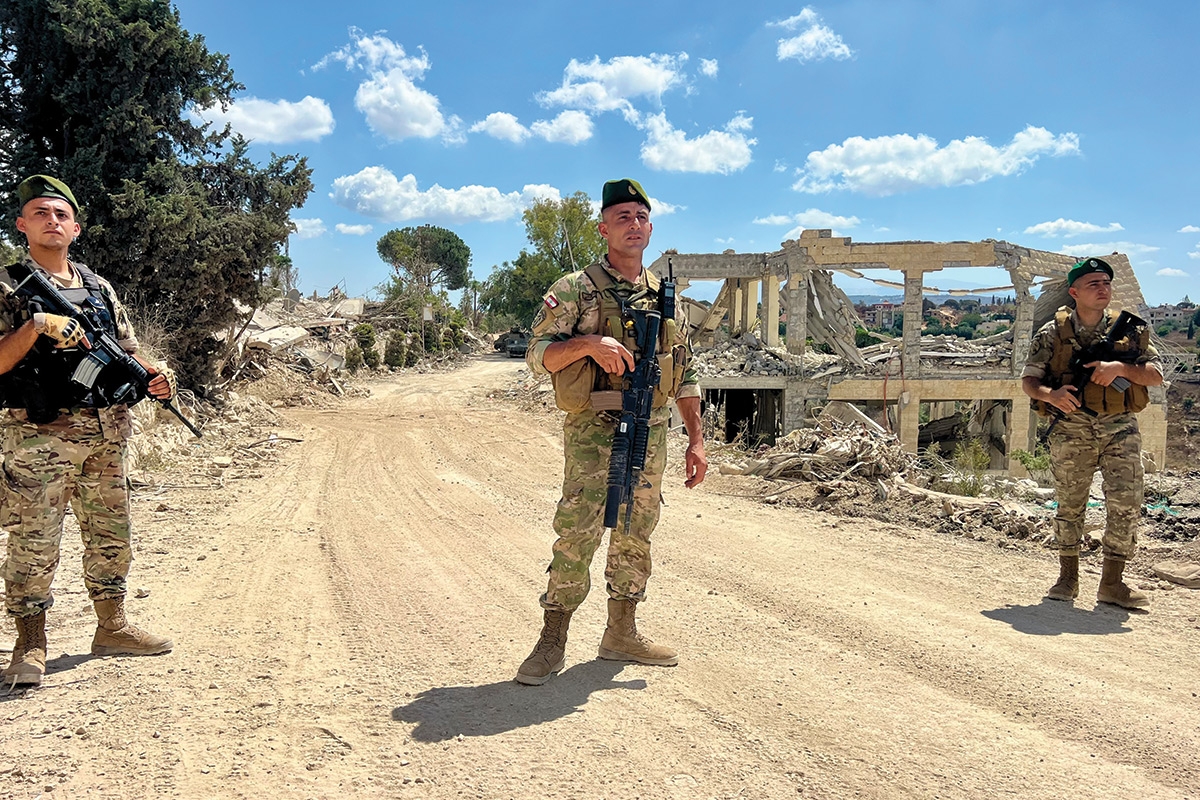
What is clear and well-known behind the scenes, as in practice, is that Israel does not want to implement the Framework Agreement, because it does not want to withdraw from southern Lebanon. However, it certainly wants to retain what it has achieved in this agreement for a later stage, starting negotiations from that point to demand more. The continuous attacks, bombing operations, and circumvention of the implementation of experimental zones by penetrating several towns and establishing checkpoints and positions all indicate that Tel Aviv is laying the groundwork for a long-term occupation that will not be easy to abandon unless it can impose its conditions and fulfill its interests in the long run.
On the ground, Israeli forces remain determined to destroy and enter the Ali al-Taher facility, amid estimates that if they succeed, they will not stop there but will return to expand their operations toward key and strategic Hezbollah sites in the Tuffah region and Mount al-Rayhan.
At the political and diplomatic levels, the seventh round of negotiations in Italy is expected to be the last, after which efforts will shift to the technical and military aspects. Here, Israel wants to keep in its hand the card of evaluation or approval regarding whether the experimental zones model has succeeded, paving the way for determining other areas from which it must withdraw its army—a move it opposes, especially before elections. Despite leaks citing Israeli Prime Minister Benjamin Netanyahu regarding the pressure he is under from US President Donald Trump to withdraw from Lebanon, Syria, and Gaza, Netanyahu insists on rejecting this, a stance he will discuss with Trump during their meeting, along with the file concerning the war on Iran.
Netanyahu is traveling to the US with the intention of convincing Trump to return to a wide-ranging war extending from Iran to Lebanon, and not excluding Yemen, alongside Tel Aviv’s continuation of its war in the West Bank. Netanyahu seeks to convince Trump that there is no possibility of an agreement with Iran, and that Tehran’s goal is to buy time. He also wants to obtain a green light from Trump to complete his operations in Lebanon, despite the Framework Agreement with the Lebanese state, and will insist on isolating Hezbollah to continue the war against it.
Israel wants war and is working to advance its relations with some Arab or non-Arab countries for security or military coordination, as well as to prepare for any war against Iran.
In Lebanon, Israel appears always ready for war, preparing for it, and desiring it. In contrast, most countries in the region are not inclined toward war. Lebanon has moved toward the Framework Agreement, and Syrian President Ahmad al-Sharaa has affirmed that he does not want confrontation with Israel, nor do other countries.
The most prominent point in al-Sharaa’s remarks is that many countries want to reach security agreements with Israel, implying the possibility of coordination with several countries to enter a joint negotiation track between these countries and Israel on the other side. This opens the door to many questions about these countries, and whether Lebanon is among them. It is also impossible to ignore that any such step must be linked to coordination with Saudi Arabia.
Here, it is necessary to pause at al-Sharaa’s criticism of the Framework Agreement between Lebanon and Israel, describing it as containing many loopholes. This statement is inseparable from the views of many Lebanese and Arab officials who want Lebanon to reconsider the agreement. This cannot be separated from the position of Speaker of the Parliament Nabih Berri, who spoke positively about Saudi Arabia and Trump, opening a door for negotiation, but linked the matter to the results to be achieved under this agreement, which he believes will not be implemented as is.
