African Development Bank: El Niño losses could reach $20 billion
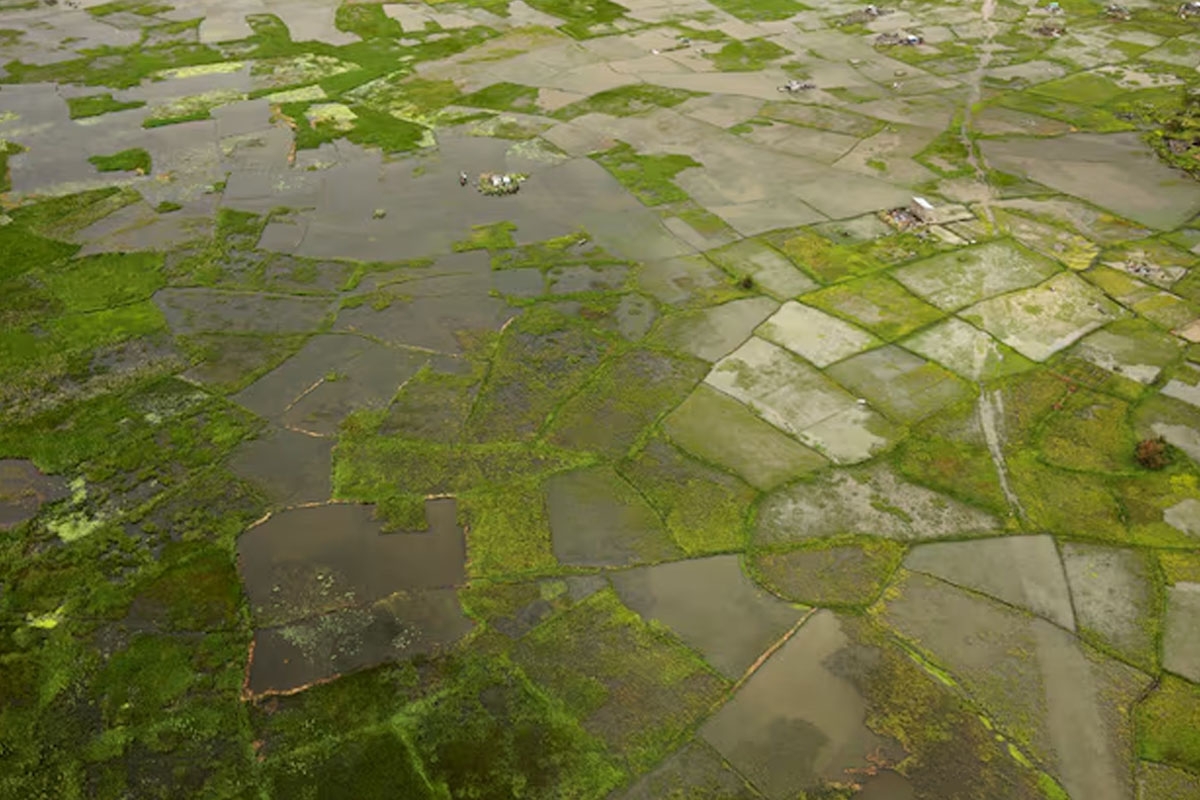
The African Development Bank’s chief climate expert told Reuters that the impending “super” El Niño phenomenon is likely to cause total losses ranging from $10 billion to $20 billion for affected African countries, and trigger mass migration from severely damaged regions. Meteorologists warn that the weather pattern known as El Niño, which often causes severe droughts, widespread floods, and intense storms in Africa, could become one of the strongest ever recorded if current rises in Pacific Ocean temperatures persist.
In addition to the threat it poses to food and water security, government finances and banking sectors could also be affected if disasters damage infrastructure and leave financially strained countries struggling to repay associated loans.
Anthony Nyong, Director of the Climate Change and Green Growth Division at the African Development Bank, said in an interview: “This event alone will lead to a significant decline in the gross domestic product of heavily affected countries, averaging between one and two percent, equivalent to approximately $10 billion to $20 billion across the continent.”
The African Development Bank’s latest forecasts in May predicted that Africa would experience 4.2 percent economic growth this year, rising to 4.4 percent in 2027, assuming the US-Israeli war on Iran subsides.
Nyong warned of the risk of governments falling into a “climate finance trap,” lacking the resources needed to manage crises and being forced to divert funds from health, education, or infrastructure budgets to cover costs. El Niño caused severe drought in southern Africa and heavy rains and floods in eastern Africa in 2023 and 2024. These conditions led to widespread crop damage, sharp increases in food prices, and record-high sea levels along the continent’s coasts.
The African Development Bank estimated that African farmers are already facing income losses of nearly $330 million this year, and that the fishing sector is also severely impacted by rising sea temperatures and storms.
Nyong said, “When these shocks occur, countries take two steps backward. We do not want our countries to slide into poverty.”
Nyong noted that the Bank is prepared to restructure projects to help countries manage the impacts of El Niño and will work with them to leverage additional multilateral support, such as from the Green Climate Fund, the world’s largest fund dedicated to addressing the consequences of climate change.
He predicted that Africa would now need up to $100 billion this year due to the expected strength of El Niño. Nyong said humanitarian pressures would exacerbate problems, and the Bank identified Sudan, South Sudan, the Democratic Republic of Congo, Somalia, Mali, Burundi, and even Nigeria as particularly vulnerable to severe impacts. He added, “When El Niño arrives, there will be mass migration,” noting that the price of maize, a staple food in many affected countries, is expected to double.
