Al-Shal comments on the Central Bank's statement regarding the UNCTAD report
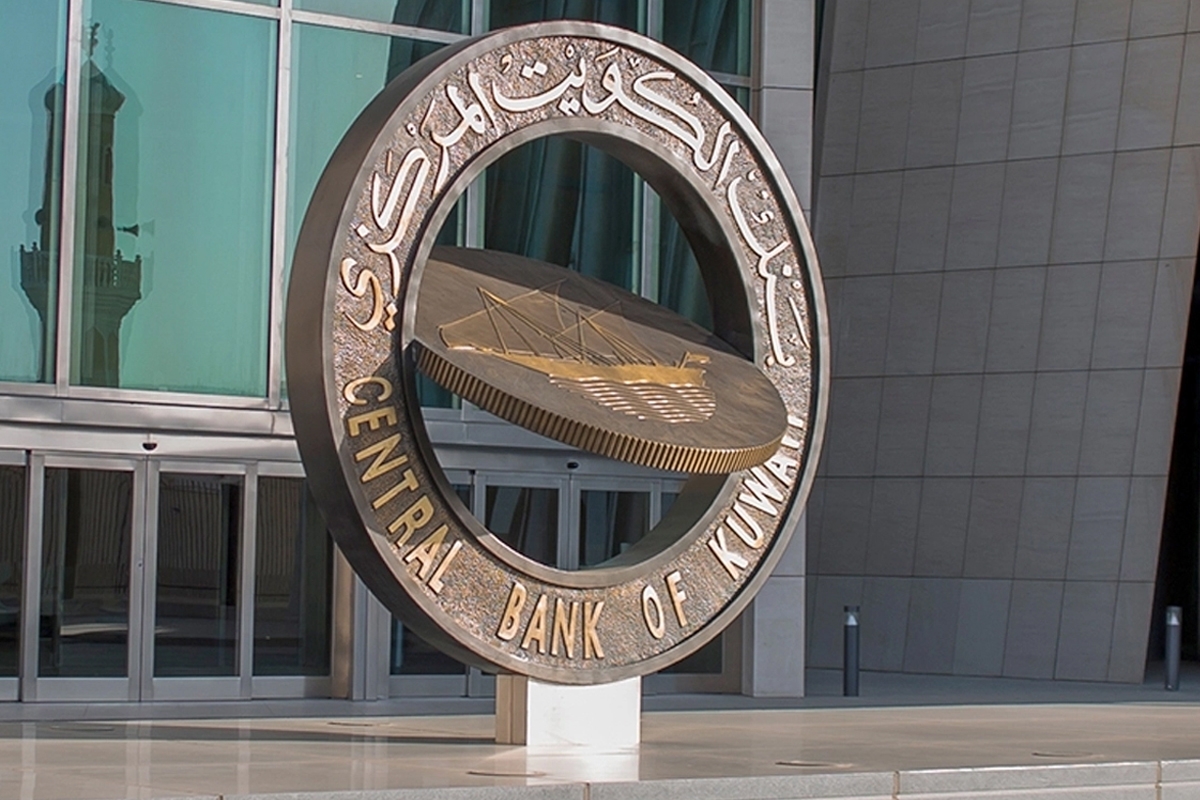
The “Al-Shal” report stated: The UNCTAD report on World Investment was released on July 7, 2026. We reviewed its figures in a paragraph of our Report No. 28 for the previous week, which was published on Sunday, July 19.
Translated by Qiyas from الجريدة — Original source
The “Al-Shal” report stated: The UNCTAD report on World Investment was released on July 7, 2026. We reviewed its figures in a paragraph of our Report No. 28 for the previous week, which was published on Sunday, July 19. Given that the Central Bank of Kuwait is a professional institution, perhaps the best in our region, and that it holds a different view regarding the report’s figures, we believe it is necessary to discuss its perspective.
It added: In its press statement dated July 19, 2026, the Central Bank noted that Kuwait’s outward direct investment capital flows reached approximately 915 million dinars, or about 3 billion dollars, in 2025, while inward flows amounted to 126.4 million dinars, or roughly 412.4 million dollars.
Disagreeing with it is acceptable; it is an institution we respect and support for its independence. We have previously disagreed with it regarding the cessation of the Kuwaiti dinar’s interest rate movements being tied to the US dollar’s base interest rates, and we have agreed with it in many other instances. In cases of disagreement, we may be the ones in error; if that proves to be the case, an apology would be warranted. Since debating the accuracy of figures can be difficult for non-specialist readers, it is acceptable to outline our viewpoint in separate points as follows:
First: The United Nations Conference on Trade and Development (UNCTAD) is an international institution that holds no position for or against Kuwait, and its figures cover the entire world. We have never read of a genuine challenge to the accuracy of these figures by any country. Nevertheless, if the Central Bank of Kuwait holds a differing opinion, it should address UNCTAD directly to issue a substantive correction to its figures, as UNCTAD is the source, not Al-Shal or any other entity commenting on those figures.
Second: Let us assume that the Central Bank’s objection regarding the inaccuracy of UNCTAD’s 2025 figures is valid, or that they are preliminary figures subject to revision. The UNCTAD figures for the preceding four years (2021–2024) remain consistent with the 2025 data and are final, not preliminary. UNCTAD figures indicate that outward direct investment flows from Kuwait reached approximately 4.7 billion dollars in 2021, about 24.6 billion in 2022, around 11.2 billion in 2023, and roughly 10.3 billion in 2024.
Third: This means that the total outward direct investment flows for the four aforementioned years, excluding 2025, amounted to 50.8 billion dollars, compared to inward foreign direct investment flows of approximately 4.1 billion dollars. Thus, the deficit or negative gap between the two figures stands at 46.7 billion dollars in favor of outward flows.
Fourth: Returning to the 2025 figures, there was a surge in outward direct investment capital, reaching approximately 36 billion dollars, while inward foreign direct investment did not exceed 497 million dollars. Consequently, the gap between outward and inward flows is enormous, amounting to about 35.5 billion dollars. This gap would not be resolved by mere adjustments if the figures were preliminary. The surge may be due to an unrepeatable reason, such as a unique case of significant direct capital flight, but it warrants investigation and scrutiny.
Fifth and finally, we have a principal objection to the Central Bank’s statement, stemming from the conflation of direct and indirect investment flows, which created the impression that approximately $11.8 billion had entered Kuwait. While the figure is accurate, it fosters a misunderstanding among non-specialist readers. Direct investment is of paramount importance, as it is long-term and stable, generates goods and services, and creates national employment opportunities. In contrast, indirect investment may be beneficial in the short term, but it is not anchored and can withdraw at any time, posing risks such as investing in and then rapidly exiting the local stock market. This type of capital is therefore referred to as “hot money,” and its most significant crisis was the Asian Tigers crisis in October 1997. Since the volume of incoming indirect investment was mentioned, it would have been appropriate to also report the volume of outgoing indirect investment from Kuwait, such as investments in global equities, bonds, and deposits, which may reveal a wider gap.
In conclusion, Al-Shal stated that if UNCTAD revises and substantially adjusts its figures for the past five-year period, they would not hesitate to provide a different, possibly positive, description of the local business environment. Otherwise, it is better to deal with the reality of the available data, acknowledge the ailments of the business environment, and begin treatment, so that its cost does not become higher and its chances of success lower. What we have mentioned is not a criticism of any specific local authority, including the Direct Investment Authority; rather, it is about treating the business environment and transforming it into an attractive one, making it a national project in which reform steps across all institutions are coherent and aligned.
