The Gulf and Jordan: Iranian attacks are overt acts of aggression that violate charters
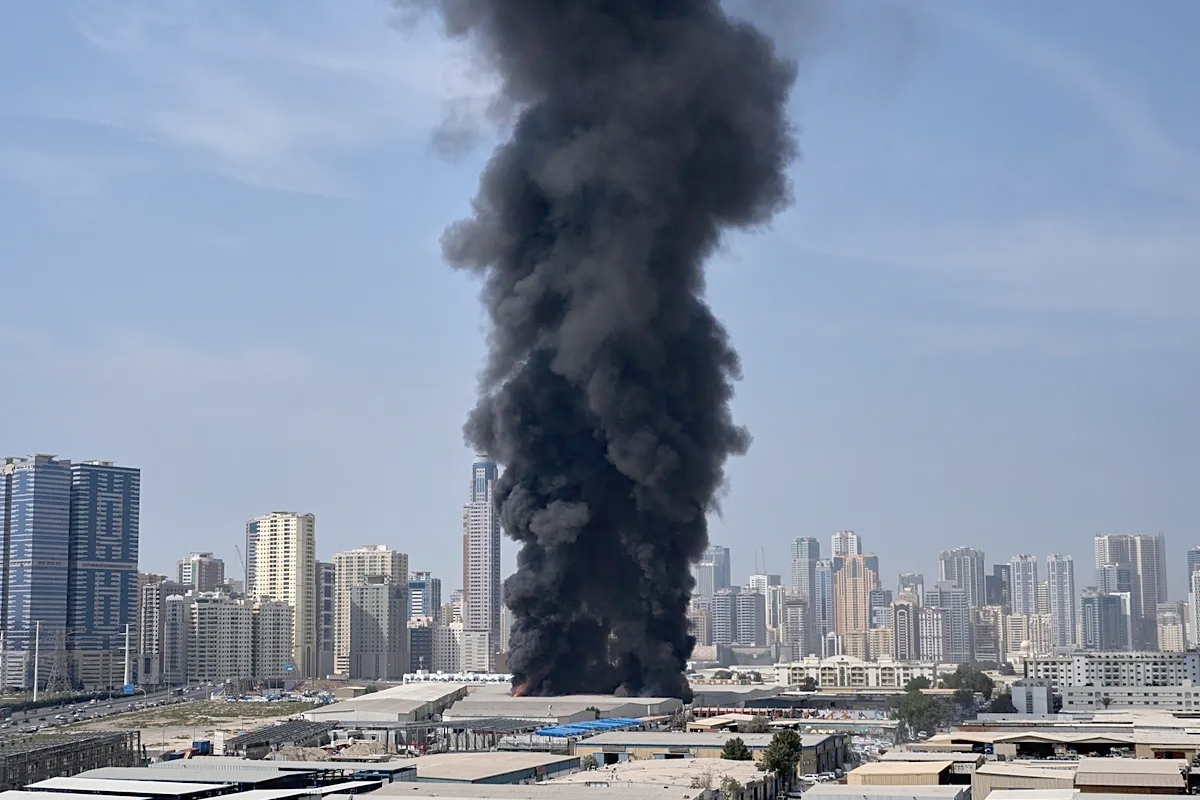
The Gulf Cooperation Council (GCC) countries and the Hashemite Kingdom of Jordan, in a joint statement, expressed their unified position condemning the egregious aggression launched by Iran and its proxies against their
Translated by Qiyas from الجريدة — Original source
The Gulf Cooperation Council (GCC) countries and the Hashemite Kingdom of Jordan, in a joint statement, expressed their unified position condemning the egregious aggression launched by Iran and its proxies against their territories. This stance is grounded in the successive positions adopted by the GCC Ministerial Council, the Arab League Foreign Ministers Council, international law, and United Nations Security Council Resolution 2817 (2026).
The seven countries affirmed that Iran’s attacks on their territories, citizens, and civilian infrastructure have continued without interruption since February 28, 2026, following the signing of a memorandum of understanding between the United States of America and Iran on June 17, 2026. These attacks have escalated particularly against the Kingdom of Bahrain, the State of Kuwait, and the Hashemite Kingdom of Jordan, targeting energy facilities, water desalination plants, ports, airports, and other civilian assets.
The seven countries stressed that these continuous attacks constitute clear acts of aggression violating the United Nations Charter, international law, international humanitarian law, UN Security Council Resolution 2817 (2026), and the explicit commitments Iran made under the memorandum of understanding. They further constitute a threat to international peace and security.
The seven countries affirmed their inherent right to self-defense, individually or collectively, in accordance with Article 51 of the United Nations Charter, and to take all necessary legal measures to protect their sovereignty, territories, citizens, commercial vessels, and critical infrastructure against these ongoing attacks.
The seven countries welcomed the decision by the Prime Minister of Iraq to restrict weapons to state control by September 30, 2026, while expressing their support for the decisive and effective measures taken by the Iraqi government, in accordance with its responsibilities, to prevent Iran-aligned factions, militias, and armed groups from continuing their hostile operations against countries in the region.
The seven countries called upon the United Nations Security Council to issue an urgent resolution demanding an immediate halt to Iranian attacks, recognizing the right of affected states to self-defense, and to exercise its legal authority to consider adopting additional measures if these systematic and egregious attacks do not cease.
The seven countries commended the bravery, professionalism, and high readiness of their armed forces in defending their sovereignty, security, stability, and the safety of civilians. They also appreciated the resilience and unity of their citizens in the face of these challenges, which reflect the strength of their homelands and the unbreakable bonds between their leaderships and peoples.
The seven countries reaffirmed their commitment to freedom of navigation and safety in the Straits of Hormuz and Bab al-Mandab, and to maintaining regional security and stability. They expressed their readiness to work with all countries in the region and the International Maritime Organization to reach permanent arrangements consistent with international law, the United Nations Convention on the Law of the Sea, state sovereignty, and good neighborliness.
Our countries reaffirm their full solidarity with the brotherly Kingdom of Saudi Arabia and their complete support for the legitimate measures it takes to preserve its sovereignty, security, stability, and territorial integrity. They also highly appreciate the diplomatic efforts undertaken by the Kingdom of Saudi Arabia and the Sultanate of Oman to achieve a comprehensive and political solution to the Yemeni crisis, as well as the developmental and humanitarian support provided by the Kingdom to the brotherly Republic of Yemen.
