Zain supports the Capstone Applied Projects Program
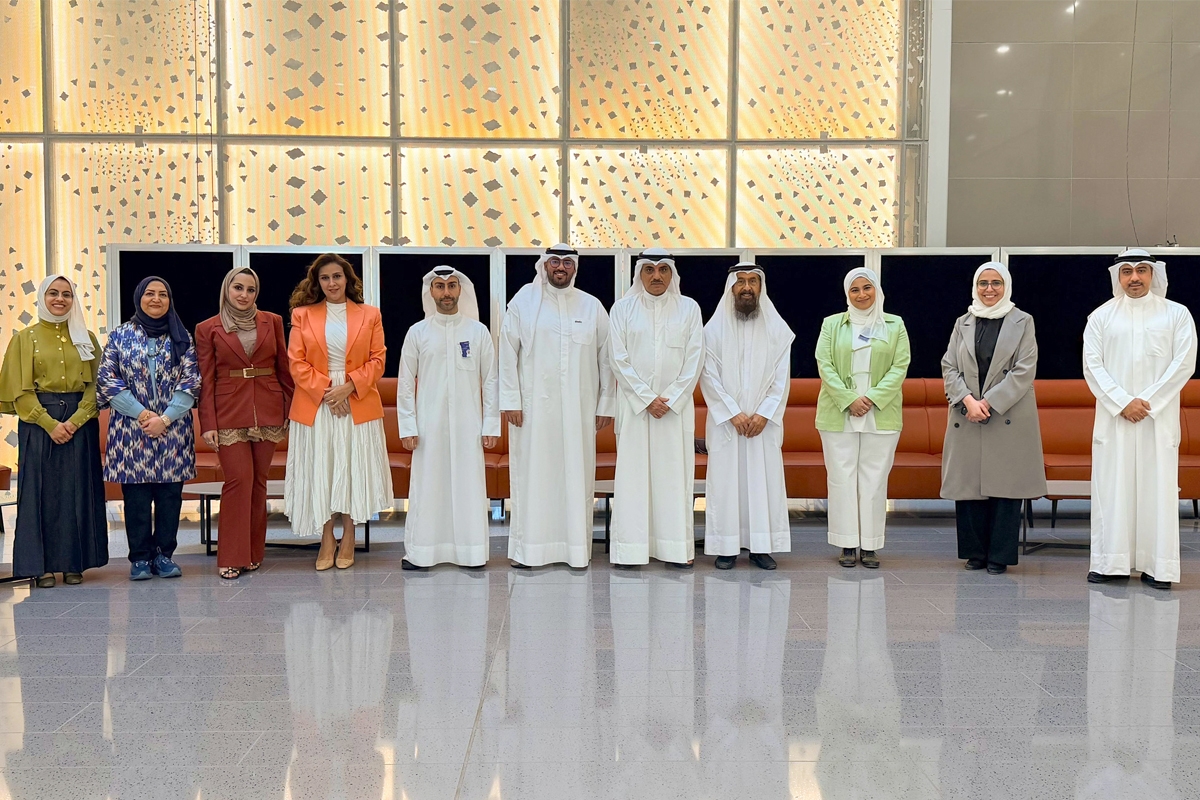
Zain announced its support and enablement of the Capstone Applied Projects program in the Computer Science Department at the College of Science, Kuwait University. The initiative provided students with the opportunity to
Translated by Qiyas from الجريدة — Original source
Zain announced its support and enablement of the Capstone Applied Projects program in the Computer Science Department at the College of Science, Kuwait University. The initiative provided students with the opportunity to apply their academic knowledge and technical skills to develop solutions and prototypes that address real-world challenges in market and business environments.
Zain presented students with a set of actual challenges and needs faced by various sectors, inviting them to study, analyze, and innovate technical solutions to address them. These efforts spanned diverse fields, including artificial intelligence, the Internet of Things (IoT), business continuity, digital security, inclusion and accessibility, institutional compliance, and professional skills development.
Zain’s support for the program stems from its vision to invest in the digital capabilities of youth and provide an educational environment that fosters creativity, critical thinking, and teamwork, while bridging theoretical knowledge with practical application. This approach enhances students’ readiness to enter the fields of technology, engineering, science, and mathematics, which have become among the top priorities of modern labor markets.
Zain’s Innovation Ambassadors actively participated in various stages of the program, investing their expertise and time in preparing challenge briefs, providing technical and professional mentoring, and sharing knowledge and practical experience with students throughout the project development phase.
The ambassadors also assessed the initial feasibility of proposed prototypes, tested their alignment with market needs and institutional objectives, and explored their potential to add value to Zain and the targeted sectors. Additionally, they investigated opportunities to develop these prototypes into applicable solutions or startup ventures that could be launched in the market in the future.
Zain believes that the true value of the program extends beyond fulfilling academic requirements or delivering prototypes. It lies in introducing students to the mechanisms of developing solutions based on user and market needs, testing their feasibility, continuously improving them, and evaluating their potential to evolve into applicable products or services.
The program also highlights the importance of direct collaboration between the private sector and academic institutions in preparing a new generation of innovators, developing their technical and professional skills, and giving them the opportunity to work on real-world challenges while benefiting from the expertise of specialists. This collaboration helps bridge the gap between lecture halls and work environments.
Zain continues to support programs and initiatives that enhance the innovation and entrepreneurship ecosystem, invest in the digital skills of youth, and open new pathways for them to transform their ideas into practical solutions that create sustainable economic and social value. These efforts contribute to supporting the digital transformation journey and building a knowledge-based national economy.
The program resulted in the development of a number of innovative technical projects, including “Creno,” a smart platform that leverages artificial intelligence technologies to collect and analyze information from official and public sources. This helps banks and financial institutions enhance the efficiency of their screening, compliance, and anti-money laundering processes, while providing clear and auditable results.
Another key project was the HyperLocal platform, which utilizes Internet of Things (IoT) technologies to assist small and medium-sized enterprises (SMEs) in monitoring compliance with regulations and requirements through real-time monitoring, instant alerts, and risk prediction. The platform also enables regulatory authorities to monitor establishments remotely.
Students also presented the INERTIA project, an AI-powered digital platform designed to unify and manage business continuity plans, assess readiness levels, enhance governance, and track disaster recovery plans while keeping data within the institution’s internal environment.
In the field of community solutions and digital security, students developed “Al-Mutarjim” (The Translator), an application that leverages computer vision and artificial intelligence technologies to translate Kuwaiti Sign Language into Arabic in real time. The app displays the translation both as text and through a 3D avatar, facilitating communication and improving access to services.
Other projects included Zain ReVerse, a smart system for detecting fraudulent calls as they occur. It analyzes conversations in Arabic, assesses risk levels, and generates automated reports, thereby supporting user protection and enabling the tracking of suspicious cases.
The projects also featured TruePick, a digital platform for managing campaigns and giveaways based on a reliable random selection mechanism. It provides tools for managing participant data, verifying winners, and generating reports, thereby enhancing transparency and minimizing operational errors.
Additionally, students developed the “Tadreeb” platform, which connects university students with practical opportunities at companies across various specializations. The initiative aims to develop students’ professional skills, equip them with necessary experience, and improve their readiness to join the job market before graduation.
