Sharp Divide in Iran's National Security Council Between War and Negotiation
An official from Iran’s Supreme National Security Council told Al-Jarida that sharp divisions have emerged between the faction favoring continued war with the United States and the faction advocating for a resumption of
Translated by Qiyas from الجريدة — Original source
An official from Iran’s Supreme National Security Council told Al-Jarida that sharp divisions have emerged between the faction favoring continued war with the United States and the faction advocating for a resumption of negotiations, during a meeting dedicated to discussing the latest de-escalation proposals put forward by mediators, which ended without reaching any decision.
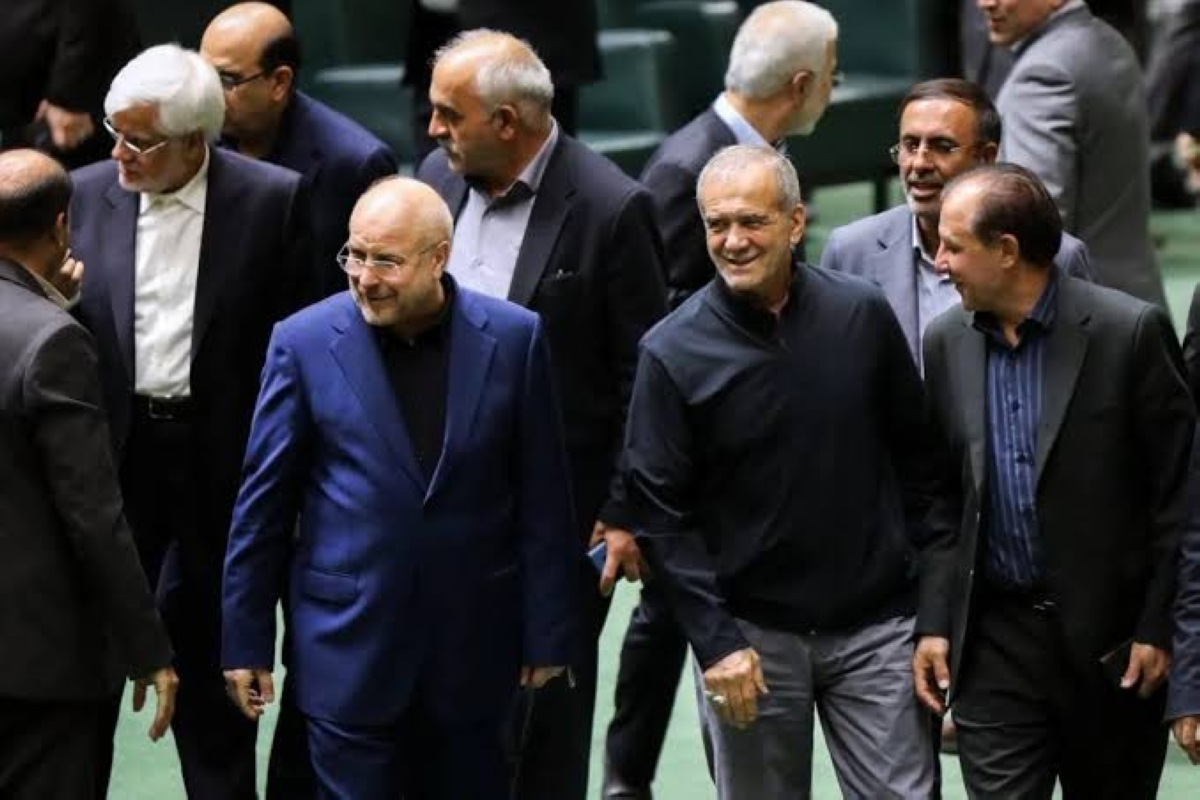
The source stated that the faction led by Iranian President Masoud Pezeshkian and Speaker of the Islamic Consultative Assembly Mohammad Bagher Qalibaf emphasized during the meeting the necessity of halting the war and escalation, even if only for a single day, and returning to the negotiating table. However, this proposal was rejected by the opposing faction, which argued that the current escalation serves Iran’s interests and that Tehran’s acceptance of a temporary de-escalation would grant the administration of US President Donald Trump an opportunity to continue its strategy of draining Iran’s capabilities before resuming military operations at a later stage.
The source added that proponents of maximum escalation argue that the Iranian economy can no longer withstand the continuation of a “no war, no peace” status under US sanctions. They believe that prolonging this situation could lead to a gradual economic collapse, alongside the erosion of defensive capabilities due to military strikes and the depletion of economic resources caused by sustained pressures. This faction maintains that escalating to the maximum level may be the only way to force the United States to accept a final and comprehensive agreement that ends the confrontation.
In contrast, the Pezeshkian group pushed to leverage the current political window to reach an agreement with the Trump administration before the US midterm elections. They consider that the US president needs foreign policy achievements to bolster his domestic position, and warned that this window may narrow if the elections yield results favorable to him.
The source noted that representatives of the Islamic Revolutionary Guard Corps (IRGC) insisted during the meeting on keeping the Strait of Hormuz closed until a comprehensive agreement is reached that puts an end to the war. Meanwhile, the pro-negotiation faction warned that continuing to close the strait would have repercussions on Iran no less severe than those affecting neighboring countries. They emphasized that using pressure on regional states via the strait has limits and could spiral out of control if prolonged.
The Pezeshkian team clarified that the strategic importance of the Strait of Hormuz stems from its role as a vital corridor benefiting all countries in the region. They warned that its continued disruption would push these states to seek alternative routes for energy exports, which could ultimately lead to a decline in the strait’s geopolitical and economic significance.
According to the source, the meeting ended without narrowing the gap between the two factions, and no final decision was taken regarding the de-escalation proposals. The source added that the meeting minutes were submitted to Supreme Leader Mojtaba Khamenei for a final decision.
