Wall Street Abandons Tech... Downside Bets Hit Record Levels
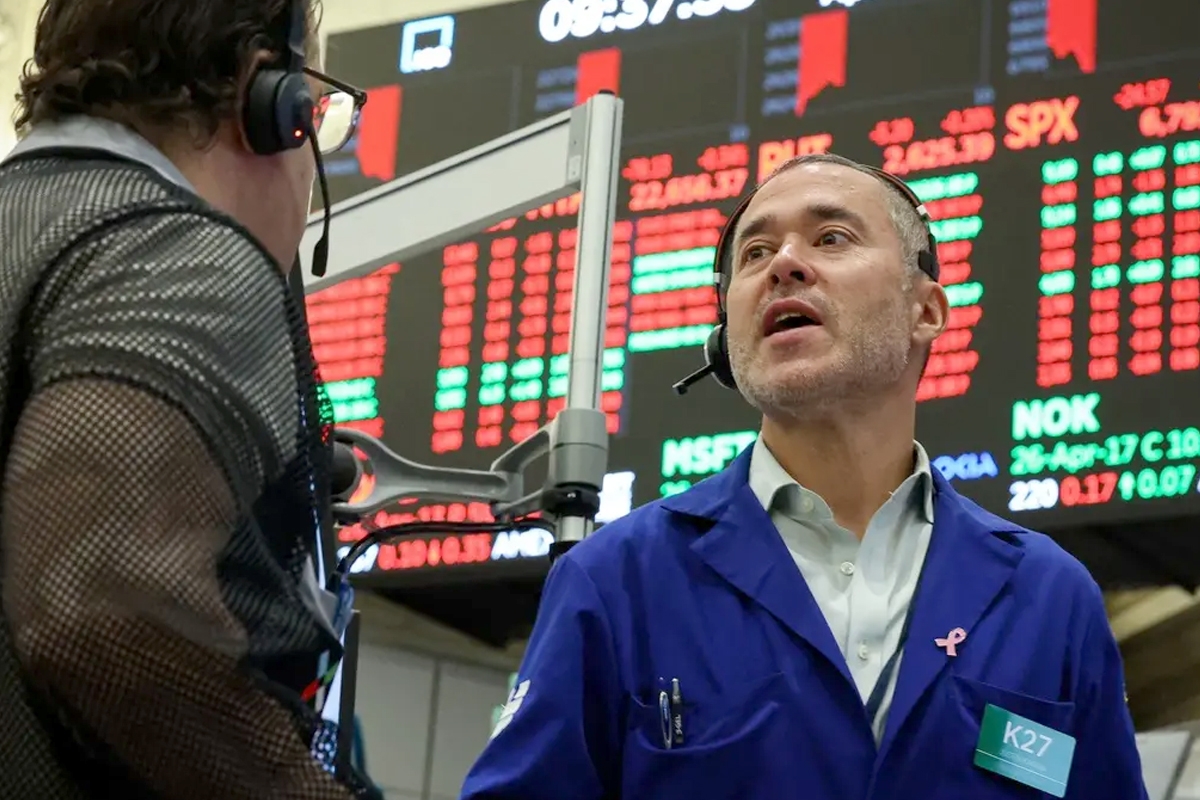
Hedge funds in the United States have reduced their exposure to U.S. technology stocks at a record pace over the past two months, according to data from Goldman Sachs.
The funds recorded net sales in the sector in six of the past eight weeks, with a cumulative decline in the market value of their positions reaching approximately 10 percent, marking the largest wave of reduced exposure to technology stocks since data collection began more than a decade ago.
This comes as bets on a decline in U.S. stocks have risen to record levels, despite strong market gains, reflecting growing concerns about the sustainability of the rally after the S&P 500 surged by about 18 percent since late March.
Short positions in the index approached 3.8 percent of total tradable shares, the highest level ever recorded according to data from S3 Partners, which dates back to 2010.
In an analytical report for the Financial Times, one of the worst statements in Wall Street history was highlighted: in the autumn of 1929, the renowned American economist Irving Fisher made one of the most ill-fated predictions in history, claiming that stock prices had reached a “permanently high plateau.” Not long after, the Great Crash struck U.S. and global markets, plunging economies into the Great Depression.
Although some researchers argue that stock valuations at the time may have accurately reflected the value of U.S. productive assets, the word “permanently” was the fatal error. For investors and millions whose lives were devastated by the crisis, it did not matter whether the markets were theoretically correct before the crash or wrong afterward.
This example is significant today because U.S. stock valuations have surpassed even the levels of September 1929. Since 1881, the U.S. market has experienced only one period where valuations rose higher than current levels: during the internet bubble between 1999 and 2000.
That peak was followed by a sharp decline in valuations, before the world experienced the global financial crisis between 2007 and 2009. Accommodative monetary policies and lax regulatory oversight following the bursting of the internet bubble helped create the conditions for that crisis.
Current warnings rely on the CAPE index, developed by Nobel laureate economist Robert Shiller, which measures market value relative to the average of companies’ inflation-adjusted earnings over the previous ten years. The index is regarded as one of the most famous long-term market valuation metrics.
Historically, the index’s average has been 17.8 points, a level associated with an annual real return of approximately 5.6 percent. However, the market has recorded only three major peaks: 32.6 points in September 1929, 44.2 points in December 1999, and 41.4 points in July 2026, placing current valuations among the most extreme in history.
