New Chinese AI Model Shakes U.S. Tech Stocks
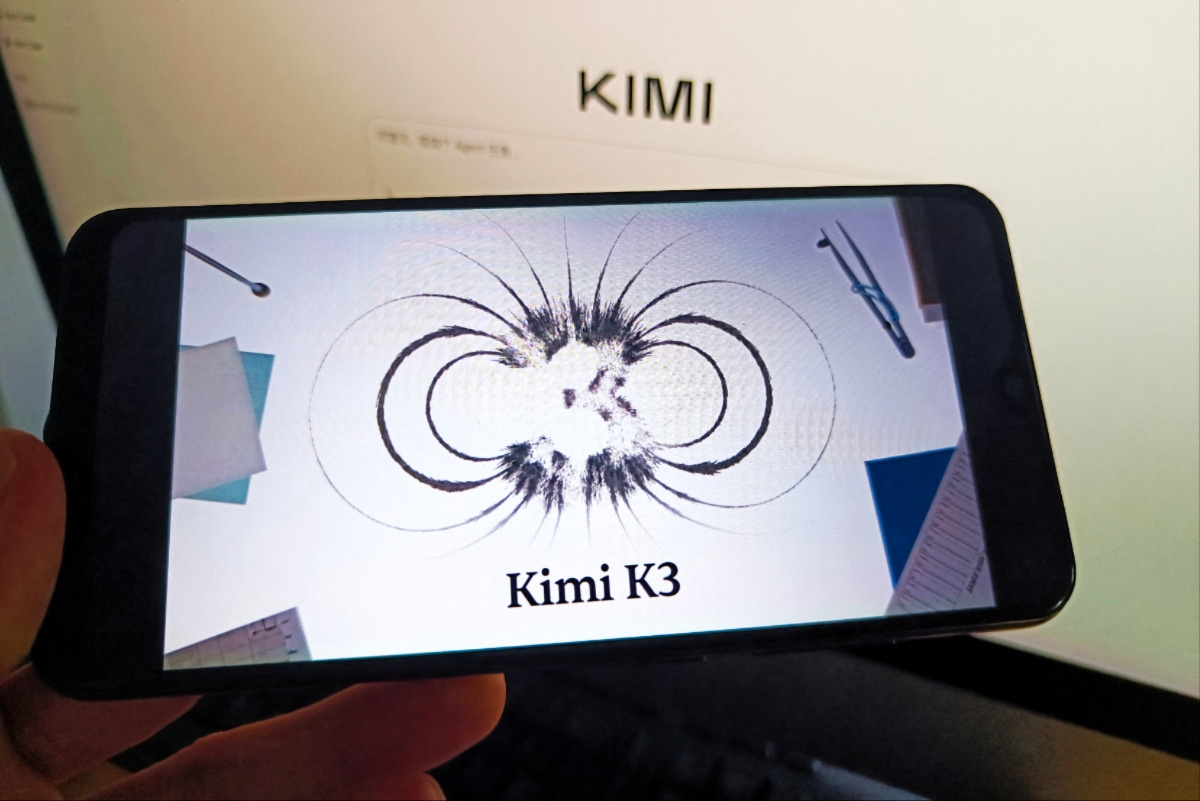
The model represents the latest milestone in the competitive race between Chinese and American companies in the field of artificial intelligence, featuring 2.8 trillion parameters, making it the largest open model availa
Translated by Qiyas from الجريدة — Original source
The model represents the latest milestone in the competitive race between Chinese and American companies in the field of artificial intelligence, featuring 2.8 trillion parameters, making it the largest open model available to date.
The unveiling of “Kimi K3” coincided with a drop of more than 12% in the Philadelphia Semiconductor Index, marking its largest weekly decline in over a year. Shares of prominent companies such as Nvidia, AMD, and Broadcom also fell, as investors questioned whether U.S. firms could maintain their leadership in AI amid the growing presence of Chinese competitors.
Moonshot plans to make the Kimi K3 model available for free download starting July 27, granting institutions and developers worldwide broad access to its capabilities.
The model stands out for its ability to outperform competitors in coding tests, as well as for offering services at lower prices than some Western models like Claude Fable and GPT-5.6, particularly in tasks involving long-text reading or processing large numbers of tokens per query.
The announcement of the Chinese model had an impact on capital markets, triggering a wave of volatility affecting chip manufacturing companies.
The effects were not limited to the U.S. market; shares of Chinese AI companies listed on the Hong Kong Stock Exchange also declined, with Zhipu and MiniMax losing significant market value following the announcement of the new model.
Observers note that the competition between U.S. and Chinese AI companies is entering a new phase focused on reducing prices and improving model efficiency.
Investors pointed out that the cost of using U.S. models such as Anthropic or OpenAI can reach tens of dollars per million tokens, while Chinese models offer their services for less than one dollar for the same volume.
Despite the continued U.S. lead in certain technical indicators and standards, the free availability of the Kimi K3 model could change the competitive dynamics in the sector. However, some analysts believe that major Western institutions may still prefer U.S. models due to data security concerns.
