UAE announces discovery of Late Bronze Age cemetery in Al Ain
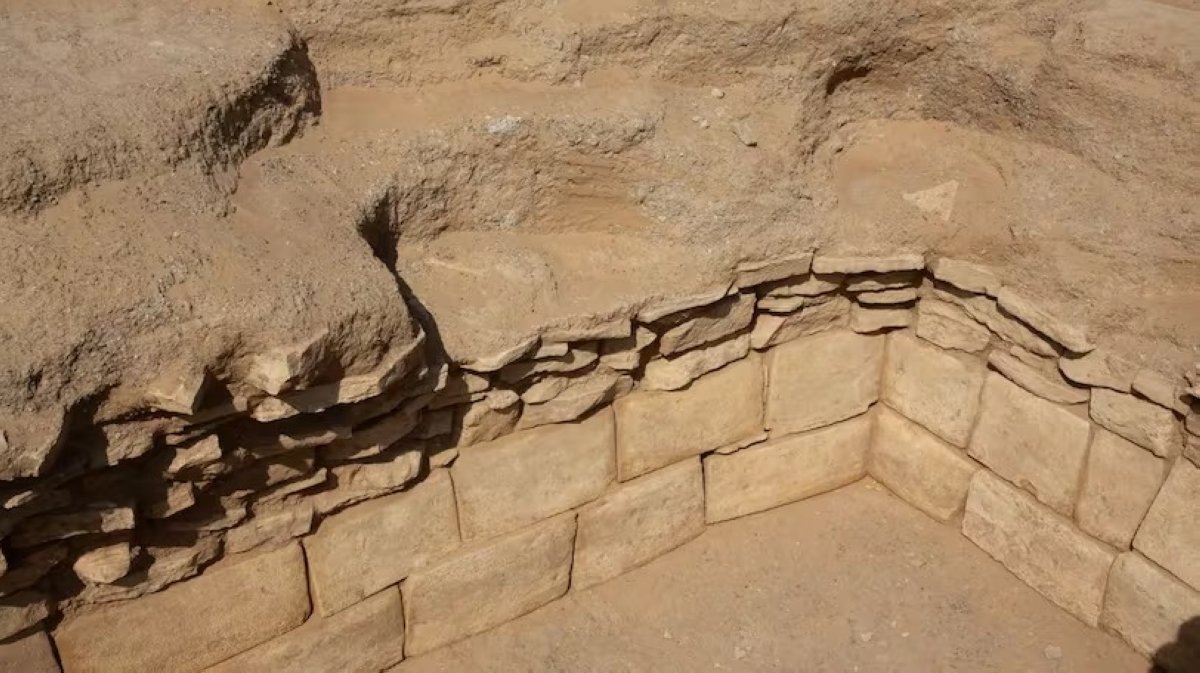
The Department of Culture and Tourism – Abu Dhabi in the United Arab Emirates announced today (Thursday) the discovery of a cemetery dating back to the Wadi Suq period and the Late Bronze Age at the Qattara archaeological site in the city of Al Ain.
In a statement, the department said the cemetery, dated to the period between 2000 and 1300 BC, represents a new archaeological discovery that enhances the understanding of the social and cultural transformations the region underwent during prehistoric times.
It clarified that the discovery offers new insights into the continuity of cultural practices among ancient societies in the Arabian Peninsula and their ability to adapt and innovate, while also enhancing the historical value of the Al Ain region, which is listed on the UNESCO World Heritage List.
The Qattara site is one of the most prominent archaeological sites in the UAE, having witnessed a series of discoveries over the past decades dating to various historical periods, including collective tombs from the Wadi Suq period and tower tombs from later eras.
The new discovery is distinguished by its good state of preservation and unique architectural style, having been constructed using stone blocks repurposed from older funerary structures dating to the Umm an-Nar civilization, which flourished between 2700 and 2000 BC.
The department quoted its chairman, Mohamed Khalifa Al Mubarak, saying the discovery represents “a unique window into one of the earliest stages of the UAE’s history,” contributing to a deeper understanding of the societies that lived in the region.
Excavation works revealed an underground tomb measuring approximately 11 meters in length and 2.5 meters in width, used to bury hundreds of individuals over a period of at least a thousand years, starting from the Wadi Suq period until the Iron Age.
Archaeologists believe that the east-facing entrance design allowed sunlight to enter the tomb during funerary rituals, symbolizing concepts of renewal and the continuity of life. A stone door weighing more than 200 kilograms, repurposed from an older monument, was also found.
Excavations also yielded a collection of funerary artifacts, including pottery vessels, weapons, and personal jewelry, providing new evidence of social practices and prevailing beliefs during that era.
The department explained that human remains and archaeological artifacts are currently undergoing specialized studies by archaeologists and bone experts using the latest scientific techniques, including stable isotope analysis and ancient DNA testing, with the aim of exploring lifestyle patterns, health, mobility, and trade networks among ancient societies.
It affirmed that this discovery reinforces efforts to protect and preserve the cultural heritage of the Emirate of Abu Dhabi, and solidifies the status of the Al Ain region as an ancient civilizational center that contributed to shaping the history of the area over thousands of years.
The discovered artifacts will be displayed in Abu Dhabi museums, allowing the public to learn about this important stage in the UAE’s history and explore its civilizational and human dimensions, according to the department.
