Al-Anzi proposes a comprehensive and proactive traffic study for the Jaber Al-Ahmad Residential City
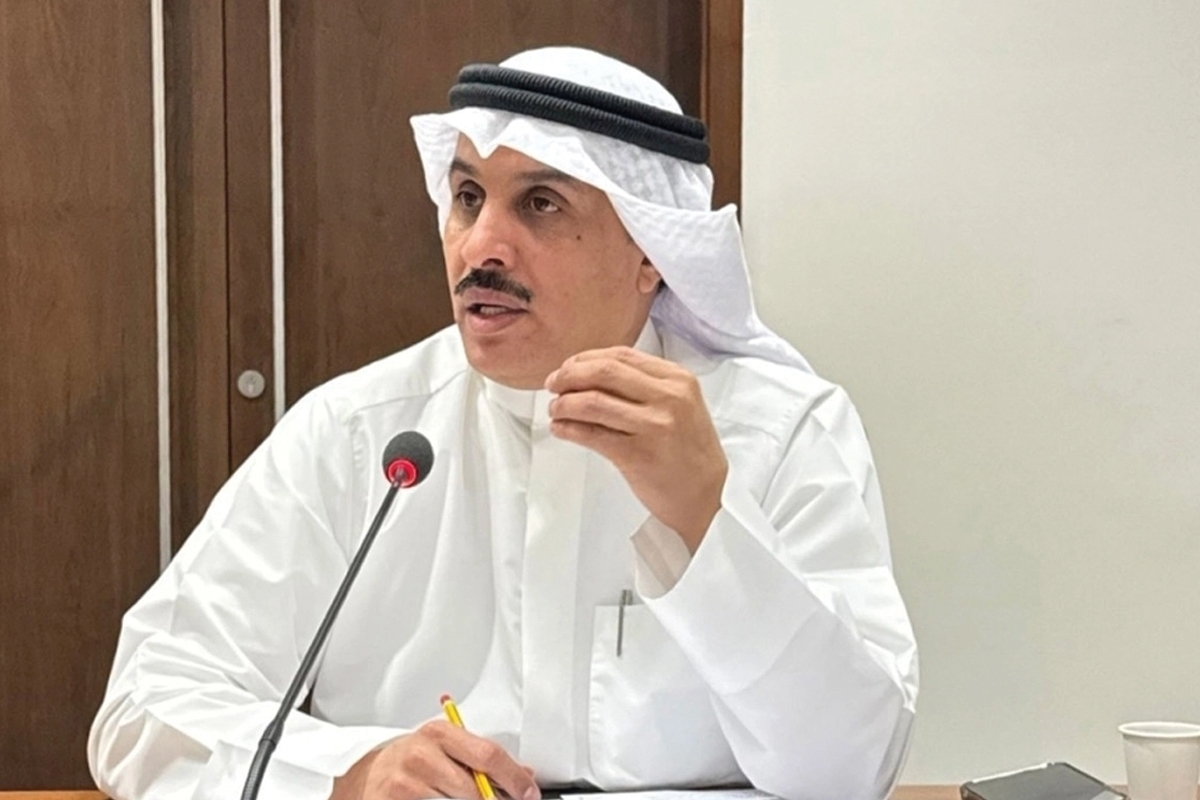
Al-Anzi, in his proposal submitted to the Council President, Abdullah Al-Mohairi, called for assigning the Executive Body of the Kuwait Municipality, in coordination with the Ministry of Interior (represented by the Gene
Translated by Qiyas from الجريدة — Original source
Al-Anzi, in his proposal submitted to the Council President, Abdullah Al-Mohairi, called for assigning the Executive Body of the Kuwait Municipality, in coordination with the Ministry of Interior (represented by the General Directorate of Traffic), the Ministry of Public Works, the Public Authority for Housing Welfare, and relevant entities, to prepare a study that must encompass all current and future projects.
The study should also include an assessment of the current capacity of the city’s entry and exit points, as well as the internal road network, and evaluate their ability to accommodate future traffic volumes. It should propose the creation of new entry and exit points or the development of existing ones, improve connectivity with the main road network, enhance intersections and internal roads, and provide necessary engineering solutions to address anticipated bottlenecks. Furthermore, it should develop a future traffic model that illustrates expected traffic volumes in the coming years, linking them with development plans and investment projects.
Al-Anzi noted that the rapid urban and investment growth witnessed in Jabir Al-Ahmad City, coupled with the presence of major commercial, health, sports, educational, and tourism projects that will attract large numbers of vehicles daily, necessitates studying the cumulative traffic impact of all projects, rather than relying solely on separate studies for each individual project.
He added that this proposal does not aim to re-evaluate projects that have already been approved, but rather to establish a comprehensive traffic vision for Jabir Al-Ahmad City as an integrated urban system. This approach would ensure that all current and future projects align with infrastructure capacity, maintain smooth traffic flow, enhance public safety and quality of life, and spare the state from future costs associated with traffic interventions, which tend to be more difficult and expensive to implement after sites are fully developed.
