Gold Between Interest Rate Pressures and Geopolitical Tensions
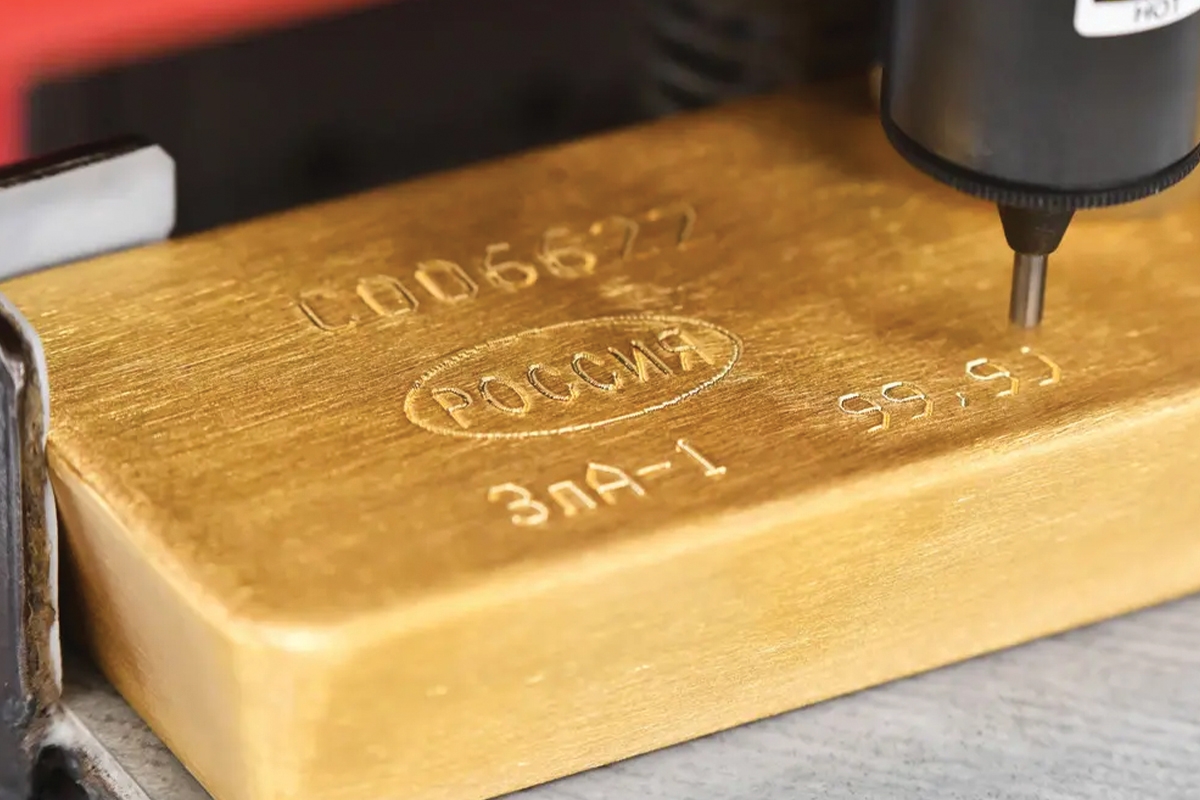
Gold prices ended last week’s trading at $4,120 per ounce, recording a weekly loss of approximately 0.5 percent, amid pressure from a rising US dollar and Treasury yields, as well as ongoing geopolitical tensions in the
Translated by Qiyas from الجريدة — Original source
Gold prices ended last week’s trading at $4,120 per ounce, recording a weekly loss of approximately 0.5 percent, amid pressure from a rising US dollar and Treasury yields, as well as ongoing geopolitical tensions in the Middle East.
According to a report issued today by Kuwait Mint Company, the precious metal fell during Friday’s session to $4,103 per ounce before recovering some losses at the close, following a session marked by sharp volatility.
The report added that gold’s movements came after US President Donald Trump announced his country’s agreement to resume talks with Iran, while simultaneously confirming the end of a ceasefire agreement between the two sides. This development kept markets on edge, fearing an escalation of tensions in the region.
It noted that yields on 10-year US Treasury bonds rose amid growing concerns that rising energy prices could intensify inflationary pressures, thereby reinforcing expectations of continued tight monetary policy in the near future.
The report mentioned that the minutes of the latest Federal Open Market Committee (FOMC) meeting showed that policymakers remain concerned about inflation, with some still open to raising interest rates if price pressures persist. Meanwhile, a decline in initial jobless claims underscored the continued resilience of the US labor market.
It pointed out that oil prices achieved weekly gains supported by escalating geopolitical tensions, which heightened fears of global inflation. This concern was further amplified after the International Energy Agency warned that continued escalation could disrupt its forecast of an oil market surplus next year if supplies are affected.
Regarding actual demand, the report stated that gold traded at noticeable discounts in the Indian market, signaling weak demand, while the Chinese market remained stable, supported by continued purchases by the People’s Bank of China, which recorded its largest monthly increase in gold reserves in over two and a half years last June.
On the technical front, the report clarified that gold remains in a downtrend, forming lower highs and lower lows and trading below its 200-day moving average, keeping negative pressure intact in the short term.
It indicated that the Relative Strength Index (RSI) reflects continued weak momentum, meaning any rallies could face fresh selling pressure unless gold manages to break through key resistance levels.
The report identified the first support level at $4,021 per ounce, followed by $3,941 and then $3,886. Meanwhile, the $4,200 level represents the first major resistance, and a breach of this level could pave the way toward $4,300 before facing the main resistance at $4,493.
Looking ahead to the current week, the report said investors’ attention is focused on the release of the US Consumer Price Index (CPI) data, considered the key factor in shaping monetary policy expectations, alongside testimony from the Federal Reserve Chair before Congress and the start of the earnings season for major US companies.
Locally, the price of 24-karat gold per gram reached approximately 0.41350 Kuwaiti Dinars (about $134), while 22-karat gold per gram stood at around 0.37900 KD (approximately $123). Meanwhile, the price of a kilogram of silver reached about 0.701 KD (approximately $2,278).
Mohamed Salah, Head of Operations at “Sabaik” (Kuwait Mint Company), stated that gold’s movements in the current phase are influenced by two main factors: US monetary policy and geopolitical tensions, noting that these two factors are closely interrelated.
Salah added in an interview with “Al Arabiya Business” that ongoing tensions and wars have been among the factors prompting the US Federal Reserve to adopt a more hawkish stance. He explained that in previous periods, he had expected gold to trade in a sideways-to-downward range, but the metal’s performance over the past week showed greater resilience than anticipated.
He clarified that this resilience may be supported by continued central bank gold purchases, which do not provide a strong upward impetus to prices so much as offer support that prevents sharp declines or major price crashes.
He noted that renewed military strikes and the collapse of the ceasefire could exert new pressures on gold, driven by rising oil prices and a resurgence of inflation-related concerns, which might push US monetary policymakers to adopt an even more hawkish stance.
Regarding market pricing of a potential 25-basis-point US interest rate hike in September, Salah said he does not believe this move is fully priced into current gold levels, which are hovering around $4,100 per ounce.
He pointed out that weak US labor market data released last week helped support gold and prevent a decline, while also bolstering market bets on a slowdown in the pace of monetary tightening as the year draws to a close.
He added that the fair value for gold, assuming a 25-basis-point rate hike is priced in, could be near $3,900 per ounce, excluding the possibility of sharp crashes that would push prices down to $3,500.
On gold investment strategy, Salah emphasized that individual investors should not go fully invested in the market at current levels. Instead, he recommended building positions gradually and allocating liquidity across multiple price levels.
For example, an investor planning to invest $1,000 in gold could start with a limited portion of the amount and hold the remainder to take advantage of any potential pullbacks.
He noted that $4,270 represents a key resistance level for gold, explaining that a breakout above this level could pave the way for prices to rise toward $4,500 per ounce. Meanwhile, $4,000 forms a crucial support level, and a break below it could push prices toward $3,890 in the near term.
