Africa has proven its worth by increasing its number of seats
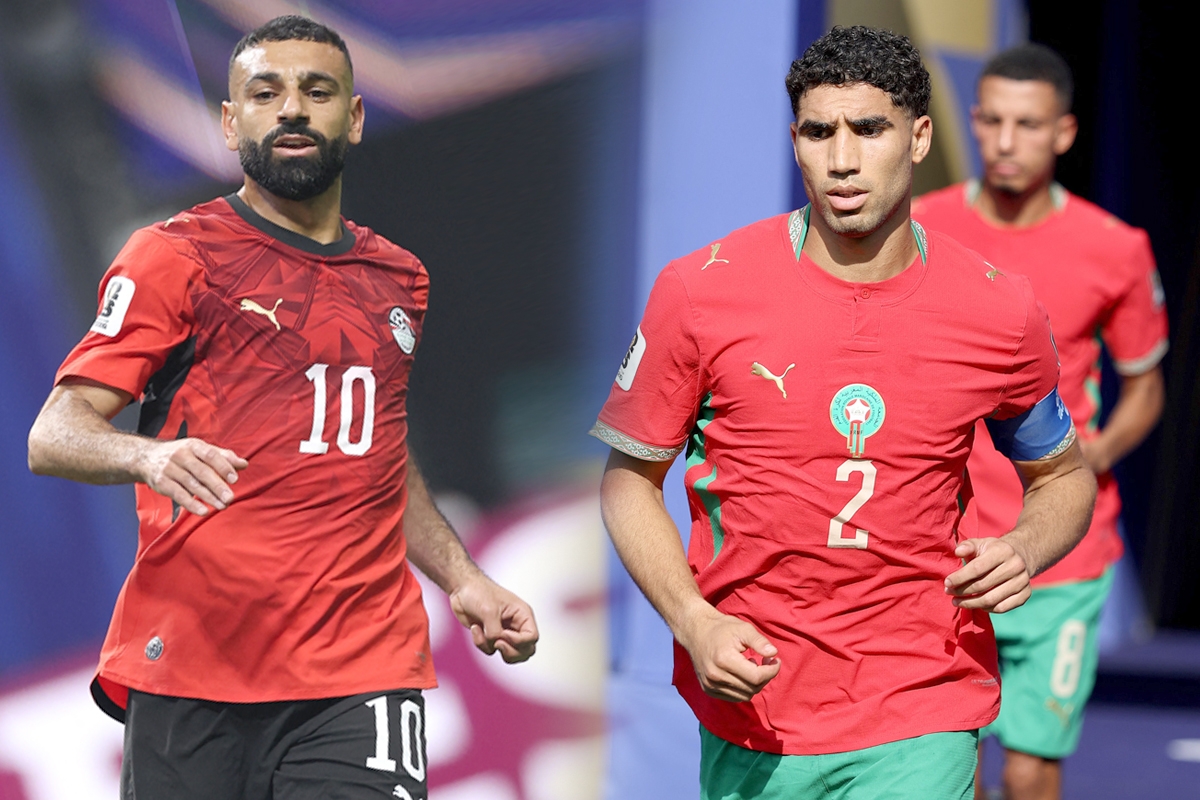
When Italy, the four-time World Cup champions, failed to qualify for the 2026 World Cup, then-coach Gennaro Gattuso expressed regret over the large number of slots allocated to Africa for the global event.
The 48-year-old coach stated, “Africa deserves fewer World Cup slots,” pointing to the increase in automatic qualification spots for the continent from five to nine in the expanded 48-team tournament.
The number later rose to ten after the Democratic Republic of the Congo won a continental playoff match, returning to the World Cup after a 52-year absence.
Was Gattuso, the former Italian national team midfielder who won the 2006 World Cup, correct? Was Africa overrepresented in the United States, Canada, and Mexico?
Except for Tunisia’s disastrous performance, which led to the dismissal of coach Sabri Lamouchi after its first group stage match before it lost all three of its games, African representatives proved their worth, justifying their participation.
The other nine teams reached the knockout stages; five of them finished second in their groups, while the other four were among the top eight teams that finished third.
This represents a success rate of 90%, the highest among FIFA confederations, followed by South America (83.33%), then Europe (81.25%), and finally Asia (22.22%).
Europe dominated the knockout stages with six teams reaching the quarter-finals, while Africa and South America each had one team. African teams were less fortunate in the round of 32, where seven teams were eliminated.
A concerning issue was conceding goals in the final minutes, with Lionel Messi of Argentina, England’s Harry Kane, and Norway’s Erling Haaland among the notable beneficiaries of Argentina’s lethargy.
Egypt led Argentina 2-0 after a controversial goal was disallowed with 12 minutes remaining in the match. However, a dramatic turnaround led to the defending champions winning 3-2 thanks to a decisive header by Enzo Fernández.
While Morocco advanced the furthest, Cape Verde, despite being eliminated in the round of 32, captivated millions of viewers, even though they did not win any of their four matches.
This small archipelago off the coast of West Africa, with a population of just over half a million, challenged Spain in their opening match, forcing the European champions to a goalless draw.
Cape Verde drew twice before losing 2-3 to Argentina in the round of 32. The second goal, scored by Sidney Ramos with a beautiful curling shot, is considered one of the standout goals of the tournament.
