$47 Billion Spent on Jewelry in the First Quarter
Andrew Naylor, Head of Middle East and Public Policy at the World Gold Council, said the impact of high gold prices on jewelry sales volumes was evident, as global jewelry demand fell by 23% to 300 tons in the...
Translated by Qiyas from الجريدة — Original source
Andrew Naylor, Head of Middle East Affairs and Public Policy at the World Gold Council, stated that the impact of high gold prices on jewelry sales volumes was evident, with global jewelry demand falling by 23% to 300 tons in the first quarter of 2026.
Naylor added that the decline affected several key markets, with demand dropping by 32% in China, 19% in India, and 23% in the Middle East, noting that these figures reflect the sensitivity of consumption to sharp increases in gold prices.
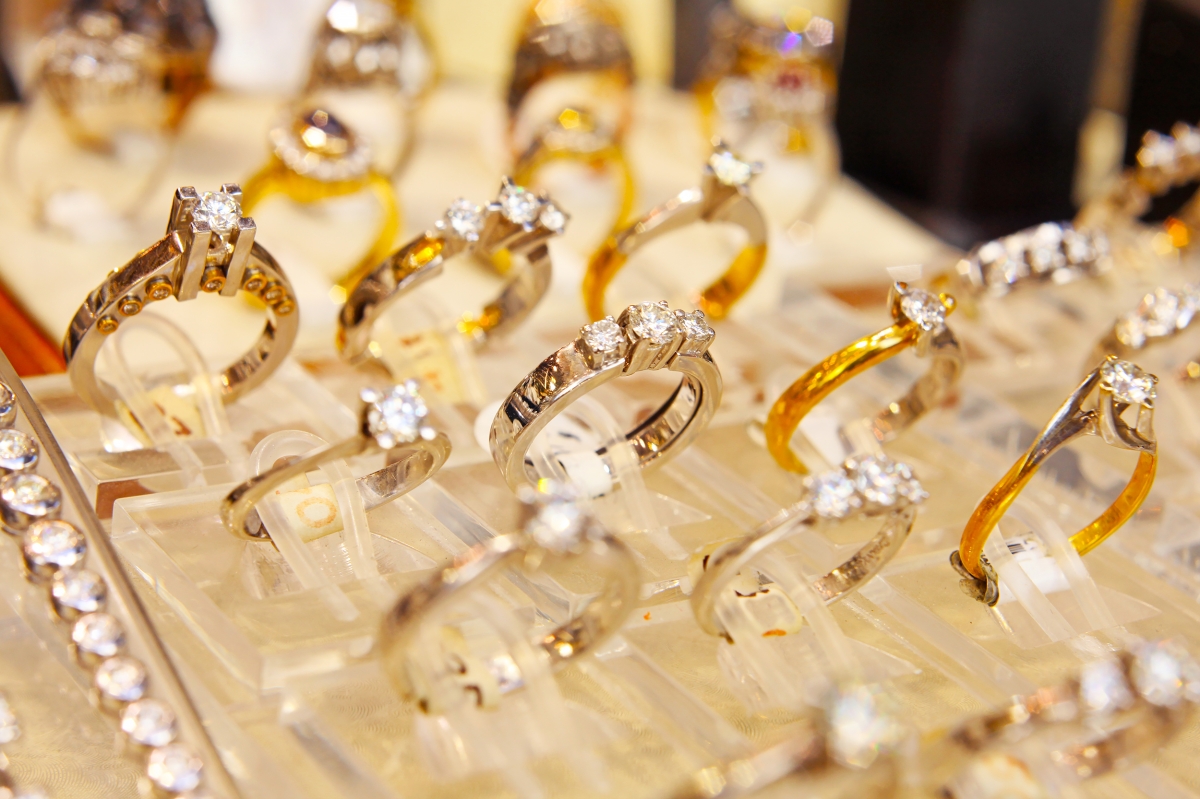
He pointed out that despite this, spending on jewelry reached a record high of $47 billion in the first quarter, the highest level ever. This indicates that consumers have not abandoned gold but have become more selective in their purchases.
He noted that part of the demand in markets such as China and India shifted toward gold bars and coins, as gold serves a dual role as both jewelry and an investment tool.
Regarding price movements, Naylor said the recent decline in gold prices after reaching a historic high of $5,405 per ounce in January 2026 is more akin to a natural correction following a strong upward surge, rather than an indicator of a structural reversal in the market trend.
He added that previous rallies were driven by large investment inflows, escalating geopolitical tensions, persistent inflationary pressures, and strong demand from central banks, emphasizing that these factors remain strongly in place.
He noted that increased volatility levels were expected given global uncertainty, clarifying that the recent price movement appears to be a limited correction within a market supported by strong fundamentals, not the start of a new downtrend.
On central bank gold demand, Naylor said the World Gold Council’s annual survey of central bank gold reserves indicates continued strong momentum in official gold demand. Ninety-nine percent of reserve managers reported expecting an increase in global central bank gold holdings over the next twelve months.
He added that 45% of reserve managers, the highest level recorded, stated their institutions are planning to increase their gold holdings next year, while 84% of respondents believe gold will account for a larger share of total reserves within five years, compared to 76% last year.
He explained that gold has recently surpassed U.S. government bonds to become the most important reserve asset for many central banks, a shift reflecting growing confidence in its role as a long-term asset.
He indicated that these indicators reflect sustained strong central bank demand during the second half of the year.
He noted that first-quarter data confirms that gold’s cultural and financial significance remains firmly entrenched, and that higher prices typically affect sales volumes rather than gold’s status among consumers.
According to the World Gold Council’s mid-2026 Gold Outlook report, gold enters a pivotal phase during the second half of the year, amid ongoing uncertainty related to geopolitical developments, global interest rate trajectories, and investor sentiment.
The report noted that rising geopolitical risks, particularly tensions between the United States and Iran, were the most influential factor in gold’s performance in the first half of the year, alongside investor trends and profit-taking. Meanwhile, the opportunity cost was affected by markets reassessing interest rate and U.S. dollar expectations.
He added that the bulk of gold price movements occurred during Asian and U.S. trading sessions, reflecting the growing role of Asian investors in setting global prices for the precious metal.
The report suggested that, if current conditions persist, gold could trade within a 5% range above or below the $4,100-per-ounce level through the end of the year, noting that a resumption of gold’s upward trajectory could be linked to deteriorating geopolitical or economic conditions, or shifts in interest rate expectations.
It further indicated that surpassing the $4,500-per-ounce level would likely require strong signals of a slowdown in the global economy, while a stronger U.S. dollar, higher-than-expected interest rate hikes, and improved risk appetite represent the most significant potential headwinds for gold prices.